


Introduction to Home Office Translators
A home office translator plays a vital role in bridging communication gaps for individuals and organizations dealing with immigration and legal documentation. These professionals are responsible for translating documents that are often required by governmental bodies, such as the UK Home Office, ensuring that all translations meet specific legal standards. With the increasing globalization and migration trends, the demand for certified translators has surged, making their role more significant than ever.
What is a Home Office Translator?
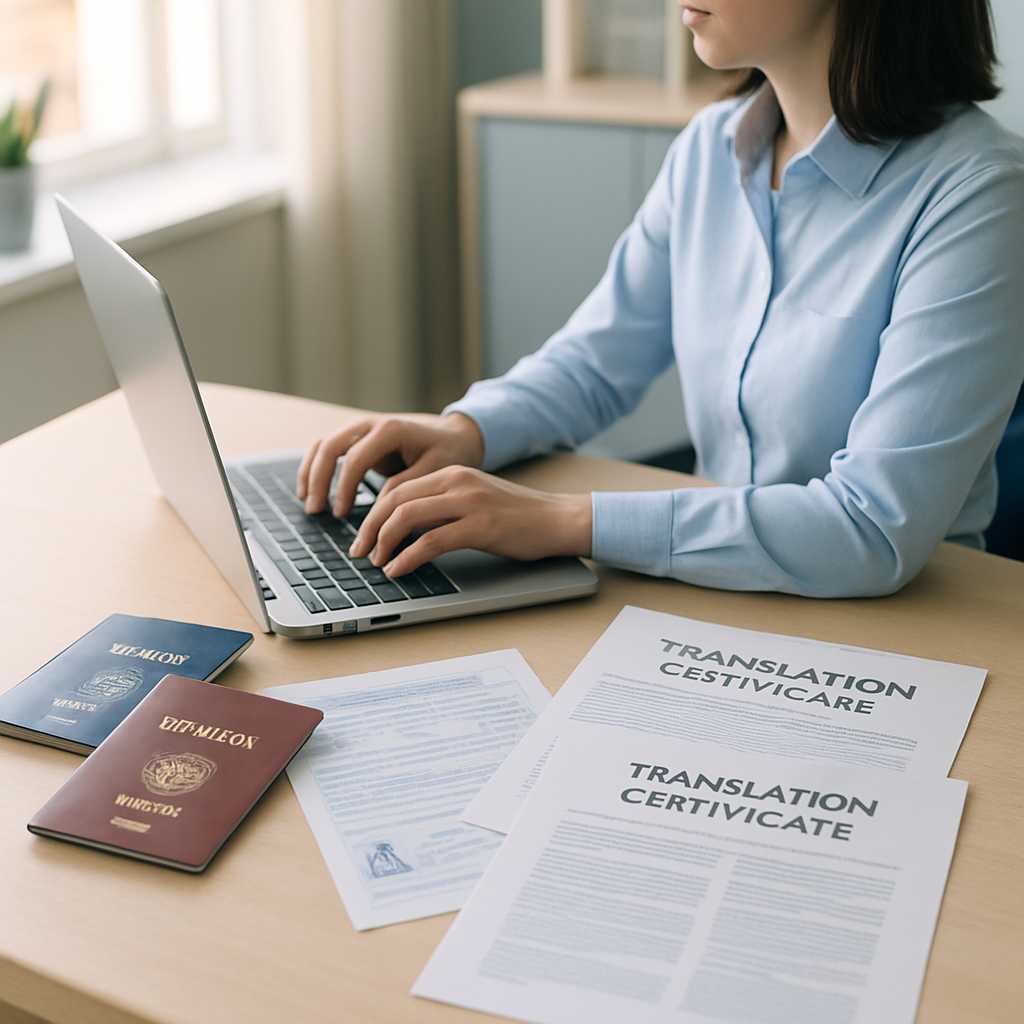
A home office translator is a certified professional who specializes in translating documents for various purposes, particularly those related to immigration, legal proceedings, and official applications. Their work often involves translating vital documents such as birth certificates, marriage licenses, academic transcripts, and legal contracts. These translations must be accurate and adhere to the standards set by the Home Office to be accepted for visa applications, citizenship processes, and other legal matters.
Key Responsibilities
- Document Translation: Translating official documents from one language to another while maintaining the original meaning and context.
- Certification: Providing certified translations that include a signed statement affirming the accuracy of the translation.
- Legal Compliance: Ensuring that translations comply with the specific requirements of the Home Office and other legal entities.
- Confidentiality: Maintaining the confidentiality of sensitive information contained within the documents.
Why is Certification Important?
Certification is a crucial aspect of the translation process for home office translators. A certified translation is often required for legal documents submitted to the Home Office, as it assures the receiving party of the translation’s accuracy and reliability. Without certification, there is a risk that the translated documents may be rejected, leading to delays in immigration processes or legal proceedings.
Types of Documents Commonly Translated
Home office translators typically handle a variety of documents, including:
- Birth Certificates: Essential for proving identity and familial relationships in immigration applications.
- Marriage Certificates: Often required for spousal visa applications.
- Academic Transcripts: Necessary for educational assessments and visa applications.
- Legal Contracts: Important for business dealings and legal compliance.
How to Choose a Home Office Translator
Selecting the right home office translator is crucial for ensuring that your documents are accurately translated and accepted by the relevant authorities. Here are some factors to consider:
Qualifications and Experience
Look for translators who are certified and have experience in translating documents for the Home Office. Their familiarity with the specific requirements can significantly impact the success of your application.
Specialization
Choose a translator who specializes in the type of documents you need translated. For instance, if you require a birth certificate translation, ensure that the translator has experience in that area.
Reviews and Testimonials
Check reviews and testimonials from previous clients to gauge the translator’s reliability and quality of work. Positive feedback can provide peace of mind when making your selection.
Common Challenges Faced by Home Office Translators
Home office translators often encounter challenges that can complicate the translation process:
Language Nuances
Different languages have unique idioms and expressions that may not have direct translations. A skilled translator must navigate these nuances to provide an accurate translation.
Legal Terminology
Legal documents often contain complex terminology that requires a deep understanding of both the source and target languages. Translators must be well-versed in legal jargon to ensure accuracy.
Document Formatting
Maintaining the original formatting of documents while translating can be challenging. A professional translator will ensure that the final product mirrors the original document’s layout.
FAQs about Home Office Translators
1. What qualifications should a home office translator have?
A certified home office translator should have relevant qualifications, such as a degree in translation or linguistics, and certification from a recognized body.
2. How long does it take to translate documents for the Home Office?
The time required for translation varies depending on the document’s complexity and length, but most translations can be completed within a few days.
3. Are certified translations more expensive?
Yes, certified translations typically cost more than standard translations due to the additional verification and certification process involved.
4. Can I translate my own documents for the Home Office?
No, the Home Office requires translations to be completed by certified professionals to ensure accuracy and compliance with legal standards.
5. What happens if my documents are not accepted?
If your documents are not accepted, it can lead to delays in your application process. It’s crucial to ensure that all translations are accurate and certified.
Conclusion
In summary, a home office translator plays an essential role in facilitating communication and ensuring that vital documents are accurately translated for legal and immigration purposes. By understanding their responsibilities, the importance of certification, and how to choose the right translator, individuals can navigate the complexities of document translation more effectively. For those needing certified translations, it’s advisable to seek out professionals who specialize in home office requirements to avoid potential pitfalls.