

Understanding UK Visa Translation
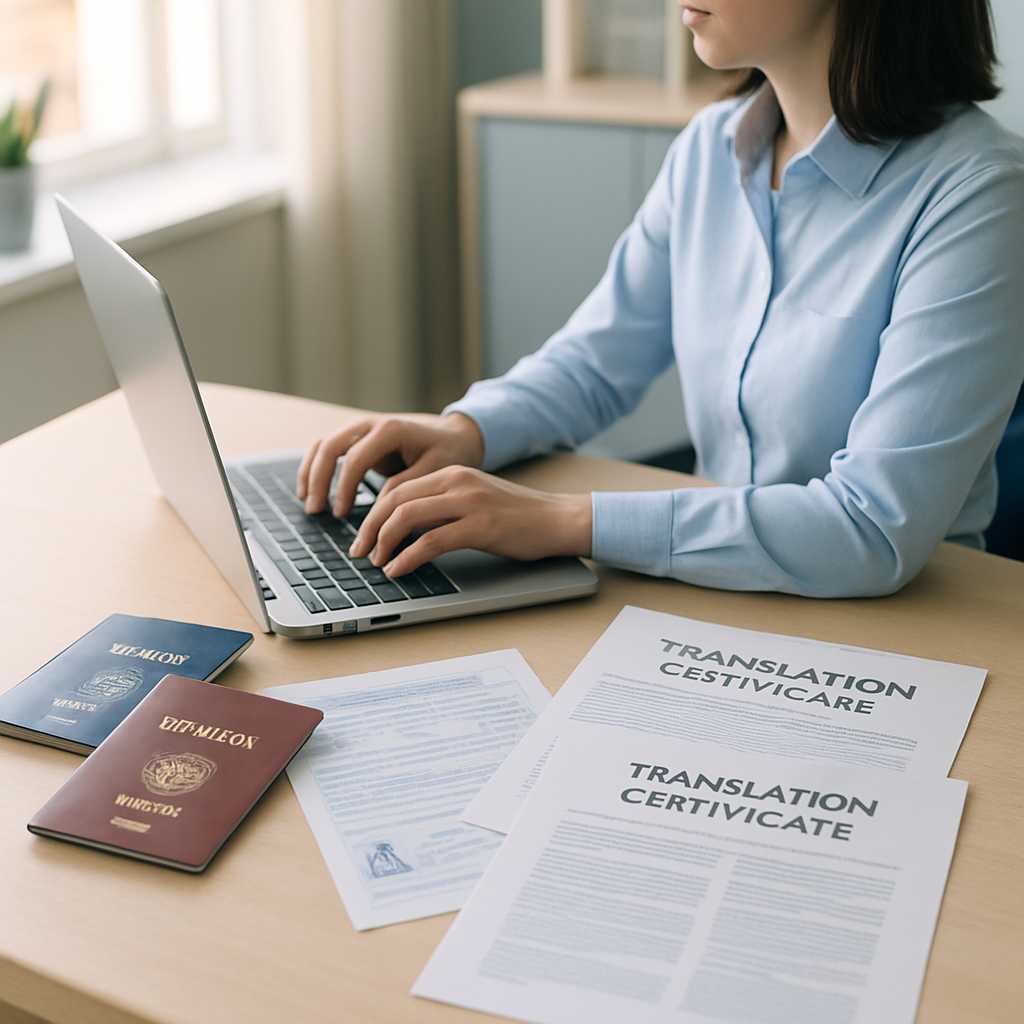
When applying for a UK visa, one of the critical requirements is the translation of documents that are not in English. This process, known as UK visa translation, ensures that all submitted documents are comprehensible to the authorities reviewing your application. The importance of accurate translation cannot be overstated, as errors or omissions can lead to delays or even rejections of your visa application.
In this comprehensive guide, we will delve into the rules, formats, and acceptance criteria for UK visa translations. Whether you are submitting a birth certificate, marriage certificate, or any other official document, understanding these elements will help you navigate the visa application process smoothly.
Why is Certified Translation Necessary for UK Visas?
Certified translation is a requirement for many official documents submitted to the UK Home Office. This is because the Home Office needs to ensure that the translations are accurate and reliable. A certified translation provides a guarantee that the translator is qualified and that the translation is a true and accurate representation of the original document.
Here are some key reasons why certified translation is essential:
- Accuracy: Certified translations are performed by professional translators who are fluent in both the source and target languages, ensuring that the meaning is preserved.
- Acceptance: The Home Office and other governmental bodies require certified translations to accept documents as part of your visa application.
- Legal Compliance: Many legal documents must be translated by certified professionals to comply with UK laws and regulations.
Documents That Typically Require Translation for a UK Visa
When applying for a UK visa, various documents may need to be translated. Here are some common examples:
- Birth Certificates: Essential for proving identity and familial relationships.
- Marriage Certificates: Required for spouse visa applications.
- Academic Transcripts: Necessary for student visa applications.
- Employment Letters: Important for work visa applications.
Each of these documents must be translated accurately to avoid complications in the visa application process.
Format Requirements for UK Visa Translations
The format of your translated documents is just as important as the content. The Home Office has specific requirements regarding how translations should be presented:
- Document Layout: Translations should mirror the original document’s layout, including headings, sections, and any official seals or stamps.
- Language: All translations must be in English, with the original document included as a reference.
- Certification Statement: Each translation must include a statement from the translator or translation company confirming the accuracy of the translation and their qualifications.
Choosing the Right Translation Service
Not all translation services are created equal. When selecting a provider for your UK visa translation, consider the following:
- Experience: Look for a service that specializes in immigration and visa translations.
- Qualifications: Ensure that the translators are certified and have relevant qualifications.
- Reviews and Testimonials: Check for positive feedback from previous clients to gauge reliability and quality.
Choosing the right translation service can make a significant difference in the success of your visa application.
Common Pitfalls to Avoid in UK Visa Translation
While preparing your documents for translation, be aware of common pitfalls that can lead to issues:
- Using Non-Certified Translators: Avoid using friends or family members who are not certified, as this can lead to rejections.
- Ignoring Formatting Requirements: Ensure that the translated document adheres to the required format to avoid complications.
- Delaying Translation: Start the translation process early to allow time for any revisions or corrections.
FAQs About UK Visa Translation
1. What is UK visa translation?
UK visa translation refers to the process of translating documents required for a visa application into English, ensuring they meet the Home Office’s standards.
2. Do I need a certified translation for my UK visa?
Yes, certified translations are typically required for documents submitted to the UK Home Office to ensure accuracy and reliability.
3. What documents usually need translation for a UK visa?
Common documents include birth certificates, marriage certificates, academic transcripts, and employment letters.
4. How should I format my translated documents?
Translated documents should mirror the original layout, include a certification statement, and be in English.
5. Can I use a non-certified translator for my visa application?
No, using a non-certified translator can lead to rejections of your visa application.
6. How can I choose the best translation service for my needs?
Look for services with experience in immigration translations, certified translators, and positive client reviews.
Conclusion
Understanding the rules, format, and acceptance criteria for UK visa translation is crucial for a successful visa application. By ensuring that your documents are accurately translated and certified, you can avoid unnecessary delays and complications. If you need assistance with your UK visa translation, consider reaching out to a professional translation service that specializes in immigration documents.