

Understanding UK Visa Translation Requirements
When applying for a UK visa, one of the critical components is ensuring that all necessary documents are accurately translated. The UK visa translation requirements are set forth by the UK Visas and Immigration (UKVI) to ensure that non-English documents are comprehensible and meet specific standards. This article aims to provide a comprehensive overview of these requirements, including what documents need translation, the standards for certified translations, and how to choose the right translation service.
What Documents Require Translation for a UK Visa?
Not all documents submitted with a UK visa application need to be translated. However, the following documents typically require translation:
- Birth Certificates: Essential for proving identity and familial relationships.
- Marriage Certificates: Required for spouse visa applications.
- Academic Qualifications: Transcripts and diplomas must be translated to verify educational credentials.
- Financial Documents: Bank statements and pay slips may need translation to demonstrate financial stability.
- Police Clearance Certificates: Important for certain visa categories to prove good character.
UKVI Translation Rules: What You Need to Know
The UKVI has specific rules regarding translations that must be adhered to for a successful visa application. These include:
1. Certified Translations
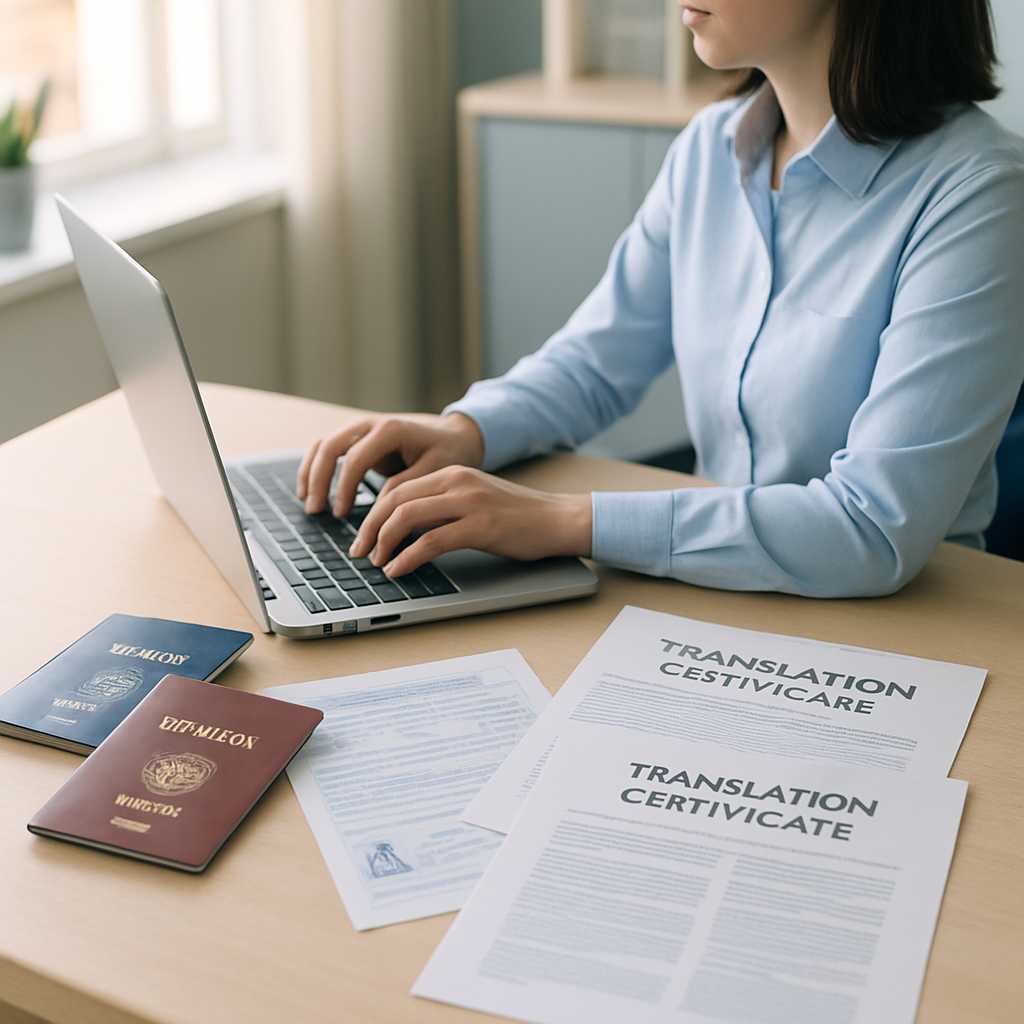
All translations must be certified, meaning they are accompanied by a signed statement from the translator or translation company confirming the accuracy of the translation. This certification is crucial for the acceptance of documents.
2. Professional Translators
Translations should be performed by professional translators who are fluent in both the source and target languages. Ideally, they should have experience in translating legal or immigration documents.
3. Accurate and Complete Translations
Every part of the document must be translated, including any stamps, signatures, or notes. Incomplete translations can lead to delays or rejections of visa applications.
4. Language Requirements
Translations must be in English. If the original document is in a language that uses a different script (e.g., Arabic, Chinese), it must be transliterated into the Latin alphabet as well.
Choosing the Right Translation Service
Selecting a reliable translation service is vital to ensure compliance with UK visa translation requirements. Here are some tips:
1. Look for Accreditation
Choose a translation service that is accredited by recognized bodies such as the Association of Translation Companies (ATC) or the Institute of Translation and Interpreting (ITI).
2. Check Reviews and Testimonials
Research the service’s reputation by reading reviews and testimonials from previous clients. This can provide insight into their reliability and quality of work.
3. Request Samples
Ask for samples of previous translations to assess the quality and accuracy of their work.
4. Understand Pricing Structures
Get a clear understanding of the pricing structure. Some services may charge per word, while others may have flat fees. Ensure there are no hidden costs.
Common Mistakes to Avoid
When preparing your documents for translation, be aware of common pitfalls:
- Using Non-Certified Translators: Avoid using friends or family members who are not certified translators.
- Incomplete Translations: Ensure that every part of the document is translated.
- Ignoring Formatting: Maintain the original formatting of the document to ensure clarity.
FAQs about UK Visa Translation Requirements
1. Do I need to translate all my documents for a UK visa?
Only documents that are not in English need to be translated. Common documents include birth certificates, marriage certificates, and academic qualifications.
2. What is a certified translation?
A certified translation is a translation that comes with a signed statement from the translator or translation service, confirming its accuracy and completeness.
3. How do I find a certified translator?
You can find certified translators through professional organizations such as the ITI or ATC, or by searching for translation services that offer certification.
4. What happens if my documents are not translated correctly?
If your documents are not translated correctly, it may lead to delays or rejections of your visa application. It is crucial to ensure accuracy and completeness.
5. Can I translate my documents myself?
Self-translations are generally not accepted. It is recommended to use a professional translation service to ensure compliance with UKVI requirements.
Conclusion
Understanding the UK visa translation requirements is essential for a smooth visa application process. By ensuring that your documents are accurately translated and certified, you can avoid unnecessary delays and complications. For more information on certified translation services, visit our Certified Translations page.