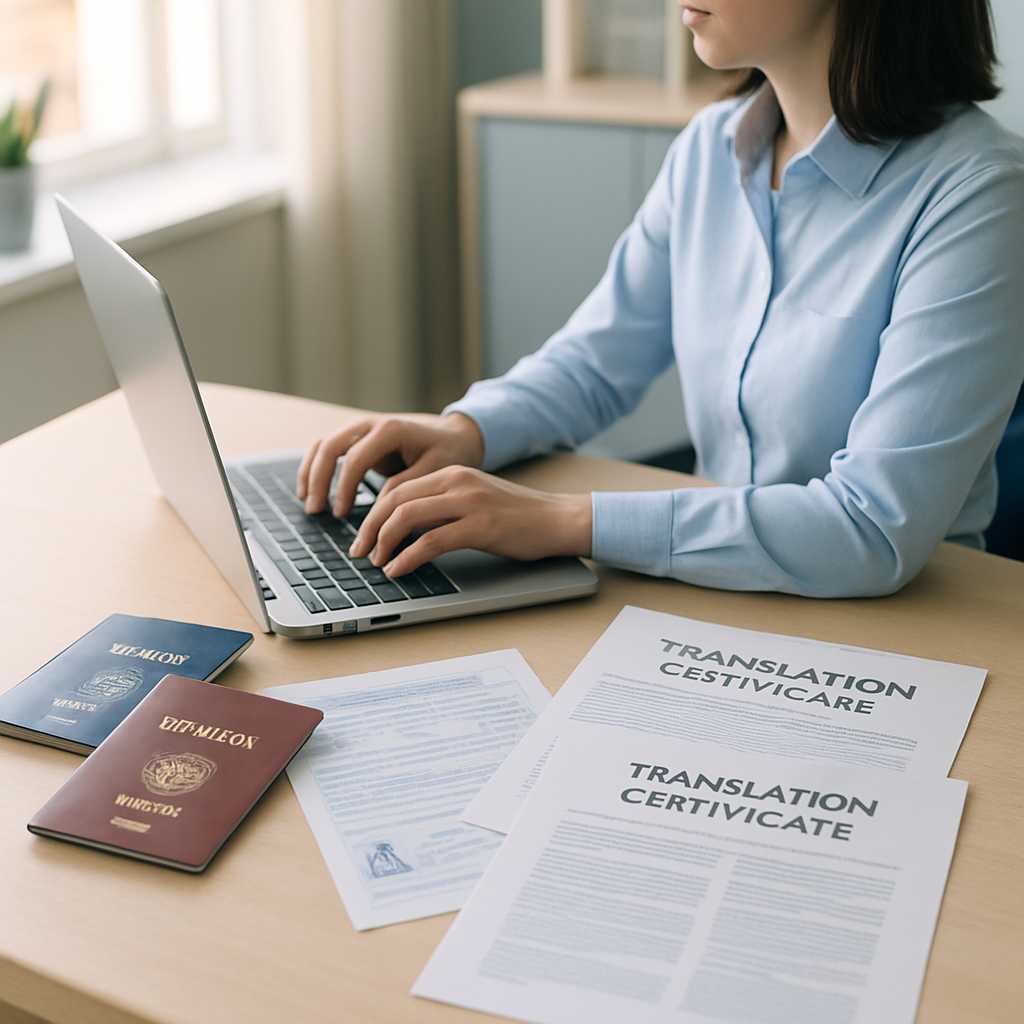



Understanding Translation Documents for Immigration
When navigating the complex world of immigration, one of the most critical components is the proper translation of documents. Translation documents for immigration serve as a bridge between different languages, ensuring that all parties involved understand the content accurately. This is essential not only for the application process but also for legal compliance and effective communication with immigration authorities.
In this article, we will delve into what translation documents for immigration actually mean, the types of documents that require translation, the importance of certified translations, and how to choose the right translation service for your needs.
What Are Translation Documents?
Translation documents refer to any official documents that need to be translated from one language to another for various purposes, including immigration. These documents can include:
- Birth certificates
- Marriage certificates
- Academic transcripts
- Passports
- Medical records
- Employment letters
Each of these documents plays a significant role in the immigration process, as they provide essential information about an individual’s identity, background, and qualifications.
Types of Documents Commonly Required for Immigration
Different countries have varying requirements regarding which documents must be translated for immigration purposes. Here are some commonly required documents:
- Birth Certificates: Often required to prove identity and age.
- Marriage Certificates: Necessary for spousal visa applications.
- Academic Transcripts: Required for student visa applications.
- Passports: Essential for identification and travel.
- Medical Records: May be required for health assessments.
The Importance of Certified Translations
Not all translations are created equal. For immigration purposes, certified translations are often required. A certified translation is a translation that comes with a signed statement from the translator or translation service, attesting to the accuracy and completeness of the translation.
Immigration authorities typically require certified translations to ensure that the documents submitted are reliable and can be trusted. This is particularly important because inaccuracies or omissions can lead to delays or even denials of immigration applications.
Why Choose Certified Translation Services?
Choosing a certified translation service offers several advantages:
- Accuracy: Certified translators are trained professionals who understand the nuances of both languages.
- Legal Compliance: Certified translations meet the legal requirements set by immigration authorities.
- Accountability: A certified translation comes with a guarantee of accuracy, providing peace of mind.
How to Choose the Right Translation Service
When selecting a translation service for immigration documents, consider the following factors:
1. Specialization in Immigration Documents
Ensure that the translation service specializes in immigration documents. This specialization means they are familiar with the specific requirements and terminology used in immigration processes.
2. Qualifications and Experience
Check the qualifications and experience of the translators. Look for certifications from recognized bodies and experience in translating similar documents.
3. Turnaround Time
Immigration processes often have strict deadlines. Ensure that the translation service can meet your timeline without compromising quality.
4. Customer Reviews and Testimonials
Research customer reviews and testimonials to gauge the reliability and quality of the translation service.
Common Terminology in Immigration Translations
Understanding common terminology used in immigration translations can help you navigate the process more effectively. Here are some key terms:
- Certified Translation: A translation that is accompanied by a signed statement of accuracy.
- Notarized Translation: A translation that has been verified by a notary public.
- Official Document: Any document that is recognized by government authorities.
FAQs About Translation Documents for Immigration
1. What documents need to be translated for immigration?
Common documents include birth certificates, marriage certificates, academic transcripts, and passports.
2. Do I need a certified translation for my immigration documents?
Yes, most immigration authorities require certified translations to ensure accuracy and compliance.
3. How long does it take to get documents translated?
Turnaround times vary by service, but it’s essential to choose a provider that can meet your deadlines.
4. Can I translate my own documents for immigration?
Self-translations are generally not accepted; certified translations from professional services are required.
5. What should I look for in a translation service?
Look for specialization in immigration documents, qualified translators, and positive customer reviews.
Conclusion
Translation documents for immigration are a vital part of the application process. Understanding their significance and ensuring you have the right translations can make a significant difference in the success of your immigration journey. By choosing a reputable translation service, you can navigate the complexities of immigration with confidence.