

Understanding the Importance of Accurate Document Translation for Immigration
When it comes to immigration, the accuracy of translated documents is paramount. Governments and immigration authorities require precise translations to ensure that all information is correctly interpreted. This is particularly crucial for legal documents such as birth certificates, marriage licenses, and academic transcripts. Any inaccuracies can lead to delays, rejections, or even legal complications.
Moreover, the stakes are high; a successful immigration application can significantly impact an individual’s life, allowing them to work, study, or reunite with family in a new country. Therefore, understanding the best practices for translating documents for immigration is essential for anyone navigating this complex process.
Key Standards for Document Translation
Document translation for immigration must adhere to specific standards to be accepted by authorities. These standards include:
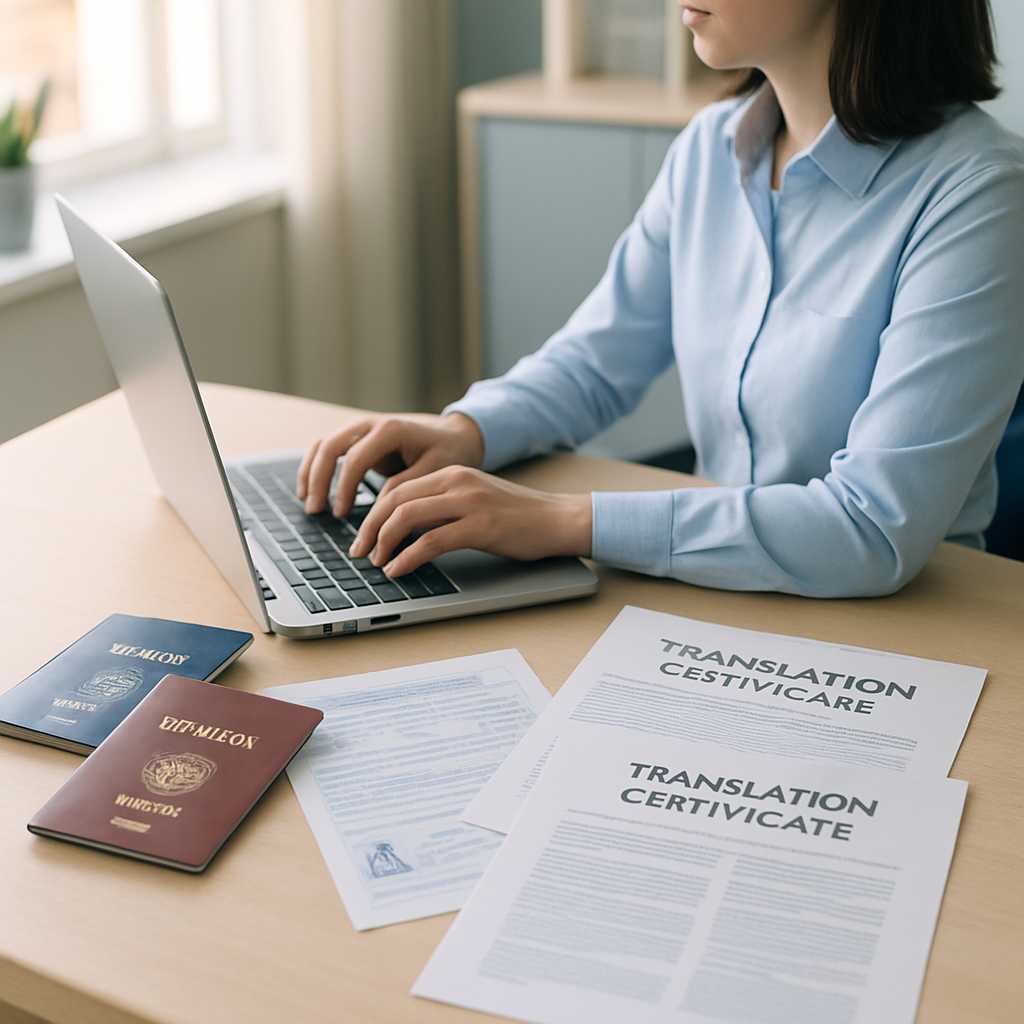
- Certification: Translations should be certified by a professional translator or a translation agency. This certification verifies that the translation is accurate and complete.
- Notarization: In some cases, documents may also need to be notarized, adding an extra layer of authenticity.
- Format Consistency: The translated document should mirror the original in format, including layout, fonts, and any official seals or stamps.
Why Certification Matters
Certification is a critical aspect of translating documents for immigration. It assures the receiving authority that the translation has been completed by a qualified professional. Certified translations often come with a signed statement from the translator, affirming their qualifications and the accuracy of the translation. This is particularly important for sensitive documents where misinterpretation could lead to severe consequences.
Choosing the Right Translation Service
Not all translation services are created equal. When selecting a service for translating documents for immigration, consider the following:
- Expertise in Immigration Documents: Choose a service that specializes in immigration-related translations. They will be familiar with the specific requirements and nuances of different types of documents.
- Qualified Translators: Ensure that the translators are certified and have experience in legal and immigration translations. This expertise is crucial for maintaining accuracy.
- Client Reviews and Testimonials: Look for services with positive reviews from previous clients. This can provide insight into their reliability and quality of work.
Cost Considerations
The cost of translating documents for immigration can vary widely based on several factors, including the language pair, document complexity, and turnaround time. It’s essential to obtain quotes from multiple services and understand what is included in the price. Beware of extremely low-cost options, as they may compromise quality.
Common Documents That Require Translation
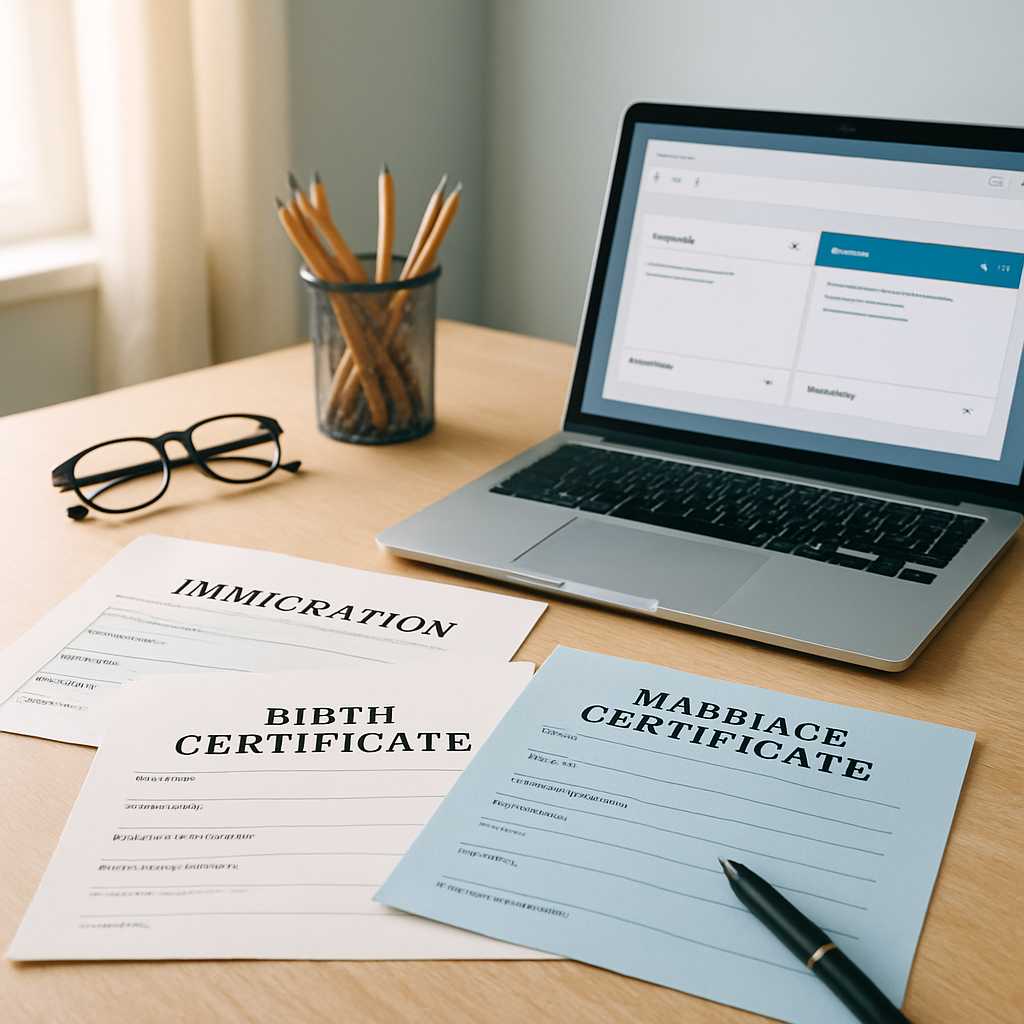
Several types of documents are commonly required for immigration applications, including:
- Birth Certificates: Often required to prove identity and age.
- Marriage Certificates: Necessary for family reunification applications.
- Academic Transcripts: Required for educational visas or applications.
- Employment Letters: Important for work visa applications.
Document-Specific Translation Tips
Each type of document may have specific requirements for translation. For instance, when translating a birth certificate, ensure that all names, dates, and places are accurately represented. Similarly, academic transcripts should include all grades and course descriptions to avoid any discrepancies.
Best Practices for Document Translation
To ensure the best outcomes when translating documents for immigration, follow these best practices:
- Start Early: Begin the translation process as soon as you know you will need it. This allows ample time for revisions and corrections.
- Provide Clear Instructions: When submitting documents for translation, include any specific requirements or guidelines provided by the immigration authority.
- Review Translations Thoroughly: Always review the translated documents for accuracy and completeness before submission.
- Keep Copies: Maintain copies of both the original and translated documents for your records.
FAQs About Translating Documents for Immigration
1. What types of documents need to be translated for immigration?
Common documents include birth certificates, marriage certificates, academic transcripts, and employment letters.
2. How do I know if a translation service is reputable?
Look for certifications, client reviews, and experience in immigration document translation.
3. Is a notarized translation always required?
Notarization requirements vary by authority; check the specific guidelines for your immigration application.
4. Can I translate my own documents for immigration?
Self-translations are generally not accepted; certified professional translations are required.
5. How long does it take to translate documents for immigration?
Turnaround times vary by service and document complexity, but it’s advisable to allow several days to weeks.
Conclusion
Translating documents for immigration is a critical step in the application process that requires careful attention to detail and adherence to specific standards. By following best practices and choosing a reputable translation service, you can ensure that your documents are accurately translated and accepted by immigration authorities. For more information on certified translation services, visit our Certified Translations page.