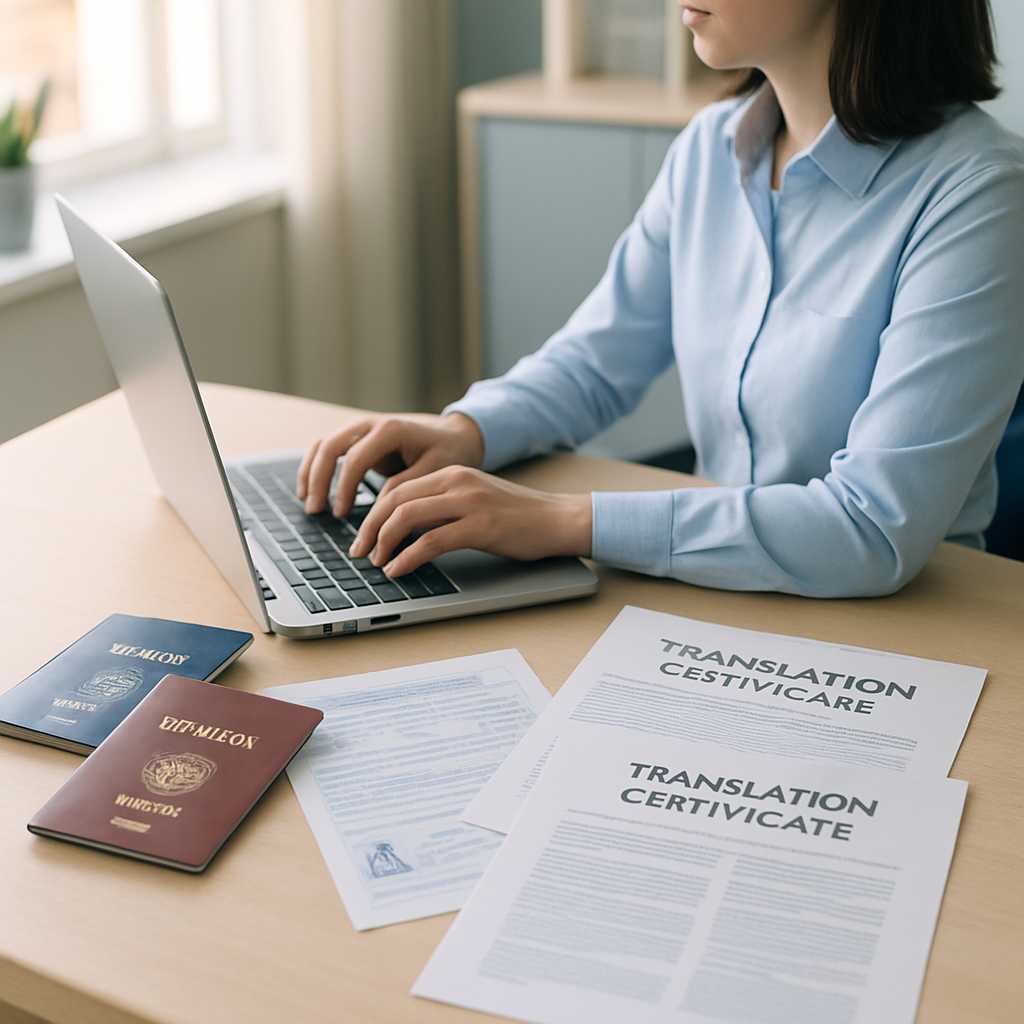



Understanding Immigration Translation
Immigration translation is a critical aspect of the immigration process, ensuring that all necessary documents are accurately translated into the required language. This process is essential for individuals seeking to relocate to a new country, as it helps immigration authorities understand the applicant’s background, qualifications, and legal status. In this article, we will explore what immigration translation entails, the types of documents that require translation, and the importance of using certified translation services.
What Is Immigration Translation?
Immigration translation refers to the translation of documents that are required for immigration applications. These documents can include personal identification, legal documents, educational certificates, and more. The primary goal of immigration translation is to provide a clear and accurate representation of the original documents in the target language, ensuring that immigration officials can assess the application without misunderstandings.
The Importance of Accurate Translation
Accurate translation is crucial in the immigration process. Errors or omissions in translated documents can lead to delays, rejections, or even legal issues. For instance, if a birth certificate is not translated correctly, it may not fulfill the requirements set by immigration authorities, resulting in complications for the applicant. Therefore, it is vital to engage professional translation services that specialize in immigration documents.
Types of Immigration Documents That Must Be Translated
When applying for immigration, several key documents typically require translation. Understanding which documents need to be translated can help streamline the application process.
1. Birth Certificates
Birth certificates are often required to establish identity and familial relationships. When submitting a birth certificate for immigration purposes, it must be translated into the official language of the country to which the individual is applying. This ensures that the immigration authorities can verify the applicant’s age and parentage.
2. Marriage Certificates
For applicants who are married, a marriage certificate is essential. This document may need translation to prove the legitimacy of the marriage, especially if the spouse is also applying for immigration. Accurate translation of marriage certificates is crucial to avoid any potential issues regarding marital status.
3. Academic Transcripts and Diplomas
Individuals applying for work or study visas often need to submit academic transcripts and diplomas. These documents must be translated to demonstrate educational qualifications. Immigration authorities may require these translations to assess the applicant’s eligibility for specific programs or job positions.
4. Employment Records
Employment records, including letters of employment and pay stubs, may also need translation. These documents help establish the applicant’s work history and financial stability, which can be critical for visa approval.
5. Legal Documents
Legal documents such as divorce decrees, custody agreements, and court orders may require translation as well. These documents are essential for applicants with complex personal situations and must be accurately translated to ensure that all legal matters are clearly understood by immigration officials.
6. Passports
Passports are a fundamental document in the immigration process. While many countries accept passports in their original language, some may require a certified translation, especially if the passport contains non-Latin characters. Ensuring that the passport is translated correctly is vital for the application process.
Choosing the Right Translation Service
When it comes to immigration translation, selecting the right translation service is paramount. Here are some factors to consider:
1. Certification
Ensure that the translation service is certified and recognized by immigration authorities. Certified translations come with a declaration of accuracy, which is often required for official documents.
2. Specialization in Immigration Documents
Choose a translation service that specializes in immigration documents. This specialization ensures that the translators are familiar with the specific requirements and terminology used in immigration processes.
3. Experience and Reputation
Look for a translation service with a proven track record in the industry. Reading reviews and testimonials can provide insight into the quality of service and customer satisfaction.
4. Turnaround Time
Immigration applications often have strict deadlines. Ensure that the translation service can meet your timeline without compromising quality.
Common Mistakes to Avoid in Immigration Translation
To ensure a smooth immigration process, it is essential to avoid common mistakes in document translation:
1. Using Non-Certified Translators
Using non-certified translators can lead to inaccuracies that may jeopardize your application. Always opt for certified translation services to ensure compliance with immigration requirements.
2. Incomplete Translations
Submitting incomplete translations can result in delays or rejections. Ensure that all parts of the document are translated, including signatures and stamps.
3. Ignoring Formatting Requirements
Different countries have specific formatting requirements for translated documents. Familiarize yourself with these requirements to avoid issues during the application process.
FAQs About Immigration Translation
1. What documents need to be translated for immigration?
Common documents that require translation include birth certificates, marriage certificates, academic transcripts, employment records, legal documents, and passports.
2. Why is certified translation important for immigration?
Certified translation ensures that the translated documents are accurate and meet the requirements set by immigration authorities, reducing the risk of application delays or rejections.
3. How do I choose a translation service for immigration documents?
Look for a translation service that is certified, specializes in immigration documents, has a good reputation, and can meet your timeline.
4. Can I translate my own documents for immigration?
Most immigration authorities require translations to be done by certified professionals. Self-translations are typically not accepted.
5. What happens if my translated documents are incorrect?
Incorrect translations can lead to delays, rejections, or legal issues. It is crucial to use certified translation services to avoid these problems.
Conclusion
Immigration translation is a vital part of the immigration process, ensuring that all necessary documents are accurately translated and understood by immigration authorities. By understanding which documents require translation and choosing the right translation service, applicants can significantly improve their chances of a smooth immigration experience. For more information on immigration translation services, feel free to contact us today.