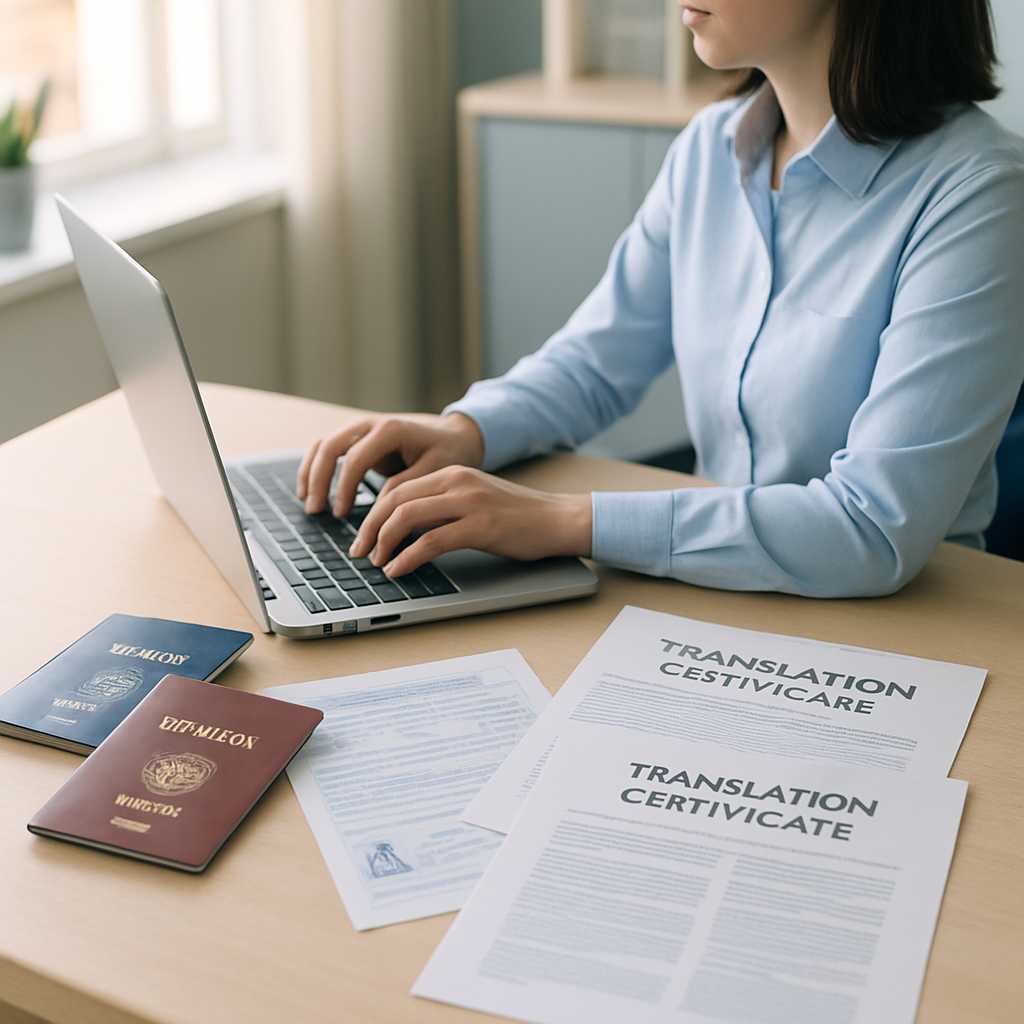



Understanding the Importance of Accurate Immigration Document Translation
When it comes to immigration, the accuracy of your documents can significantly impact your application process. Translating immigration documents correctly is not just a matter of converting words; it involves understanding the legal implications and requirements set forth by immigration authorities. Incorrect translations can lead to delays, rejections, or even legal issues.
Immigration documents often include vital records such as birth certificates, marriage certificates, and legal documents that require precise translation. This is where professional translation services come into play, ensuring that your documents are not only translated but also certified to meet the standards required by immigration offices.
What Types of Immigration Documents Need Translation?
Different types of immigration documents may require translation, depending on the specific requirements of the immigration authority you are dealing with. Here are some common documents that often need translation:
- Birth Certificates: Essential for proving identity and familial relationships.
- Marriage Certificates: Often required for spousal visa applications.
- Divorce Certificates: Necessary for individuals who have been previously married.
- Academic Transcripts: Required for educational visa applications.
- Employment Letters: Important for work visa applications.
The Immigration Translation Process
The immigration translation process involves several key steps to ensure that your documents are accurately translated and certified. Here’s a breakdown of the process:
1. Document Collection
Gather all necessary documents that require translation. Ensure that you have the original copies as well as any additional documents that may be needed for context.
2. Choosing a Professional Translator
Select a certified translator who specializes in immigration documents. It’s crucial to choose someone with experience in legal translations to ensure compliance with immigration standards.
3. Translation and Certification
The translator will convert your documents into the required language while maintaining the original meaning. Once completed, the translation must be certified, confirming that it is an accurate representation of the original document.
4. Review and Submission
Review the translated documents for accuracy before submission. Ensure that all required documents are included in your immigration application package.
Why You Should Use Certified Translation Services
Using certified translation services for immigration documents is essential for several reasons:
- Accuracy: Certified translators are trained to provide precise translations that meet legal standards.
- Compliance: Immigration authorities often require certified translations, and using a professional service ensures compliance with these requirements.
- Time-Saving: Professionals can expedite the translation process, allowing you to submit your application promptly.
- Peace of Mind: Knowing that your documents are in the hands of experts can alleviate stress during the immigration process.
Common Mistakes to Avoid When Translating Immigration Documents
Even minor errors in translation can have significant consequences. Here are some common mistakes to avoid:
1. Using Non-Certified Translators
Many individuals attempt to save money by using non-certified translators or online translation tools. This can lead to inaccuracies and may not be accepted by immigration authorities.
2. Ignoring Cultural Context
Translations should consider cultural nuances and legal terminology. Failing to do so can result in misunderstandings or misinterpretations.
3. Incomplete Translations
Ensure that all parts of the document are translated, including signatures, stamps, and notes. Omitting any part can lead to rejection of your application.
FAQs About Translating Immigration Documents
1. Do I need to translate all my immigration documents?
Yes, all documents that are not in the official language of the immigration authority must be translated and certified.
2. How long does it take to translate immigration documents?
The time required for translation can vary based on the document’s complexity and the translator’s workload. Typically, it can take anywhere from a few days to a couple of weeks.
3. Can I translate my own documents?
While you can translate your own documents, it is not recommended. Immigration authorities often require certified translations from professional services.
4. What is a certified translation?
A certified translation is a translation that comes with a signed statement from the translator attesting to its accuracy and completeness.
5. How much does it cost to translate immigration documents?
The cost of translation can vary based on the document type, language pair, and the service provider. It’s best to request quotes from multiple services.
Conclusion: Ensuring Successful Immigration Document Translation
Translating immigration documents correctly is crucial for a smooth immigration process. By understanding the requirements, avoiding common mistakes, and utilizing certified translation services, you can enhance your chances of a successful application. If you need assistance with translating your immigration documents, contact us today for expert help.