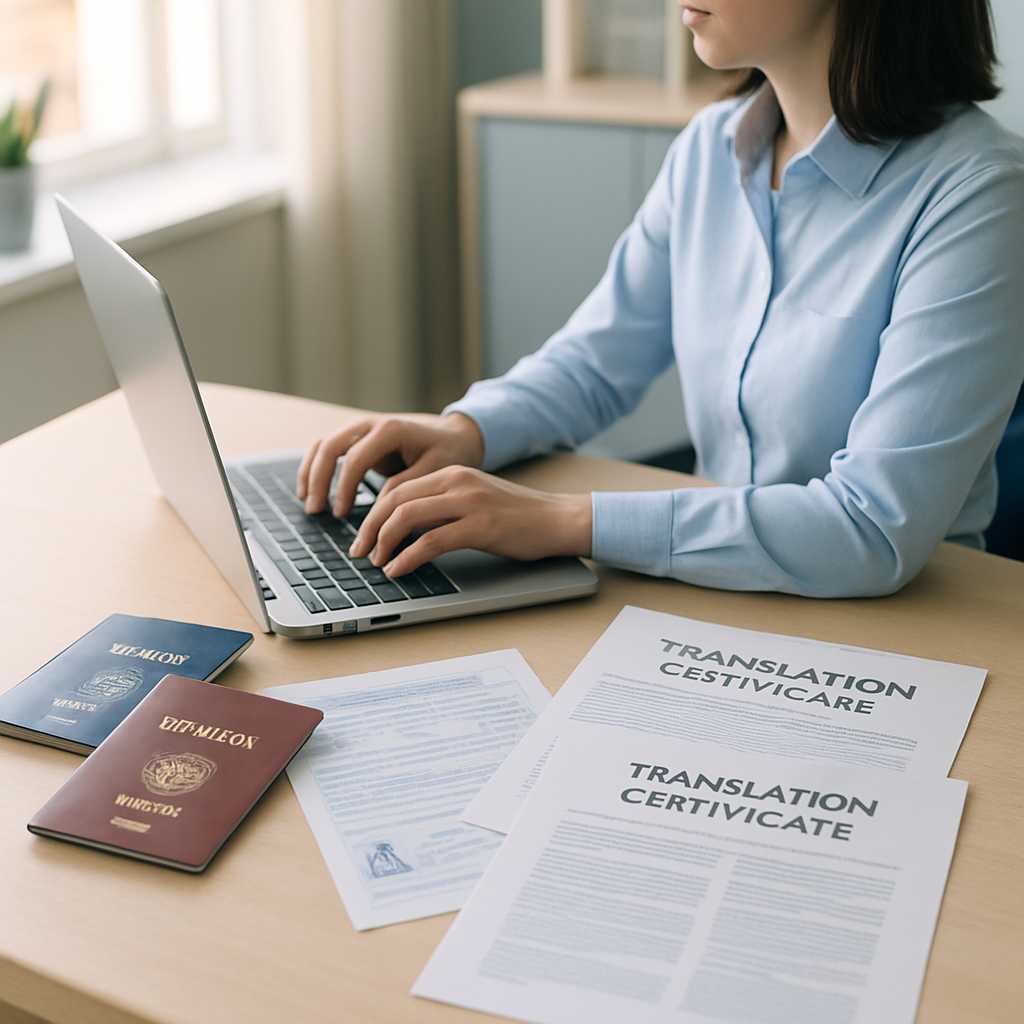



Understanding Certified Translation
Certified translation is a specialized service that ensures documents are accurately translated and meet the legal requirements set by various authorities, including the passport office. This type of translation is crucial for individuals applying for passports, visas, or other immigration-related documents. A certified translation typically includes a signed statement from the translator or translation agency, affirming the accuracy and completeness of the translation.
Why Certified Translation is Required for the Passport Office
The passport office requires certified translations to ensure that all information is accurately conveyed in the application process. This is particularly important for documents that are not in English, as inaccuracies can lead to delays or rejections of applications. The certified translation provides a guarantee that the translated document is a true and accurate representation of the original.
Common Documents Requiring Certified Translation
Several types of documents may require certified translation for passport applications. These include:
- Birth Certificates: Essential for proving identity and citizenship.
- Marriage Certificates: Often required for name changes or family applications.
- Divorce Decrees: Necessary for individuals who have changed their marital status.
- Academic Transcripts: Required for educational purposes or if applying for a student visa.
- Police Clearance Certificates: Sometimes needed for background checks.
Passport Office Rules for Certified Translations
Each passport office may have specific rules regarding certified translations. Generally, the following guidelines apply:
1. Accuracy and Completeness
The translation must be a complete and accurate representation of the original document. Any omissions or errors can lead to complications in the application process.
2. Certification Statement
A certified translation must include a statement from the translator or translation agency, affirming that the translation is accurate and complete. This statement should also include the translator’s qualifications.
3. Format and Presentation
The translated document should be formatted similarly to the original document. This includes maintaining the layout, headings, and any official seals or signatures.
Choosing the Right Translation Service
When selecting a translation service for your passport documents, consider the following:
1. Accreditation
Ensure that the translation service is accredited and has experience with passport office requirements. Look for agencies that are members of professional organizations.
2. Turnaround Time
Check the turnaround time for translations, especially if you have a tight deadline for your passport application.
3. Customer Reviews
Read customer reviews and testimonials to gauge the reliability and quality of the translation service.
Cost of Certified Translation for Passport Applications
The cost of certified translation can vary based on several factors, including:
- Document Length: Longer documents typically cost more to translate.
- Language Pair: Some languages may be more expensive due to the availability of qualified translators.
- Urgency: Expedited services may incur additional fees.
FAQs About Certified Translation for the Passport Office
1. What is a certified translation?
A certified translation is a translation that comes with a signed statement from the translator or agency, confirming its accuracy and completeness.
2. Do I need a certified translation for my birth certificate?
Yes, if your birth certificate is not in English, a certified translation is typically required for passport applications.
3. How long does it take to get a certified translation?
Turnaround times can vary, but most services offer translations within a few days. Expedited services are also available.
4. Can I translate my own documents for the passport office?
No, the passport office requires translations to be done by a certified translator or agency.
5. What happens if my translation is rejected?
If a translation is rejected, you may need to obtain a new translation from a different provider or address the specific issues noted by the passport office.
Conclusion
Obtaining a certified translation for the passport office is a crucial step in ensuring your application is processed smoothly. By understanding the requirements and choosing a reputable translation service, you can avoid delays and complications in your passport application process.