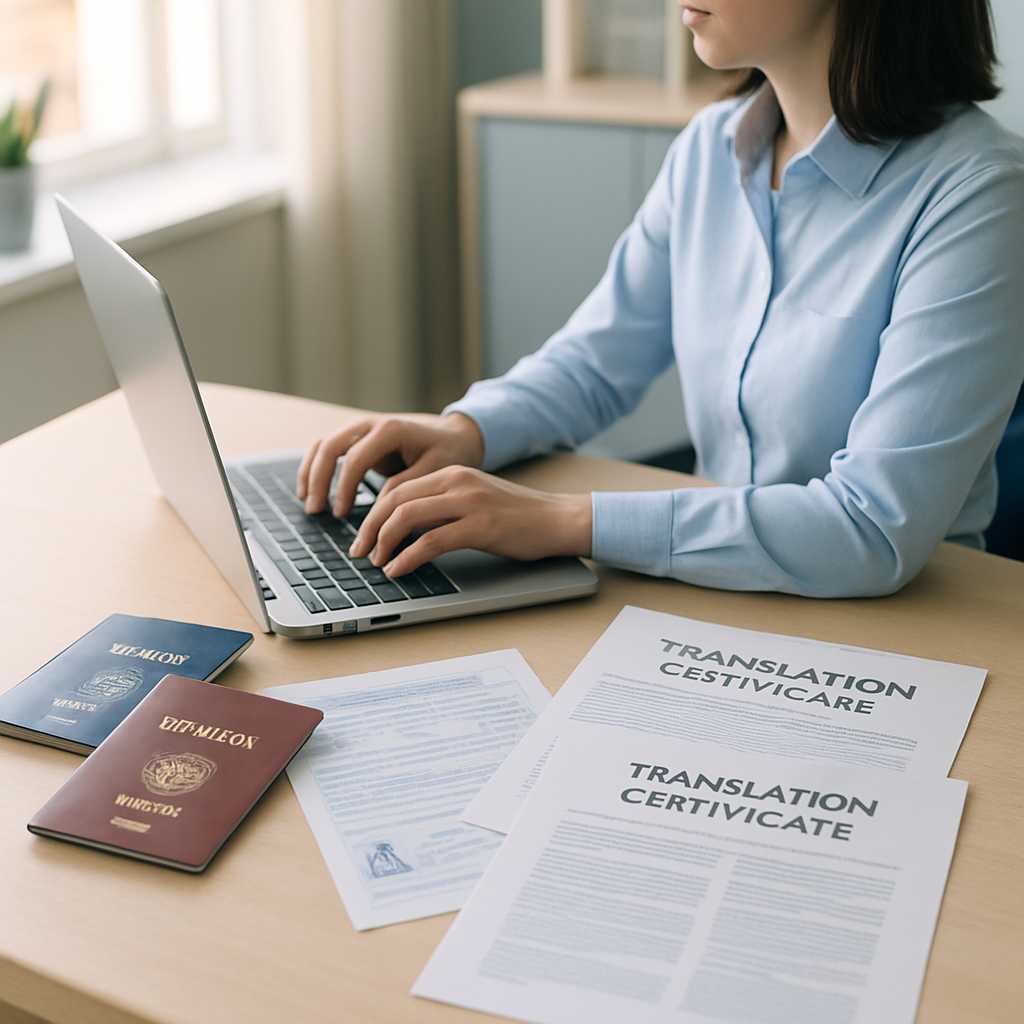



Understanding Certified Translation for the Home Office
Certified translation is a crucial requirement for individuals submitting documents to the Home Office in the UK. This process ensures that all translations are accurate, complete, and officially recognized. Whether you are applying for a visa, citizenship, or any other immigration-related service, understanding the nuances of certified translation is essential.
The Home Office mandates that all non-English documents submitted must be accompanied by a certified translation. This requirement is in place to maintain the integrity of the application process and ensure that all information is clearly understood by officials.
What is Certified Translation?
Certified translation refers to the translation of documents by a qualified translator who provides a signed statement affirming the accuracy and completeness of the translation. This certification is often required for legal, immigration, and official documents.
Key characteristics of certified translations include:
- Accuracy: The translation must accurately reflect the original document’s content.
- Completeness: All parts of the document must be translated, including any annotations or notes.
- Certification Statement: The translator must provide a statement confirming their qualifications and the accuracy of the translation.
Why is Certified Translation Important for Home Office Applications?
The Home Office requires certified translations to ensure that all submitted documents are understood without ambiguity. This is particularly important in legal contexts where misinterpretations can lead to significant consequences.
Some reasons why certified translation is vital include:
- Legal Compliance: Submitting non-certified translations can result in application rejections or delays.
- Clarity: Certified translations provide clarity and eliminate misunderstandings in critical documents.
- Trustworthiness: A certified translation enhances the credibility of your application.
Types of Documents That Require Certified Translation
Various documents may require certified translation for Home Office applications, including:
- Birth Certificates: Essential for proving identity and familial relationships.
- Marriage Certificates: Often required for spousal visa applications.
- Academic Transcripts: Necessary for educational qualifications verification.
- Legal Documents: Such as court orders or divorce decrees.
How to Obtain a Certified Translation
Obtaining a certified translation involves several steps:
- Choose a Qualified Translator: Ensure the translator is accredited and experienced in certified translations.
- Provide Original Documents: Submit clear copies of the documents that need translation.
- Review the Translation: Once completed, review the translation for accuracy.
- Receive Certification: The translator will provide a signed statement certifying the translation.
Choosing the Right Translation Service
When selecting a translation service for your Home Office documents, consider the following:
- Experience: Look for services that specialize in certified translations for immigration.
- Reviews: Check client testimonials and reviews to gauge reliability.
- Turnaround Time: Ensure they can meet your deadlines.
- Cost: Compare prices but prioritize quality over cost.
Common Mistakes to Avoid
When dealing with certified translations, avoid these common pitfalls:
- Using Non-Certified Translators: Always use accredited professionals to avoid rejection.
- Incomplete Translations: Ensure all parts of the document are translated.
- Ignoring Formatting: Maintain the original document’s format for clarity.
FAQs about Certified Translation for the Home Office
1. What documents need certified translation for the Home Office?
Documents such as birth certificates, marriage certificates, academic transcripts, and legal documents typically require certified translation.
2. How long does it take to get a certified translation?
The turnaround time for certified translations can vary, but most services offer completion within a few days to a week, depending on the document’s complexity.
3. Can I translate my own documents for the Home Office?
No, the Home Office requires translations to be done by a certified translator to ensure accuracy and credibility.
4. What is the cost of certified translation for Home Office documents?
Costs can vary based on the document type and length, but expect to pay between £30 to £100 per document for certified translations.
5. How do I verify if a translation service is accredited?
Check for certifications from recognized bodies, such as the Association of Translation Companies (ATC) or the Institute of Translation and Interpreting (ITI).
6. What happens if my translation is rejected?
If a translation is rejected, you may need to obtain a new certified translation from a different provider, which could delay your application process.