

Understanding the Importance of Arabic Translation for Home Office Applications
Arabic translation for home office applications is a critical service for individuals and businesses dealing with official documents in the UK. The Home Office requires precise and certified translations of documents to ensure compliance with immigration and legal standards. This article will delve into the requirements, processes, and best practices for obtaining accurate Arabic translations for home office applications.
What Documents Typically Require Arabic Translation?
When applying for various services or visas through the Home Office, several documents may require translation. These include:
- Birth Certificates: Essential for proving identity and familial relationships.
- Marriage Certificates: Often needed for spousal visa applications.
- Academic Transcripts: Required for educational qualifications recognition.
- Passports: Necessary for identity verification.
- Legal Documents: Such as contracts or court orders that may need to be presented.
Each of these documents must be translated accurately to avoid delays or rejections in the application process.
Requirements for Arabic Translation for Home Office Applications
The Home Office has specific requirements for translations to ensure they meet legal standards. These include:
Certification of Translations
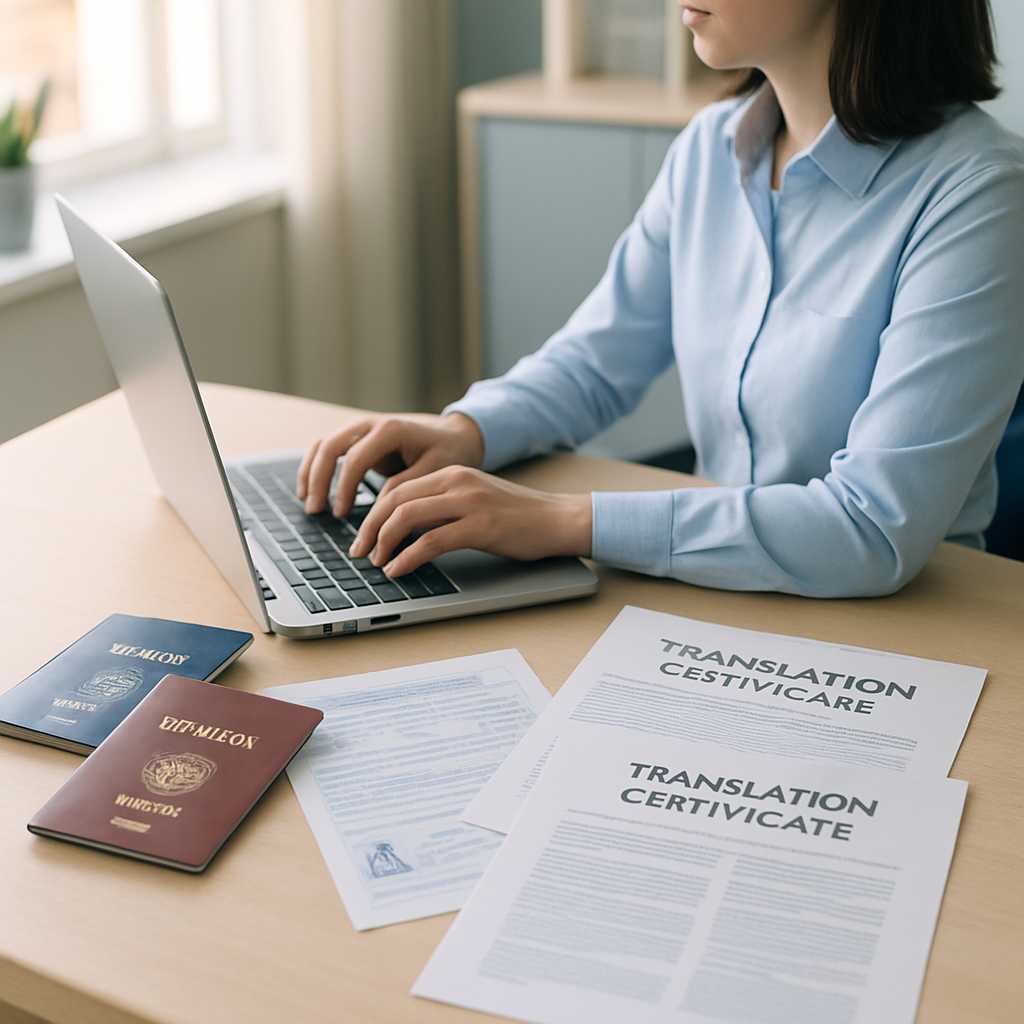
Translations must be certified by a professional translator or a translation agency. This certification confirms that the translation is a true and accurate representation of the original document. The certification should include:
- The translator’s name and signature.
- The date of the translation.
- A statement of accuracy.
- The translator’s qualifications or credentials.
Language Proficiency
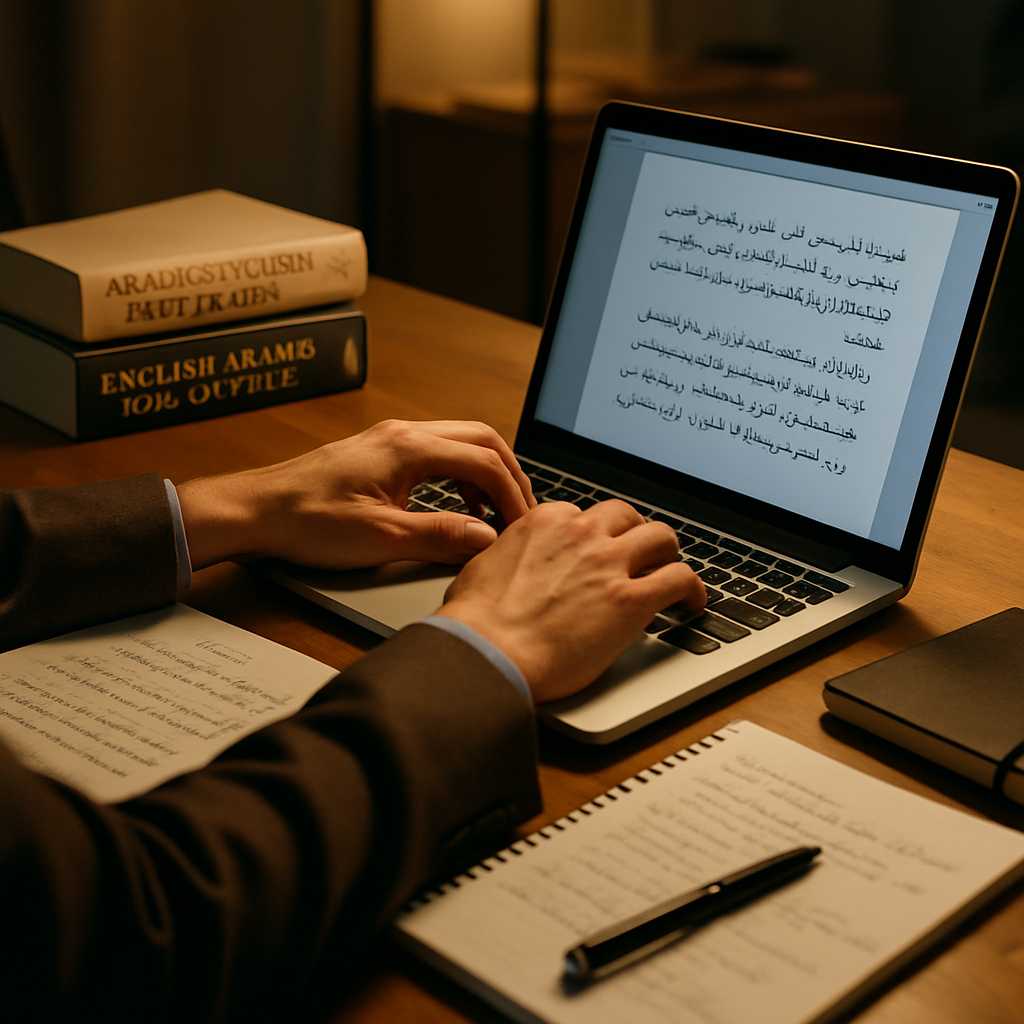
The translator must be proficient in both Arabic and English, with a deep understanding of the cultural nuances and legal terminology in both languages. This ensures that the translation is not only accurate but also contextually appropriate.
Formatting Requirements
Translations should maintain the original document’s formatting. This includes layout, headings, and any official seals or stamps. A well-formatted translation helps in presenting a professional image to the Home Office.
Choosing the Right Translation Service
Selecting a reliable translation service is crucial for ensuring your documents are accepted by the Home Office. Here are some tips:
Look for Certification
Ensure the translation service is certified and has experience in translating documents for immigration purposes. Services like Arabic Certified Translation are specifically tailored for such needs.
Check Reviews and Testimonials
Research customer reviews and testimonials to gauge the quality of service. A reputable service will have positive feedback from previous clients.
Request Samples
Ask for samples of previous translations to assess the quality and accuracy of their work. This can provide insight into their attention to detail and proficiency.
Common Mistakes to Avoid
When obtaining Arabic translations for home office applications, avoid these common pitfalls:
Using Non-Certified Translators
Non-certified translations are often rejected by the Home Office. Always opt for certified services to ensure compliance.
Ignoring Formatting Guidelines
Failing to maintain the original document’s formatting can lead to confusion and potential rejection. Ensure your translator adheres to these guidelines.
Delaying the Translation Process
Start the translation process early to avoid last-minute issues. Delays can impact your application timeline significantly.
FAQs About Arabic Translation for Home Office Applications
1. What is Arabic translation for home office applications?
Arabic translation for home office applications involves translating official documents from Arabic to English to meet the requirements set by the Home Office for immigration and legal purposes.
2. Why do I need a certified translation?
A certified translation ensures that your documents are recognized as accurate and legitimate by the Home Office, reducing the risk of application rejection.
3. How long does it take to get documents translated?
The time required for translation can vary based on the document’s complexity and the service provider. Typically, it can take anywhere from a few days to a couple of weeks.
4. Can I translate documents myself?
Self-translations are generally not accepted by the Home Office. It is essential to use a certified translator for all official documents.
5. What types of documents require translation for a UK visa?
Documents such as birth certificates, marriage certificates, academic transcripts, and legal documents often require translation for UK visa applications.
Conclusion
Obtaining accurate Arabic translation for home office applications is essential for ensuring your documents are accepted. By understanding the requirements, choosing the right service, and avoiding common mistakes, you can streamline your application process and enhance your chances of success. For more information on certified translation services, visit Certified Translation for Home Office.