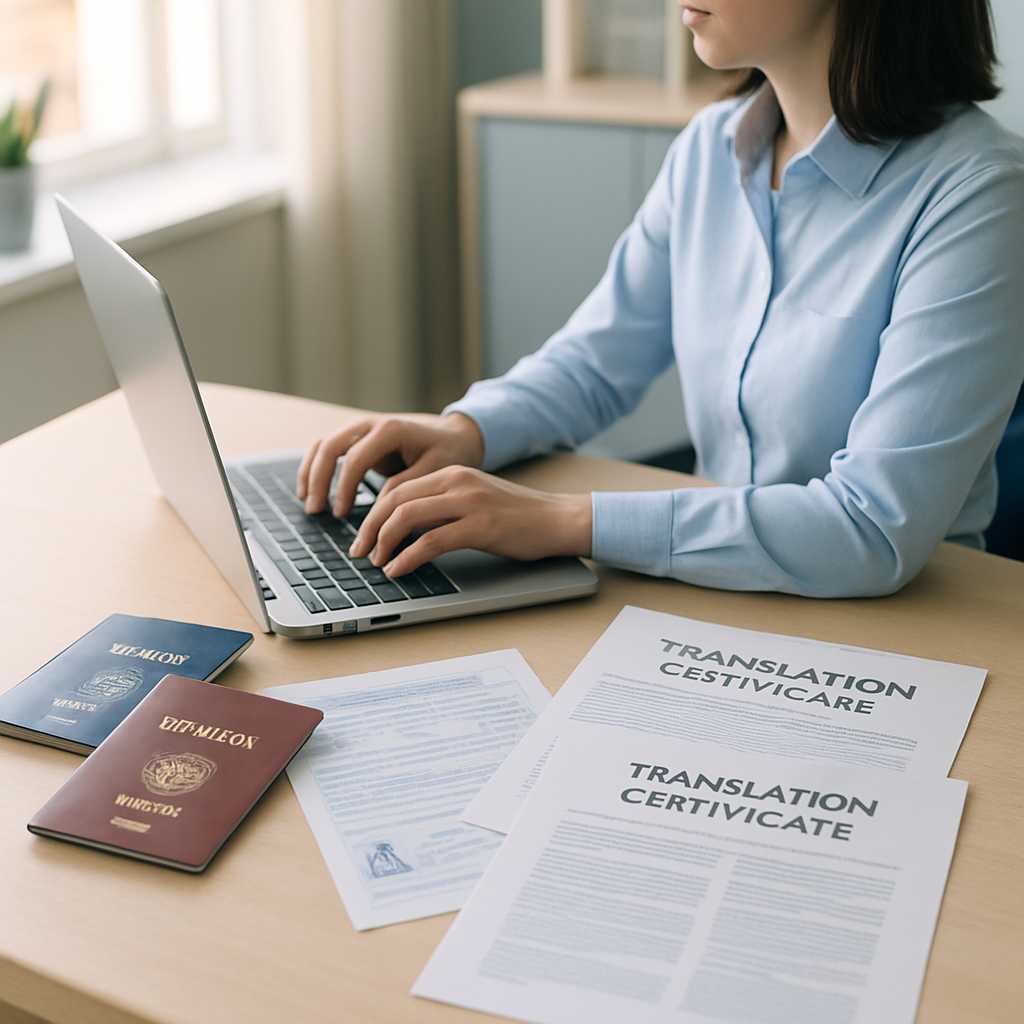


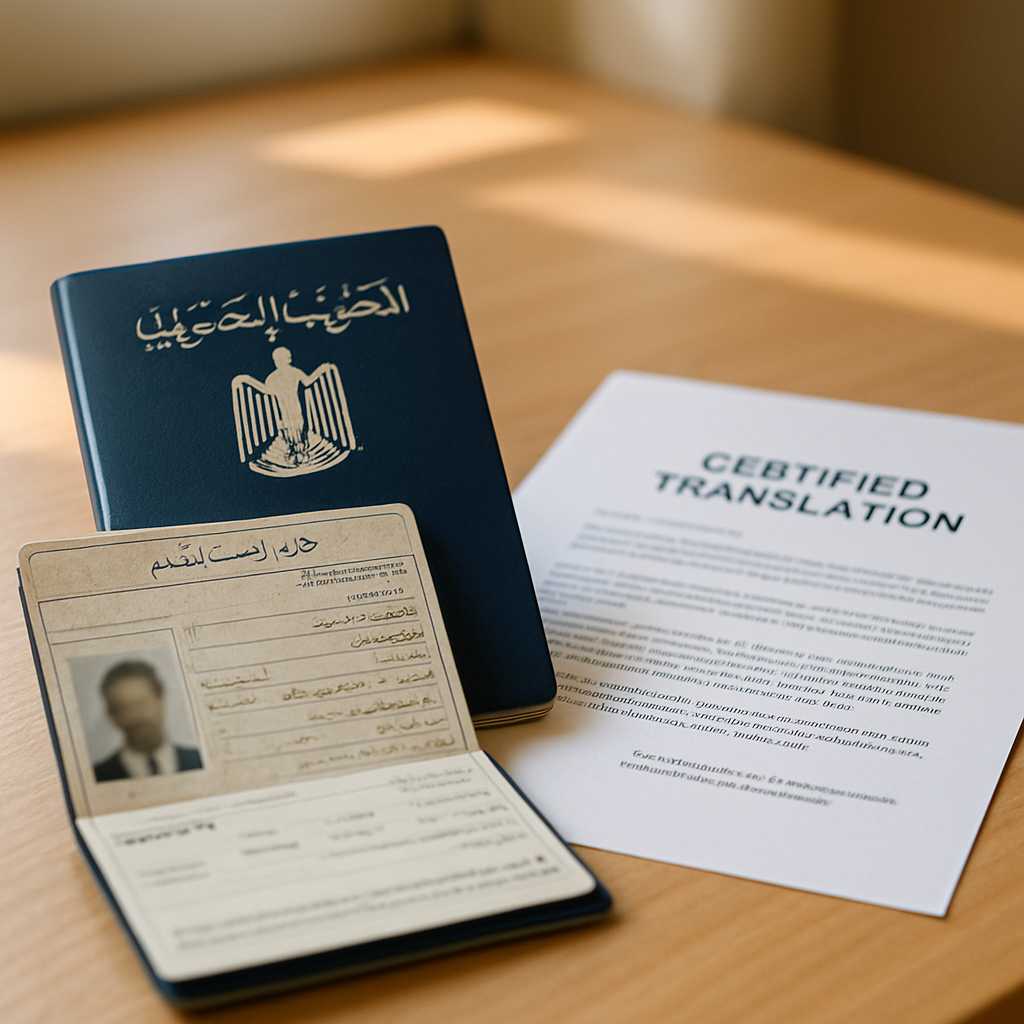
Understanding Arabic Passport Translation
Arabic passport translation is a critical service for individuals needing to present their identification documents in a language understood by authorities in different countries. This process is not merely about converting text from Arabic to English or vice versa; it involves adhering to specific certification rules that ensure the translated document is accepted by governmental and legal entities.
When applying for visas, residency, or citizenship, having an accurate and certified translation of your passport can significantly impact the outcome of your application. This article will delve into the certification rules surrounding Arabic passport translation, providing you with the knowledge needed to navigate this essential process.
Why Certification Matters
Certification of translation is crucial for several reasons:
- Legal Acceptance: Many institutions, including immigration offices and courts, require certified translations to ensure authenticity.
- Accuracy Assurance: Certified translators are typically qualified professionals who guarantee that the translation is accurate and reflects the original document’s content.
- Professional Credibility: Using certified translations enhances your credibility in legal and official matters, reducing the risk of complications.
What is a Certified Translation?
A certified translation is a translation that comes with a signed statement from the translator or translation agency attesting to the accuracy and completeness of the translation. This certification often includes the translator’s qualifications and contact information, providing a layer of trust for the receiving authority.
Certification Requirements for Arabic Passport Translation
When it comes to translating an Arabic passport, specific certification requirements must be met to ensure acceptance by authorities:
1. Qualified Translators
Only translators who are certified and have experience in legal translations should undertake Arabic passport translations. This ensures that they are familiar with the terminology and nuances of both languages.
2. Accurate Formatting
The translated document must maintain the original formatting of the passport. This includes the layout, font, and any official seals or stamps that may be present. Maintaining the visual integrity of the document is essential for it to be recognized as a legitimate translation.
3. Accompanying Certification Statement
The translation should include a certification statement that confirms the translation’s accuracy. This statement should be signed and dated by the translator or the translation agency.
4. Notarization (if required)
In some cases, authorities may require the certified translation to be notarized. This adds an additional layer of verification, ensuring that the translator’s identity and qualifications are confirmed by a notary public.
Common Mistakes in Arabic Passport Translation
When translating Arabic passports, several common mistakes can lead to complications:
1. Inaccurate Terminology
Using incorrect terminology can lead to misunderstandings or rejections of applications. It is vital to ensure that the translator is familiar with legal and immigration terminology.
2. Omitting Information
Every detail in the passport must be translated, including names, dates, and places. Omitting any information can render the translation invalid.
3. Poor Formatting
Failing to replicate the original document’s format can raise red flags for authorities. The translation must look professional and mirror the original document closely.
How to Choose a Certified Translation Service
Choosing the right certified translation service is crucial for ensuring your Arabic passport translation meets all necessary requirements. Here are some tips:
1. Check Qualifications
Ensure that the translators are certified and have experience in translating legal documents, particularly passports.
2. Read Reviews
Look for testimonials and reviews from previous clients to gauge the quality of service provided by the translation agency.
3. Ask About Turnaround Times
In urgent situations, it is essential to know how quickly the translation can be completed. Ensure the agency can meet your deadlines.
4. Request a Sample
If possible, request a sample of their previous work to assess the quality and accuracy of their translations.
FAQs about Arabic Passport Translation
1. Do I need a certified translation for my Arabic passport?
Yes, most authorities require a certified translation of your Arabic passport for legal and immigration purposes.
2. How long does it take to get a certified translation?
The time required for a certified translation can vary, but it typically takes between 1-5 business days, depending on the service provider.
3. Can I translate my own passport?
No, self-translations are generally not accepted. You must use a certified translator for your passport translation.
4. What if my passport has expired?
Even if your passport is expired, a certified translation is still necessary for any legal processes involving that document.
5. Is notarization always required for passport translations?
No, notarization is not always required but may be necessary depending on the specific requirements of the authority requesting the translation.
Conclusion
Understanding the certification rules for Arabic passport translation is essential for anyone needing to present their passport in a different language. By ensuring that you use a qualified translator and adhere to the necessary certification requirements, you can avoid potential pitfalls and ensure that your translation is accepted by the relevant authorities. For professional assistance, consider reaching out to certified translation services that specialize in Arabic documents.