

Understanding UKVI Translation Requirements
The UK Visas and Immigration (UKVI) department has specific guidelines regarding the translation of documents for visa applications. These requirements ensure that all submitted documents are accurately translated and meet the necessary standards for processing. Understanding these requirements is crucial for applicants to avoid delays or rejections in their visa applications.
What Documents Require Translation?
When applying for a UK visa, various documents may need to be translated. Common documents include:
- Birth certificates
- Marriage certificates
- Academic transcripts
- Financial statements
- Passports
Each of these documents must be translated into English if they are originally in another language. The translations must be clear, accurate, and complete to ensure compliance with UKVI standards.
Key Guidelines for Translations
UKVI has outlined specific guidelines that must be followed when translating documents:
1. Certified Translations
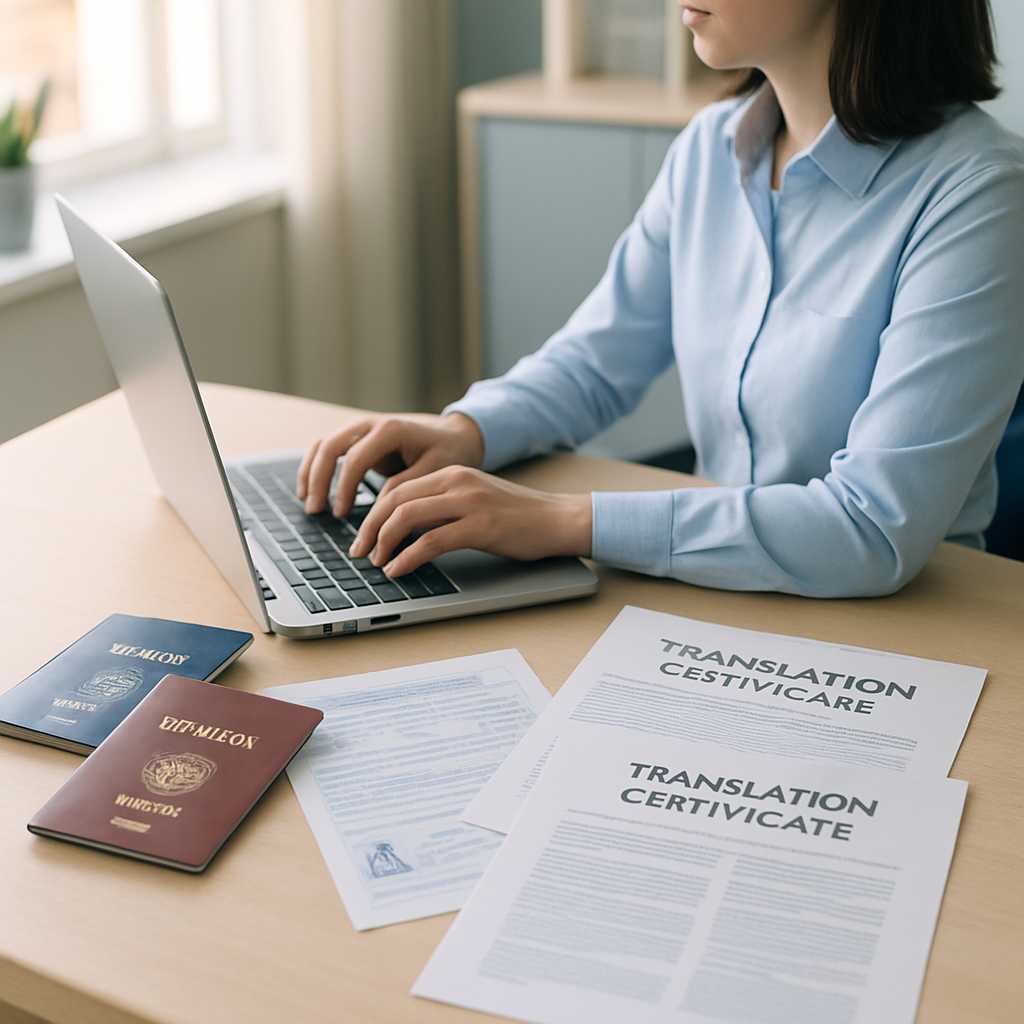
All translations must be certified. This means that the translator or translation company must provide a signed statement confirming the accuracy of the translation. This certification is essential for UKVI to trust the validity of the documents.
2. Professional Translators
Translations should be performed by professional translators who are fluent in both the source and target languages. Ideally, the translator should have experience in legal or immigration-related translations.
3. Completeness and Accuracy
Every part of the document must be translated, including any stamps, signatures, or notes. Incomplete translations can lead to complications in the visa application process.
4. Formatting
The format of the translated document should closely resemble the original document. This includes maintaining the layout, font, and overall appearance to ensure clarity and ease of review by UKVI officials.
Common Mistakes to Avoid
When preparing translations for UKVI, applicants should be aware of common pitfalls that can lead to rejection:
1. Using Non-Certified Translators
One of the most significant mistakes is using non-certified translators. UKVI explicitly requires certified translations, and failing to comply can result in application delays.
2. Incomplete Translations
Omitting parts of the document or failing to translate certain sections can lead to complications. Ensure that every detail is translated accurately.
3. Poor Quality Translations
Using automated translation tools or inexperienced translators can result in errors that may jeopardize the application. Always opt for professional services.
How to Choose a Reliable Translation Service
Selecting the right translation service is crucial for meeting UKVI requirements. Here are some tips:
1. Check Credentials
Ensure that the translation service has certified translators with relevant experience. Look for reviews or testimonials from previous clients.
2. Ask About Their Process
A reliable translation service should have a clear process for handling documents, including quality checks and certifications.
3. Understand Pricing
Get a detailed quote that outlines the costs involved. Be wary of services that offer significantly lower prices, as this may indicate lower quality.
FAQs About UKVI Translation Requirements
1. What is a certified translation?
A certified translation is a translation that comes with a signed statement from the translator or translation company, affirming that the translation is accurate and complete.
2. Do all documents need to be translated for a UK visa?
Not all documents require translation; only those that are not in English must be translated. Common documents include birth and marriage certificates.
3. Can I use a family member to translate my documents?
UKVI requires that translations be done by professional translators. Family members or friends are generally not accepted as translators.
4. How long does it take to get documents translated?
The time required for translation can vary based on the document’s length and complexity. It’s advisable to allow several days to a week for completion.
5. What happens if my translation is rejected?
If a translation is rejected, it can delay your visa application. You will need to obtain a new certified translation that meets UKVI standards.
Conclusion
Understanding the UKVI translation requirements is essential for a smooth visa application process. By ensuring that your documents are accurately translated and certified, you can avoid unnecessary delays and complications. For professional translation services that meet UKVI standards, consider reaching out to experts in the field.