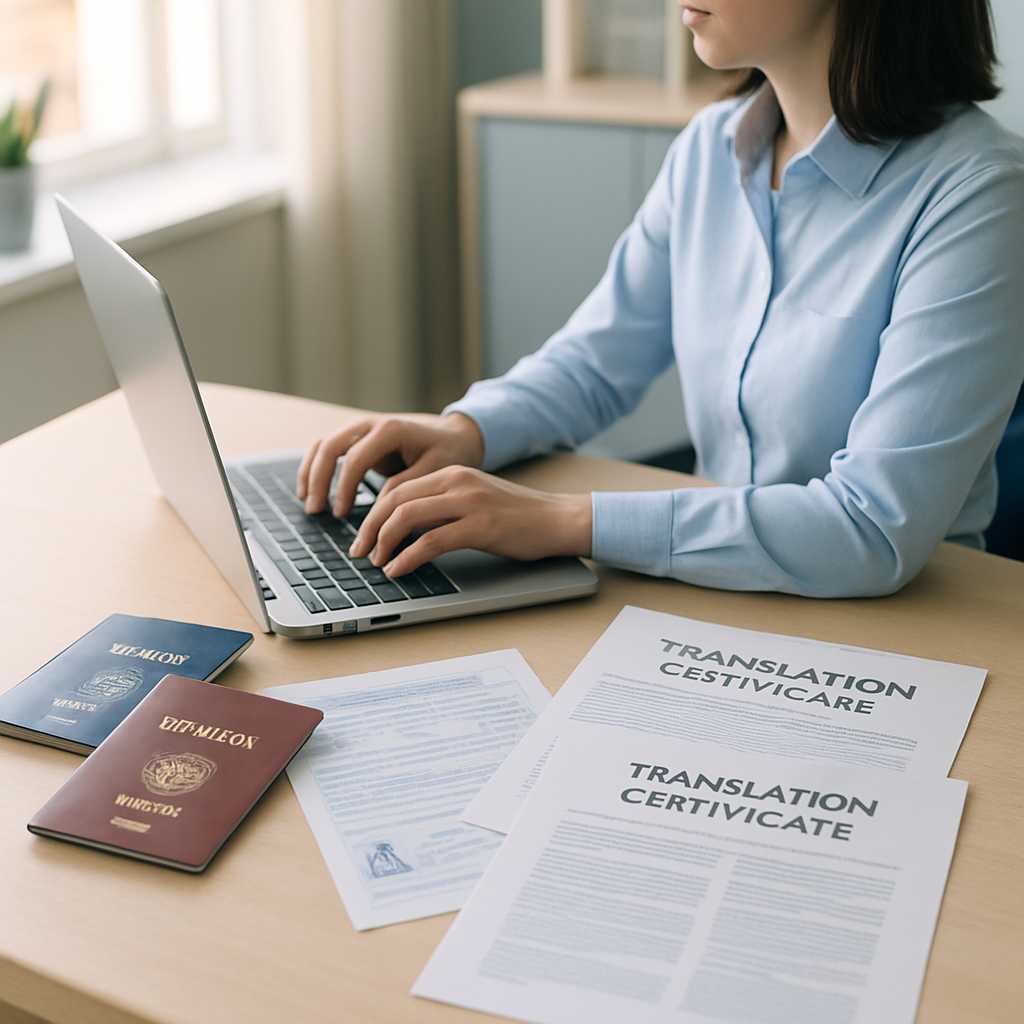



Understanding the Importance of Immigration Document Translation
The translation of immigration documents is a critical step in the immigration process. Whether you are applying for a visa, residency, or citizenship, accurate translations are essential to ensure that your documents are understood by immigration authorities. Misinterpretations or errors in translation can lead to delays, rejections, or even legal complications. Therefore, understanding the nuances of this process is vital for anyone navigating immigration.
Immigration documents can include a variety of paperwork such as birth certificates, marriage certificates, academic transcripts, and legal documents. Each of these documents must be translated accurately and certified to meet the requirements set forth by immigration authorities.
What Constitutes Immigration Documents?
Immigration documents encompass a wide range of paperwork that individuals may need to submit during their immigration journey. Common types of documents include:
- Birth Certificates: Required to prove identity and age.
- Marriage Certificates: Necessary for spousal visa applications.
- Academic Transcripts: Often needed for student visa applications.
- Legal Documents: Such as divorce decrees or adoption papers.
- Employment Records: Required for work visa applications.
Each of these documents must be translated into the official language of the country you are applying to, ensuring that all information is accurately conveyed.
Why Certified Translations Are Necessary
Certified translations are often required by immigration authorities to ensure that the translations are accurate and reliable. A certified translation is a document that has been translated by a qualified translator and includes a signed statement attesting to the accuracy of the translation. This certification is crucial because:
- It provides assurance to immigration officials that the translation is accurate.
- It helps avoid potential legal issues that may arise from incorrect translations.
- It is often a requirement for visa applications and other immigration processes.
Without certified translations, your application may be delayed or rejected, making it essential to choose a reputable translation service that specializes in immigration documents.
Choosing the Right Translation Service
When it comes to the translation of immigration documents, selecting the right service is paramount. Here are some factors to consider:
Experience and Specialization
Look for a translation service that specializes in immigration documents. They should have a proven track record of working with various types of immigration paperwork and be familiar with the specific requirements of different immigration authorities.
Qualifications of Translators
Ensure that the translators are certified and have relevant qualifications. They should be fluent in both the source and target languages and have experience in legal or immigration-related translations.
Turnaround Time
Immigration processes often have strict deadlines. Choose a service that can provide timely translations without compromising on quality. Ask about their average turnaround times and whether they offer expedited services if needed.
Client Reviews and Testimonials
Research client reviews and testimonials to gauge the reliability and quality of the translation service. Positive feedback from previous clients can provide insight into their professionalism and accuracy.
The Process of Translating Immigration Documents
The process of translating immigration documents typically involves several key steps:
1. Document Submission
Submit your documents to the translation service, ensuring that all pages are included. It’s essential to provide clear copies to avoid any misinterpretations.
2. Translation
The translator will begin the translation process, ensuring that all information is accurately conveyed. They will also format the document to match the original layout as closely as possible.
3. Certification
Once the translation is complete, the translator will provide a certification statement, attesting to the accuracy of the translation. This document is crucial for immigration purposes.
4. Delivery
The completed translation will be delivered to you, often in both digital and hard copy formats. Ensure that you review the documents for accuracy before submission to immigration authorities.
Common Challenges in Document Translation
Translating immigration documents can present several challenges, including:
1. Legal Terminology
Legal documents often contain complex terminology that may not have direct translations. A skilled translator must be familiar with legal jargon in both languages to ensure accuracy.
2. Cultural Nuances
Cultural differences can affect how certain information is presented. A translator must understand these nuances to convey the intended meaning accurately.
3. Formatting Requirements
Different countries may have specific formatting requirements for documents. A professional translation service will be aware of these requirements and format the documents accordingly.
FAQs About the Translation of Immigration Documents
What types of documents require translation for immigration?
Common documents include birth certificates, marriage certificates, academic transcripts, and legal documents.
How long does it take to translate immigration documents?
Turnaround times vary by service, but most can provide translations within a few days. Expedited services may be available for urgent needs.
Is a certified translation necessary for all immigration documents?
Yes, certified translations are typically required to ensure accuracy and reliability for immigration applications.
Can I translate my own immigration documents?
While you can translate your own documents, most immigration authorities require certified translations from professional services.
What should I look for in a translation service?
Consider their experience, qualifications of translators, turnaround time, and client reviews when choosing a translation service.
Conclusion
The translation of immigration documents is a crucial aspect of the immigration process. By understanding the importance of certified translations and choosing the right service, you can ensure that your documents are accurately translated and accepted by immigration authorities. For more information on certified translation services, visit our Certified Translations page.