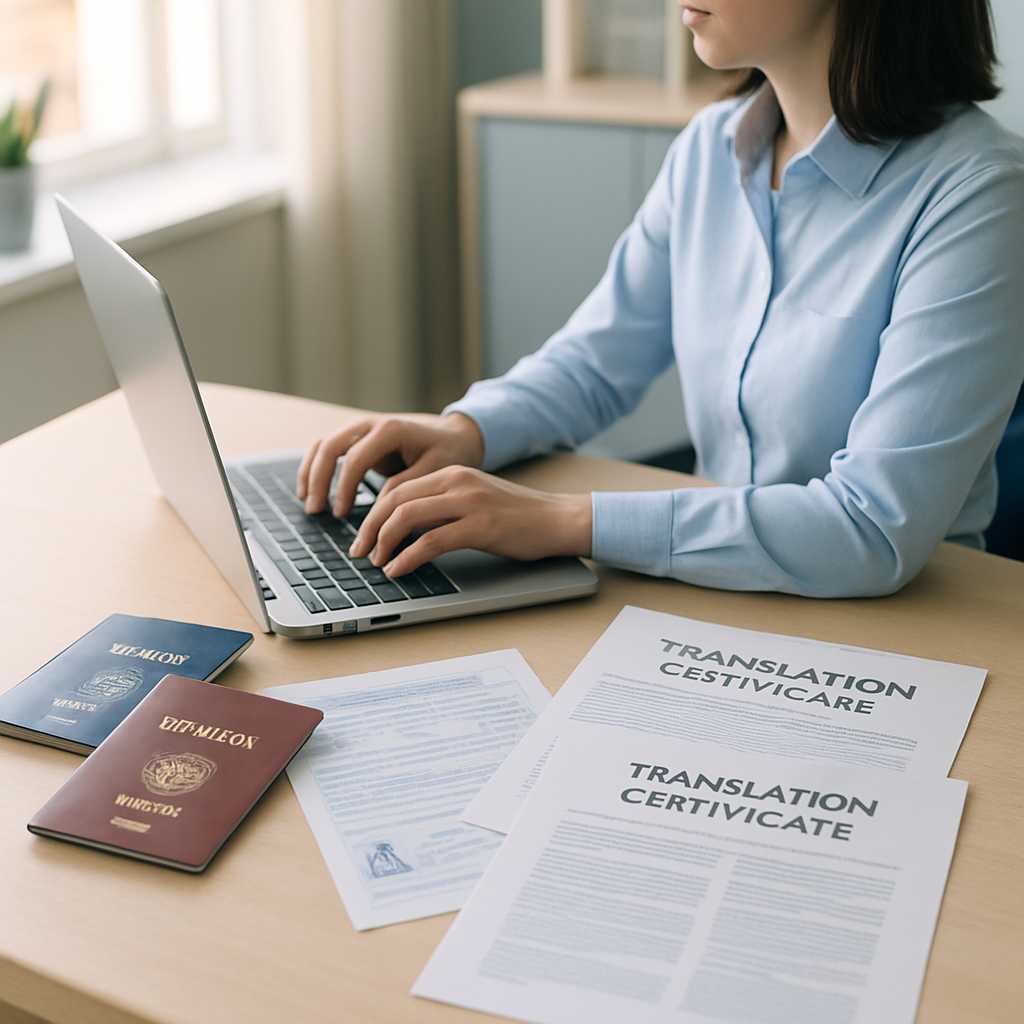


Understanding Home Office Certified Translation Services
Home Office certified translation services are essential for individuals applying for visas, citizenship, or other immigration-related processes in the UK. These services ensure that all foreign-language documents are accurately translated and meet the specific requirements set by the UK Home Office. This article will delve into the intricacies of these services, including what they entail, the requirements for acceptance, and how to choose the right provider.
What is a Certified Translation?

A certified translation is a translation that comes with a signed statement from the translator or translation company, affirming that the translation is accurate and complete. This certification is crucial for official documents, as it assures authorities that the translation meets their standards. In the context of the Home Office, certified translations are often required for documents such as birth certificates, marriage certificates, and academic transcripts.
Why is Certification Important?
Certification is vital for several reasons:
- Legal Validity: Certified translations are recognized by legal entities, ensuring that your documents are accepted without issues.
- Accuracy Assurance: The certification process involves a thorough review, which helps maintain the integrity of the translated content.
- Trustworthiness: Authorities trust certified translations more than non-certified ones, reducing the risk of delays or rejections in your application process.
Requirements for Home Office Certified Translation Services

To ensure that your translations are accepted by the Home Office, certain requirements must be met:
1. Qualified Translators
The translator must be a qualified professional with expertise in the relevant language pair. They should have a proven track record in translating official documents and be familiar with the specific terminology used in immigration contexts.
2. Certification Statement
Each translation must include a certification statement. This statement should confirm that the translation is accurate and complete, and it must be signed by the translator or the translation agency. The statement should also include the translator’s qualifications and contact information.
3. Document Format
The translated document should closely match the format of the original document. This includes maintaining the layout, headings, and any official seals or stamps. This attention to detail helps ensure that the translation is accepted without complications.
4. Language Proficiency
The translator must be fluent in both the source and target languages. This proficiency is crucial for accurately conveying the meaning and nuances of the original text.
5. Compliance with Home Office Guidelines
It is essential to adhere to the specific guidelines set forth by the Home Office. These guidelines can vary depending on the type of document being translated, so it is advisable to consult the Home Office’s official website or guidelines for the most current requirements.
How to Choose a Home Office Certified Translation Service
Selecting the right translation service is critical to ensuring your documents are accepted by the Home Office. Here are some key factors to consider:
1. Experience and Reputation
Look for a translation service with a strong reputation and extensive experience in providing certified translations for immigration purposes. Reading reviews and testimonials can provide insight into their reliability and quality of service.
2. Specialization
Choose a service that specializes in certified translations for the Home Office. This specialization ensures that they are familiar with the specific requirements and nuances involved in such translations.
3. Quality Assurance Processes
Inquire about the quality assurance processes the translation service has in place. A reputable service will have multiple layers of review to ensure accuracy and compliance with Home Office standards.
4. Turnaround Time
Consider the turnaround time for your translations. Depending on your application deadlines, you may need a service that can deliver translations quickly without compromising quality.
5. Pricing Transparency
Ensure that the translation service provides clear and transparent pricing. Be wary of hidden fees and ensure that you understand the cost structure before committing.
Common Documents Requiring Certified Translation

Several types of documents typically require certified translation for Home Office applications:
- Birth Certificates: Essential for proving identity and familial relationships.
- Marriage Certificates: Often required for spousal visa applications.
- Academic Transcripts: Necessary for educational visa applications.
- Police Clearance Certificates: Required for certain visa categories to demonstrate good character.
- Medical Records: Sometimes needed for health-related visa applications.
FAQs about Home Office Certified Translation Services
1. What is the difference between certified and non-certified translations?
Certified translations come with a statement of accuracy from the translator, while non-certified translations do not. Only certified translations are typically accepted by the Home Office.
2. How long does it take to get a certified translation?
The turnaround time for certified translations can vary depending on the service provider and the complexity of the documents. Generally, it can take anywhere from a few hours to several days.
3. Can I translate my own documents for the Home Office?
No, the Home Office requires that translations be done by a qualified professional. Self-translations are not accepted.
4. What happens if my translation is rejected?
If your translation is rejected, you may need to obtain a new certified translation that meets the Home Office’s requirements. This can delay your application process.
5. Are there any specific languages that require certified translation?
Yes, any document in a foreign language that is submitted to the Home Office typically requires certified translation, regardless of the language.
Conclusion
Home Office certified translation services are a crucial component of the immigration process in the UK. By understanding the requirements and ensuring that you choose a reputable provider, you can navigate the complexities of document translation with confidence. For more information on certified translation services, visit our certified translation services page.