


Understanding Home Office Approved Translators
Home Office approved translators play a crucial role in the immigration process for individuals applying for visas or residency in the UK. These professionals are certified to translate documents that are required by the Home Office, ensuring that the translations meet specific standards and are accepted by UK authorities. This article delves into who these translators are, the verification process they undergo, and why their services are essential for anyone navigating the complexities of UK immigration.
What Defines a Home Office Approved Translator?
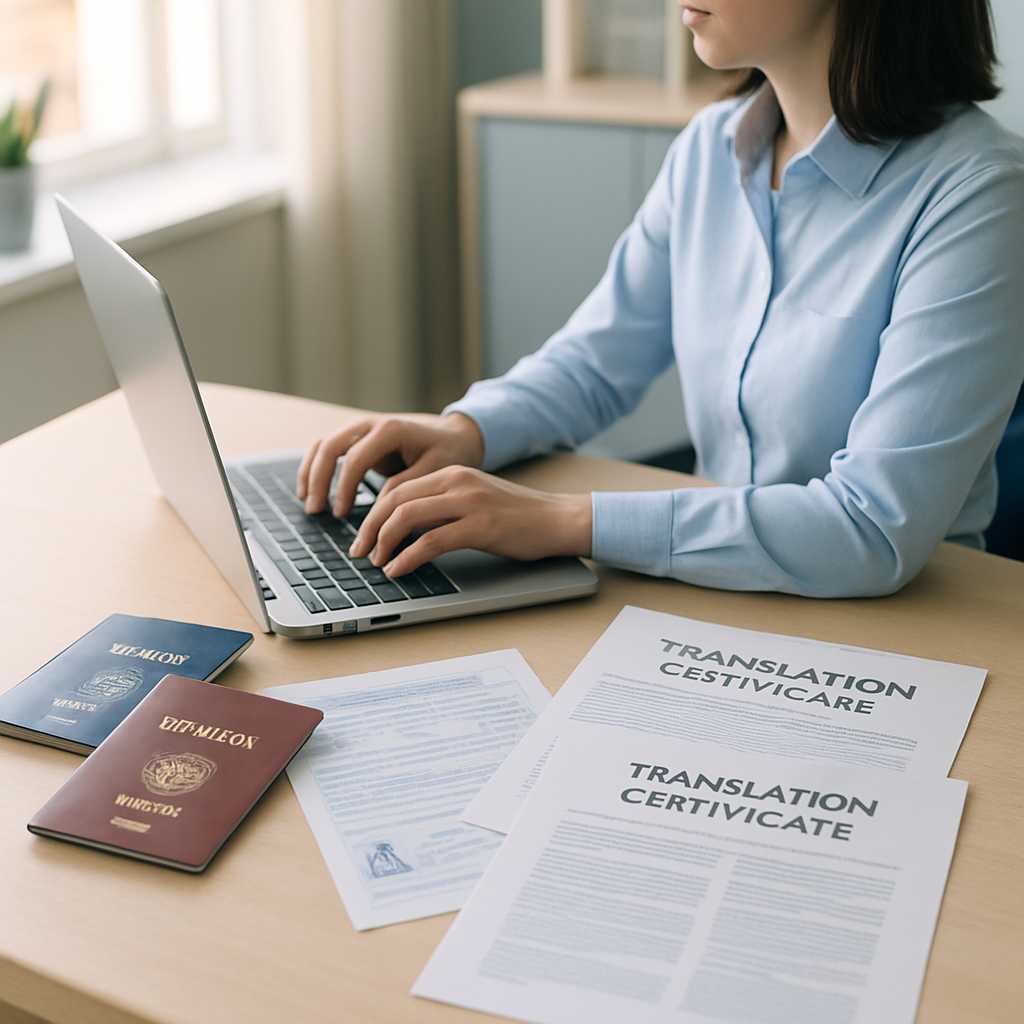
A home office approved translator is a professional who has been recognized by the UK Home Office as qualified to translate documents for immigration purposes. This includes a variety of documents such as birth certificates, marriage certificates, academic transcripts, and legal documents. The approval signifies that the translator adheres to the quality standards set by the Home Office, ensuring accuracy and reliability in translations.
Key Qualifications and Skills
To be recognized as a home office approved translator, individuals must possess a combination of qualifications and skills:
- Language Proficiency: Translators must be fluent in both the source and target languages, with a deep understanding of cultural nuances.
- Certification: Many approved translators hold certifications from recognized bodies such as the Institute of Translation and Interpreting (ITI) or the Chartered Institute of Linguists (CIOL).
- Experience: A proven track record in translation, particularly in legal and immigration documents, is often required.
- Attention to Detail: Precision is critical in translation, especially for documents that carry legal weight.
The Verification Process for Home Office Approved Translators
The verification process for home office approved translators is rigorous and designed to ensure that only the most qualified professionals are recognized. Here’s a breakdown of the steps involved:
1. Application Submission
Translators must submit an application to the Home Office, detailing their qualifications, experience, and any relevant certifications. This application serves as the first step in the verification process.
2. Assessment of Qualifications
The Home Office reviews the submitted qualifications to ensure they meet the necessary standards. This includes checking for relevant certifications and professional memberships.
3. Quality Assurance Checks
Approved translators may be required to undergo quality assurance checks, which can include submitting sample translations for evaluation. This step ensures that the translator’s work meets the Home Office’s quality standards.
4. Continuous Professional Development
Once approved, translators are often required to engage in continuous professional development to maintain their status. This can include attending workshops, training sessions, and staying updated on changes in immigration law and translation standards.
Why Choose Home Office Approved Translators?
Choosing a home office approved translator is essential for several reasons:
1. Acceptance by Authorities
Documents translated by approved translators are more likely to be accepted by the Home Office and other UK authorities, reducing the risk of delays or rejections in the immigration process.
2. Assurance of Quality
These translators adhere to strict quality standards, ensuring that translations are accurate and reliable. This is particularly important for legal documents where precision is paramount.
3. Expertise in Immigration Requirements
Home office approved translators are familiar with the specific requirements of the Home Office, including the types of documents needed and the format in which they should be presented.
Common Documents Translated by Home Office Approved Translators
Home office approved translators typically handle a range of documents, including:
- Birth Certificates: Essential for proving identity and familial relationships.
- Marriage Certificates: Required for spousal visa applications.
- Academic Transcripts: Necessary for students applying for educational visas.
- Legal Documents: Such as court orders or adoption papers.
How to Find a Home Office Approved Translator
Finding a qualified home office approved translator can be straightforward if you know where to look:
1. Professional Associations
Check directories of professional associations like the ITI or CIOL, which often have lists of certified translators.
2. Online Platforms
Many translation services have online platforms where you can verify the credentials of their translators.
3. Recommendations
Seek recommendations from friends or colleagues who have successfully navigated the immigration process.
FAQs About Home Office Approved Translators
1. What is a home office approved translator?
A home office approved translator is a professional recognized by the UK Home Office to translate documents for immigration purposes.
2. How are home office approved translators verified?
They undergo a rigorous verification process that includes application submission, qualification assessment, and quality assurance checks.
3. Why is it important to use an approved translator?
Using an approved translator ensures that your documents are accepted by the Home Office and meet quality standards.
4. What types of documents do they translate?
They typically translate birth certificates, marriage certificates, academic transcripts, and legal documents.
5. How can I find a home office approved translator?
You can find them through professional associations, online platforms, or personal recommendations.
Conclusion
Home office approved translators are essential for anyone looking to navigate the UK immigration process. Their expertise and adherence to quality standards ensure that your documents are accurately translated and accepted by the Home Office. When seeking translation services, always opt for a certified professional to avoid complications in your application process.