

Understanding UKVI Certified Translation Requirements
When applying for a UK visa, one of the critical components is ensuring that all documents are accurately translated. The UK Visas and Immigration (UKVI) has specific requirements for certified translations, which must be adhered to for the application to be accepted. This article delves into the essential aspects of UKVI certified translation requirements, focusing on what translators must confirm regarding accuracy, date, signature, and contact details.
What is a Certified Translation?
A certified translation is a translation that comes with a signed statement from the translator or translation service, confirming that the translation is accurate and complete. This certification is crucial for legal and immigration purposes, as it assures the receiving authority that the translated documents are trustworthy and reliable.
Importance of Certified Translations for UK Visas
For individuals applying for UK visas, certified translations are not just a formality; they are a requirement. UKVI mandates that any documents not in English must be translated into English by a certified translator. This includes vital documents such as birth certificates, marriage certificates, academic transcripts, and legal documents.
Key Requirements for UKVI Certified Translations
To ensure compliance with UKVI standards, translators must confirm several key elements in their certified translations:
1. Confirmation of Accuracy
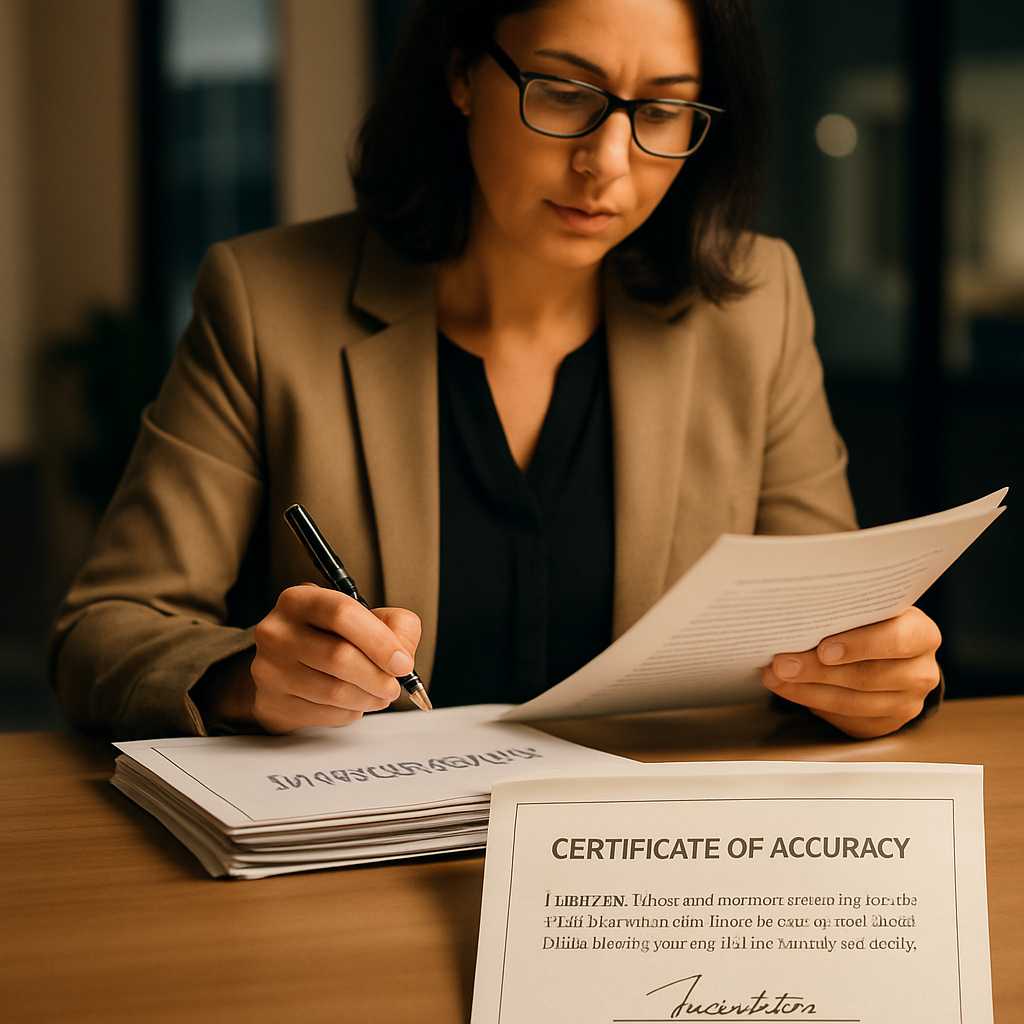
Translators must provide a declaration that the translation is a true and accurate representation of the original document. This declaration often includes a statement such as, “I certify that this is a true and accurate translation of the original document.” This is essential for the UKVI to trust the integrity of the translated documents.
2. Date of Translation
The date on which the translation was completed is also a critical requirement. This date helps UKVI verify the timeliness of the documents. It is advisable for translators to include the date prominently on the certification statement to avoid any confusion.
3. Signature of the Translator
A signature from the translator or the authorized representative of the translation service is mandatory. This signature serves as a formal acknowledgment of the translator’s responsibility for the accuracy of the translation. Without a signature, the translation may be deemed invalid.
4. Contact Details of the Translator
Providing contact details is another essential requirement. Translators must include their name, address, phone number, and email address. This information allows UKVI to reach out for any clarifications or additional information regarding the translation.
What UKVI Accepts in Certified Translations
UKVI has specific guidelines on what constitutes an acceptable certified translation. Here are the key points:
- Translations must be done by a professional translator or a translation agency.
- The translator must be fluent in both the source and target languages.
- Translations should be typed and formatted to match the original document.
- Any stamps or seals from the translator or agency should be included if applicable.
Common Mistakes to Avoid
When preparing certified translations for UKVI, it is crucial to avoid common pitfalls that could lead to rejection:
- Inaccurate Translations: Ensure that the translation accurately reflects the original document’s content.
- Missing Information: Double-check that all required elements, such as the translator’s signature and contact details, are included.
- Improper Formatting: Maintain the original document’s format to ensure clarity and professionalism.
FAQs About UKVI Certified Translation Requirements
1. What documents require certified translation for UKVI?
Documents such as birth certificates, marriage certificates, academic transcripts, and legal documents require certified translation for UKVI applications.
2. Can I translate my own documents for UKVI?
No, UKVI requires that translations be completed by a professional translator or translation service to ensure impartiality and accuracy.
3. How do I find a certified translator for UKVI?
Look for translators or agencies that specialize in certified translations and have experience with UKVI requirements. You can also check for accreditation from recognized bodies.
4. What happens if my translation is rejected by UKVI?
If your translation is rejected, you may need to provide a new translation that meets UKVI’s requirements. This can delay your visa application process.
5. Are there specific wording requirements for the certificate of accuracy?
Yes, the certificate of accuracy should include a statement confirming the translation’s accuracy, the date, and the translator’s signature and contact details.
Conclusion
Understanding the UKVI certified translation requirements is essential for anyone applying for a UK visa. By ensuring that all necessary elements—accuracy, date, signature, and contact details—are included, applicants can avoid unnecessary delays and complications in their visa application process. For professional certified translation services that meet UKVI standards, consider reaching out to experienced translators who can guide you through the process.