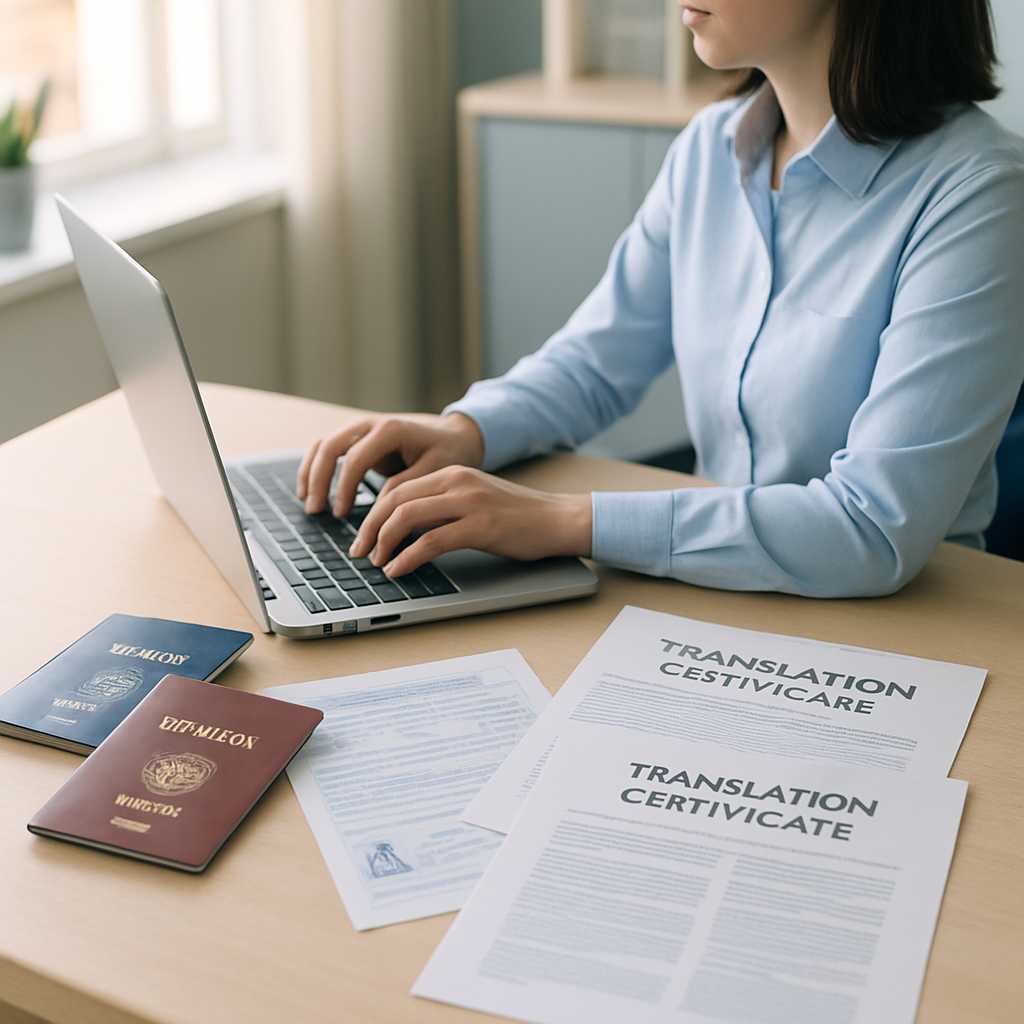


Understanding the Importance of Document Translation for Immigration
The translation of documents for immigration is a critical step in the application process for individuals seeking to move to a new country. Accurate translations ensure that all necessary information is conveyed correctly to immigration authorities, which can significantly impact the outcome of an application. Misinterpretations or errors in translation can lead to delays, rejections, or even legal complications. Therefore, understanding the requirements and processes involved in document translation is essential for a successful immigration journey.
Immigration authorities often require specific documents to be translated, including birth certificates, marriage licenses, academic transcripts, and legal documents. Each document must be translated by a certified translator who is familiar with the legal terminology and requirements of the destination country. This ensures that the translations are not only accurate but also accepted by the relevant authorities.
Step 1: Identify Required Documents for Translation
The first step in the translation process is to identify which documents need to be translated. This typically includes:
- Birth Certificates: Required for proving identity and age.
- Marriage Certificates: Necessary for family reunification applications.
- Academic Transcripts: Important for educational purposes or visa applications.
- Legal Documents: Such as divorce decrees or custody agreements.
Each document serves a specific purpose in the immigration process, and ensuring that they are translated accurately is crucial. It is advisable to consult the immigration authority’s guidelines for a comprehensive list of required documents.
Step 2: Choose a Certified Translation Service
Once you have identified the documents that need translation, the next step is to select a certified translation service. Not all translation services are equal, and choosing one that specializes in immigration documents is vital. Here are some factors to consider:
Qualifications and Experience
Ensure that the translation service employs certified translators who have experience in immigration-related translations. They should be familiar with the specific terminology and requirements of the immigration authorities.
Reviews and Testimonials
Look for reviews and testimonials from previous clients. A reputable service will have positive feedback regarding their accuracy, reliability, and customer service.
Turnaround Time
Consider the turnaround time for translations. Immigration applications often have strict deadlines, so it is essential to choose a service that can deliver translations promptly.
Cost
While cost should not be the only factor, it is important to understand the pricing structure of the translation service. Request quotes from multiple providers to compare prices and services offered.
Step 3: Prepare Your Documents for Translation
Before submitting your documents for translation, ensure they are in good condition and legible. Here are some tips:
- Original Documents: Always provide original documents or certified copies to ensure accuracy.
- Clear Copies: If submitting copies, ensure they are clear and readable.
- Contextual Information: Provide any necessary context or explanations that may help the translator understand the document better.
Step 4: Submit Your Documents for Translation
After preparing your documents, submit them to the chosen translation service. This process typically involves:
- Filling Out a Request Form: Most services will require you to fill out a form detailing the documents you need translated.
- Payment: Be prepared to make a payment upfront or upon completion, depending on the service’s policy.
- Providing Additional Information: If necessary, provide any additional information that may assist in the translation process.
Step 5: Review the Translated Documents
Once you receive the translated documents, it is essential to review them carefully. Check for:
- Accuracy: Ensure that all information has been translated correctly.
- Completeness: Verify that all pages and sections of the original documents are included in the translation.
- Formatting: Confirm that the formatting matches the original documents, as this can be important for official submissions.
Step 6: Certification of Translations
For immigration purposes, translations often need to be certified. This means that the translator or translation service must provide a signed statement attesting to the accuracy and completeness of the translation. This certification is crucial for acceptance by immigration authorities.
Step 7: Submit Translated Documents with Your Immigration Application
After ensuring that your translations are accurate and certified, the final step is to submit them along with your immigration application. Make sure to:
- Follow Submission Guidelines: Adhere to the specific submission guidelines provided by the immigration authority.
- Keep Copies: Retain copies of all submitted documents for your records.
- Track Your Application: Monitor the status of your application to address any issues that may arise.
Common Mistakes to Avoid in Document Translation for Immigration
To ensure a smooth immigration process, avoid these common mistakes:
- Using Non-Certified Translators: Always use certified translators to avoid rejections.
- Ignoring Formatting Requirements: Ensure that the translated documents match the original formatting.
- Submitting Incomplete Documents: Double-check that all required documents are included.
FAQs about Translation of Documents for Immigration
1. What types of documents need translation for immigration?
Common documents include birth certificates, marriage licenses, academic transcripts, and legal documents.
2. How do I find a certified translator for immigration documents?
Look for translation services that specialize in immigration and have certified translators with relevant experience.
3. Is it necessary to have translations certified?
Yes, most immigration authorities require certified translations to ensure accuracy and authenticity.
4. What should I do if I find an error in my translated documents?
Contact the translation service immediately to rectify any errors before submitting your application.
5. How long does it take to get documents translated for immigration?
Turnaround times vary by service, but it is advisable to allow several days to a week for completion.
Conclusion
The translation of documents for immigration is a vital process that requires careful attention to detail and adherence to specific guidelines. By following the steps outlined in this guide, you can ensure that your translations are accurate, certified, and accepted by immigration authorities, paving the way for a successful application.