

Understanding the Importance of Certified Translations for Passport Applications
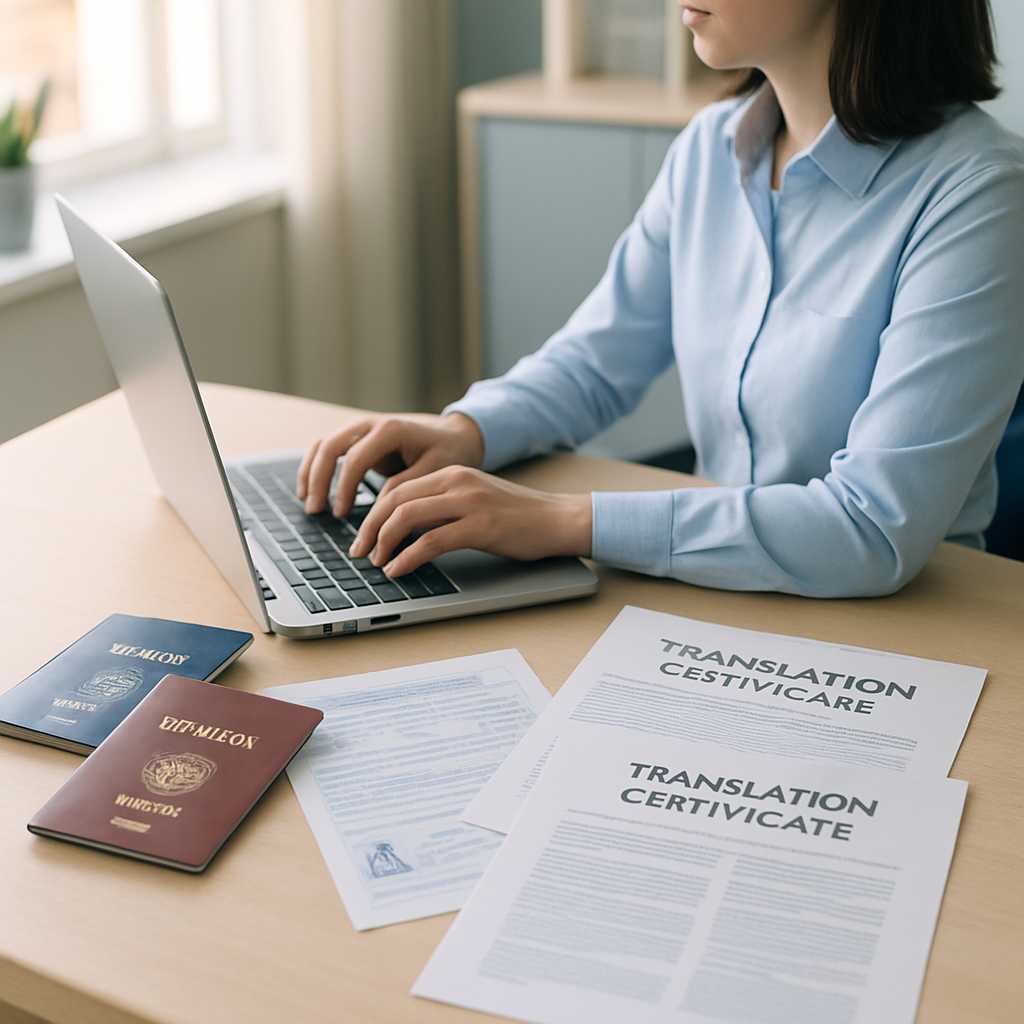
When applying for a passport, especially in a foreign country, the accuracy and authenticity of your documents are paramount. This is where certified translations come into play. A certified translation is a translation that is accompanied by a signed statement from the translator or translation service attesting to the accuracy of the translation. For passport applications, this is often a requirement set by the passport office.
In many cases, applicants must submit translations of documents such as birth certificates, marriage certificates, and other legal documents. The passport authority requires these translations to be precise and professionally done to avoid any delays or rejections in the application process.
What Documents Typically Require Translation?
When preparing your passport application, you may need to translate several types of documents. Here are some of the most common:
- Birth Certificates: Essential for proving identity and citizenship.
- Marriage Certificates: Required if your name has changed due to marriage.
- Identification Cards: Such as national ID cards or driver’s licenses.
- Residency Permits: Important for non-citizens applying for a passport.
Each of these documents must be translated accurately to ensure that the passport office can verify your identity and eligibility without any issues.
Official Requirements for Translation
The requirements for translations submitted to the passport office can vary by country, but there are some common standards that are generally accepted:
1. Certified Translation
The translation must be certified, meaning it should come with a declaration from the translator or the translation agency confirming that the translation is complete and accurate. This certification is crucial as it assures the passport office of the translation’s validity.
2. Professional Translator
Translations should be performed by a professional translator who is fluent in both the source and target languages. Many passport offices require that the translator be a member of a recognized professional body.
3. Format and Presentation
The translated documents should be formatted similarly to the original documents. This includes maintaining the layout, font, and any official seals or signatures. The translation must also include the translator’s contact information and credentials.
How to Choose a Reliable Translation Service
Choosing the right translation service is critical for ensuring your documents meet the passport office’s requirements. Here are some tips:
1. Look for Certification
Ensure that the translation service is certified and has a good reputation in the industry. Look for reviews and testimonials from previous clients.
2. Check Specialization
Some translation services specialize in legal or official document translations. Choose a service that has experience with passport translations specifically.
3. Ask About Turnaround Times
Passport applications often have strict deadlines. Make sure the translation service can provide your translations in a timely manner without compromising quality.
Common Mistakes to Avoid
When preparing your documents for translation, avoid these common pitfalls:
1. Using Non-Certified Translators
Submitting translations from non-certified translators can lead to rejection of your application. Always opt for certified services.
2. Ignoring Formatting Requirements
Failing to maintain the original document’s format can cause confusion and delays. Ensure the translated document mirrors the original.
3. Delaying the Translation Process
Start the translation process as soon as you gather your documents. Delays can jeopardize your application timeline.
FAQs About Translation for Passport Office
1. Do I need to translate my birth certificate for a passport application?
Yes, if your birth certificate is not in English, you will need a certified translation for your passport application.
2. How long does it take to get a certified translation?
The time required for certified translations can vary, but most services offer a turnaround of 1-3 business days for standard documents.
3. Can I translate my documents myself?
Self-translations are generally not accepted. You must use a certified translator to ensure compliance with passport office requirements.
4. What if my documents are in multiple languages?
If your documents contain multiple languages, each part must be translated into English and certified separately.
5. Are there additional costs for certified translations?
Yes, certified translations typically come with an additional fee compared to standard translations due to the added verification process.
Conclusion
Ensuring that your documents are accurately translated and certified is crucial for a smooth passport application process. By understanding the requirements and choosing a reliable translation service, you can avoid common pitfalls and expedite your application. For more information on certified translations, visit our Certified Translation Services page.