

Understanding Passport Stamps and Their Importance
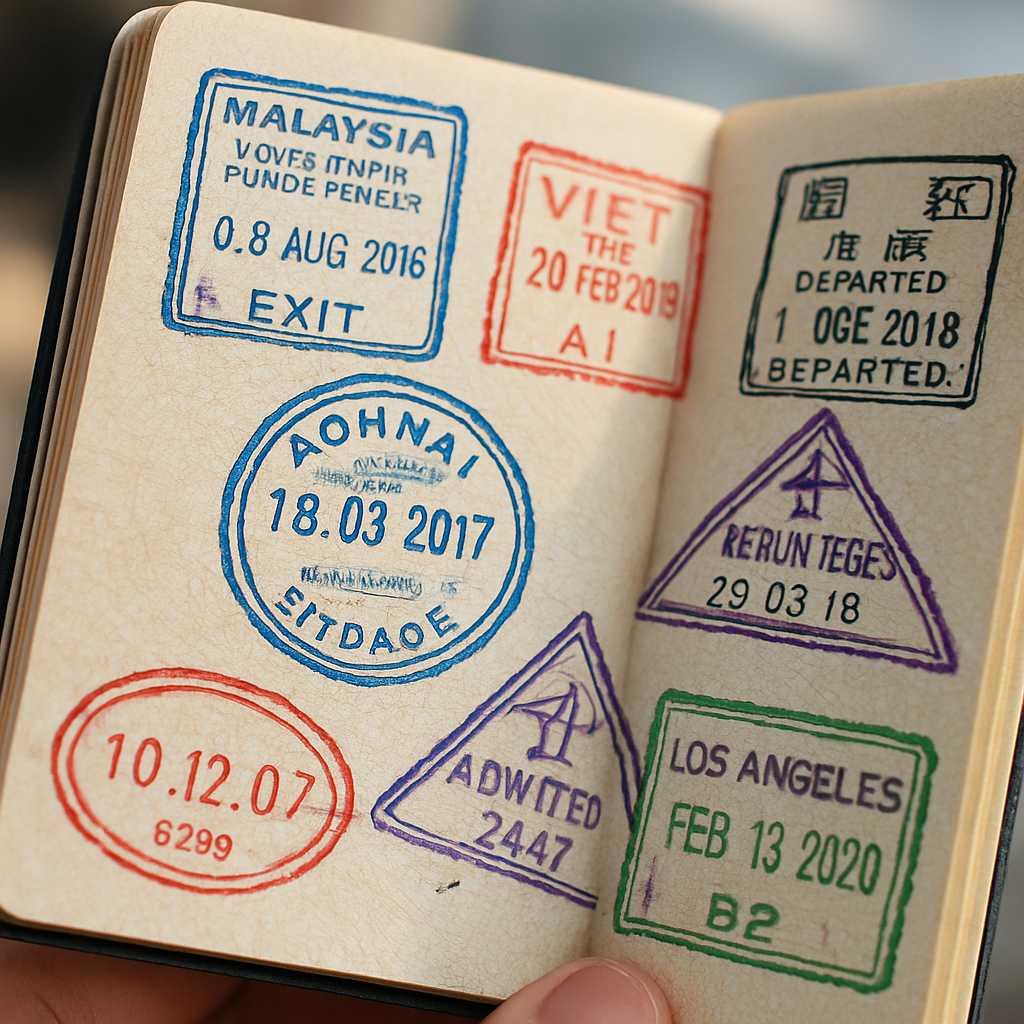
Passport stamps serve as official records of entry and exit from countries, marking significant moments in a traveler’s journey. Each stamp typically includes crucial information such as the date of entry, the country of entry, and sometimes the duration of stay. This information is vital for various legal and administrative processes, particularly when applying for visas or residency in another country.
When it comes to passport stamp translation, accuracy is paramount. Misinterpretations can lead to complications in visa applications, residency permits, or even legal issues. Therefore, understanding what needs to be included in these translations is essential for anyone navigating international travel or immigration.
What to Include in Passport Stamp Translations
When translating passport stamps, several key elements must be included to ensure the translation is both accurate and acceptable to authorities:
- Date of Entry: The exact date when the traveler entered the country.
- Country of Entry: The name of the country where the stamp was issued.
- Type of Visa: If applicable, the type of visa associated with the entry.
- Duration of Stay: Any information regarding how long the traveler is permitted to stay in the country.
- Official Seal or Signature: Some stamps may include an official seal or signature that should be noted in the translation.
Formatting and Presentation
In addition to the content, the formatting of the translation is also crucial. The translated document should maintain the layout of the original stamp as closely as possible. This includes using the same font style and size, as well as ensuring that the translation is clear and legible. A well-formatted translation not only looks professional but also helps in avoiding misunderstandings.
Visa Stamp Translation: What You Need to Know
Similar to passport stamps, visa stamps require careful translation. Visa stamps often contain additional information that must be accurately conveyed in the translated document:
- Visa Type: Clearly state the type of visa (e.g., tourist, student, work).
- Issuing Authority: The name of the authority that issued the visa.
- Validity Period: The dates between which the visa is valid.
- Conditions of Stay: Any specific conditions or restrictions associated with the visa.
Common Challenges in Translation
Translating passport and visa stamps can present unique challenges. For instance, some countries use different languages or scripts, which may not have direct translations. Additionally, the use of abbreviations or symbols can lead to confusion if not properly understood. It is essential to work with a professional translator who is familiar with the specific requirements of the relevant authorities.
Why Professional Translation Matters
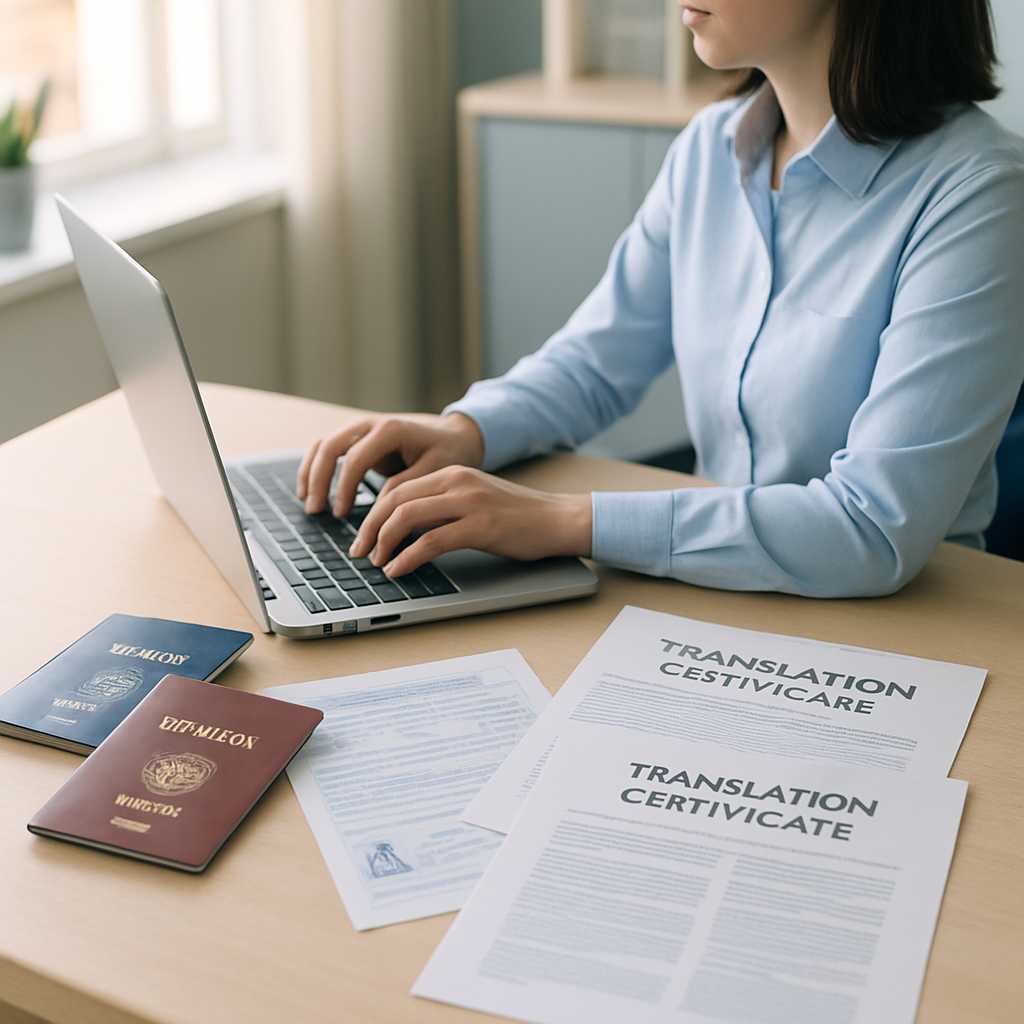
While it may be tempting to use automated translation tools or attempt to translate documents independently, the stakes are high when it comes to immigration and travel documentation. Professional translators ensure that:
- The translation is accurate and meets the required standards.
- All necessary information is included, reducing the risk of application rejection.
- The document is formatted correctly, enhancing its credibility.
Choosing the Right Translation Service
When selecting a translation service for passport and visa stamps, consider the following:
- Experience: Look for a service with a proven track record in translating official documents.
- Certification: Ensure the translator is certified and familiar with the requirements of the relevant authorities.
- Reviews: Check testimonials and reviews from previous clients to gauge the quality of service.
FAQs About Passport Stamp Translation
1. What is passport stamp translation?
Passport stamp translation involves converting the information contained in passport stamps into another language, ensuring accuracy and compliance with official requirements.
2. Why is it important to translate passport stamps?
Accurate translation of passport stamps is crucial for visa applications and immigration processes, as errors can lead to delays or rejections.
3. Can I translate my own passport stamps?
While you can attempt to translate your own passport stamps, it is recommended to use a professional service to ensure accuracy and compliance with legal standards.
4. What information is included in a visa stamp translation?
A visa stamp translation should include the visa type, issuing authority, validity period, and any conditions of stay.
5. How long does it take to get passport stamp translations?
The time required for passport stamp translations can vary depending on the service provider, but it typically ranges from a few hours to a few days.
Conclusion
Translating passport stamps and visas is a critical step in the immigration process. By ensuring that all necessary information is accurately translated and presented, travelers can avoid potential pitfalls and streamline their applications. For reliable and professional translation services, consider reaching out to experts who specialize in immigration documentation.