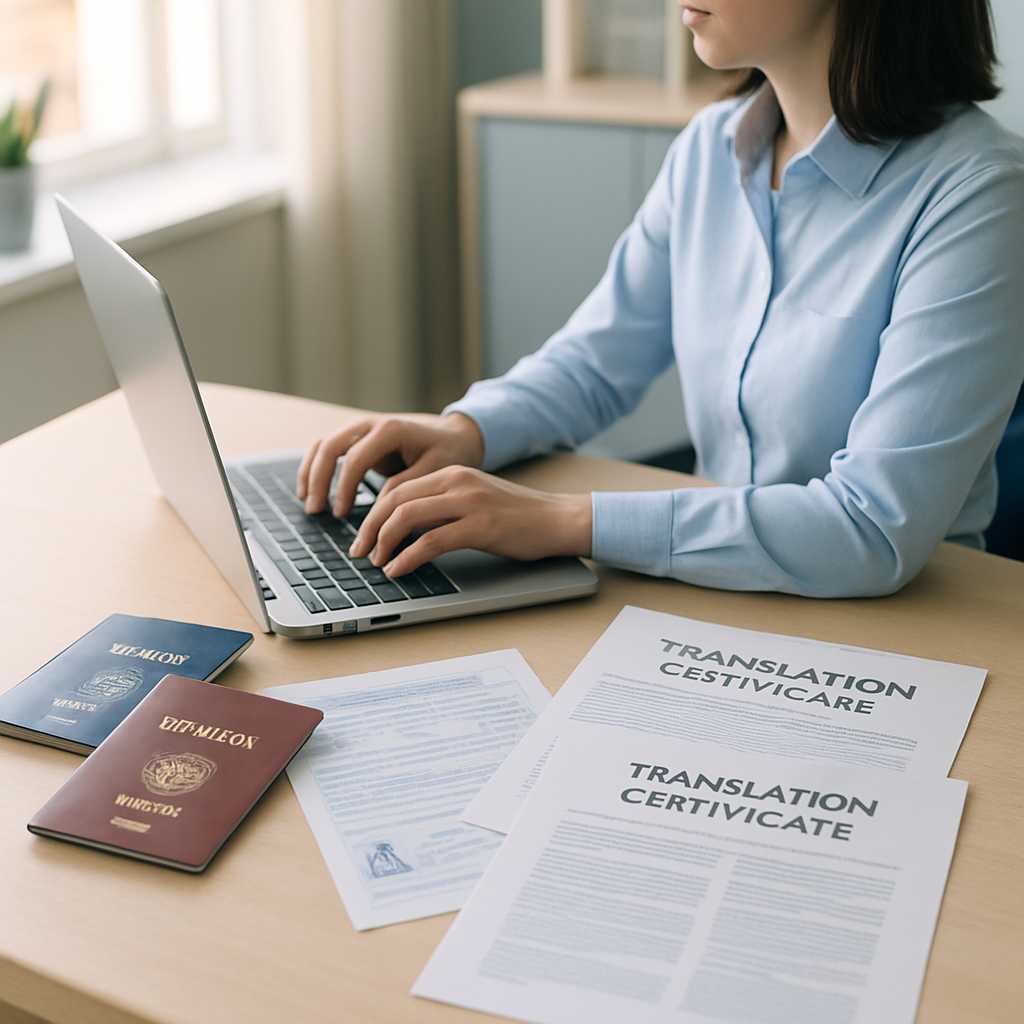


Understanding the Importance of Document Translation for Immigration
When applying for immigration, the accuracy and clarity of your documents are paramount. Many countries, including the UK, require that all non-English documents be translated into English. This ensures that immigration officials can accurately assess your application. A precise translation can significantly impact the outcome of your immigration process, making it essential to choose a qualified translator.
In this guide, we will explore the various aspects of translating documents into English for immigration purposes, including the types of documents commonly required, the translation process, and tips for ensuring your translations meet official standards.
Types of Documents That Require Translation
Immigration applications often require a variety of documents to be translated. Here are some of the most common:
- Birth Certificates: Essential for proving identity and familial relationships.
- Marriage Certificates: Required to establish marital status.
- Academic Transcripts: Necessary for educational assessments.
- Employment Records: Important for proving work experience.
- Legal Documents: Such as divorce decrees or court orders.
Each of these documents must be translated accurately to avoid delays or rejections in the immigration process.
The Translation Process: Step-by-Step
1. Selecting a Qualified Translator
Choosing the right translator is crucial. Look for professionals who specialize in immigration document translation and have experience with the specific requirements of the immigration authority you are dealing with. Certified translators are often preferred, as their work is recognized by official bodies.
2. Preparing Your Documents
Before sending your documents for translation, ensure they are complete and legible. If possible, provide the translator with context about the documents, as this can aid in producing a more accurate translation.
3. Translation and Certification
The translator will convert your documents into English, ensuring that all information is accurately reflected. Once completed, a certification statement may be included, affirming that the translation is true and accurate to the best of the translator’s knowledge.
4. Review and Submission
After receiving the translated documents, review them for accuracy. It’s advisable to have a second pair of eyes look over the translations before submission to the immigration authority.
Why Certified Translations Matter
Certified translations carry a stamp or seal from the translator or translation agency, indicating that the translation is complete and accurate. Many immigration authorities require certified translations to ensure that the documents submitted are legitimate and trustworthy. Without certification, your application may be delayed or denied.
Common Mistakes to Avoid
When translating documents for immigration, several common pitfalls can lead to issues:
- Using Non-Certified Translators: Always opt for certified professionals to avoid complications.
- Neglecting to Translate All Documents: Ensure that every required document is translated, including any supplementary materials.
- Ignoring Formatting: Maintain the original formatting of documents to ensure clarity and professionalism.
Cost of Document Translation for Immigration
The cost of translating documents can vary widely based on several factors, including:
- Language Pair: Some languages are more complex and may cost more to translate.
- Document Type: Legal documents may require more expertise, thus increasing costs.
- Turnaround Time: Urgent translations typically incur higher fees.
It’s essential to obtain quotes from multiple translation services to find a balance between quality and affordability.
FAQs About Document Translation for Immigration
1. Do I need to translate all my documents for immigration?
Yes, all non-English documents must be translated into English for immigration applications.
2. How long does it take to translate documents for immigration?
The time required for translation varies based on the document type and the translator’s workload. Typically, it can take anywhere from a few days to a couple of weeks.
3. Can I translate my own documents for immigration?
While you can translate your own documents, most immigration authorities require certified translations from professional translators.
4. What happens if my documents are not translated correctly?
Incorrect translations can lead to delays, requests for additional information, or even rejection of your immigration application.
5. How can I find a certified translator for immigration documents?
Look for translation agencies that specialize in immigration services and check their certifications and reviews.
Conclusion
Translating documents into English for immigration is a critical step in the application process. By understanding the requirements and following best practices, you can ensure that your documents are accurately translated and certified, increasing your chances of a successful immigration application. For professional translation services, consider reaching out to certified translators who specialize in immigration documentation.