


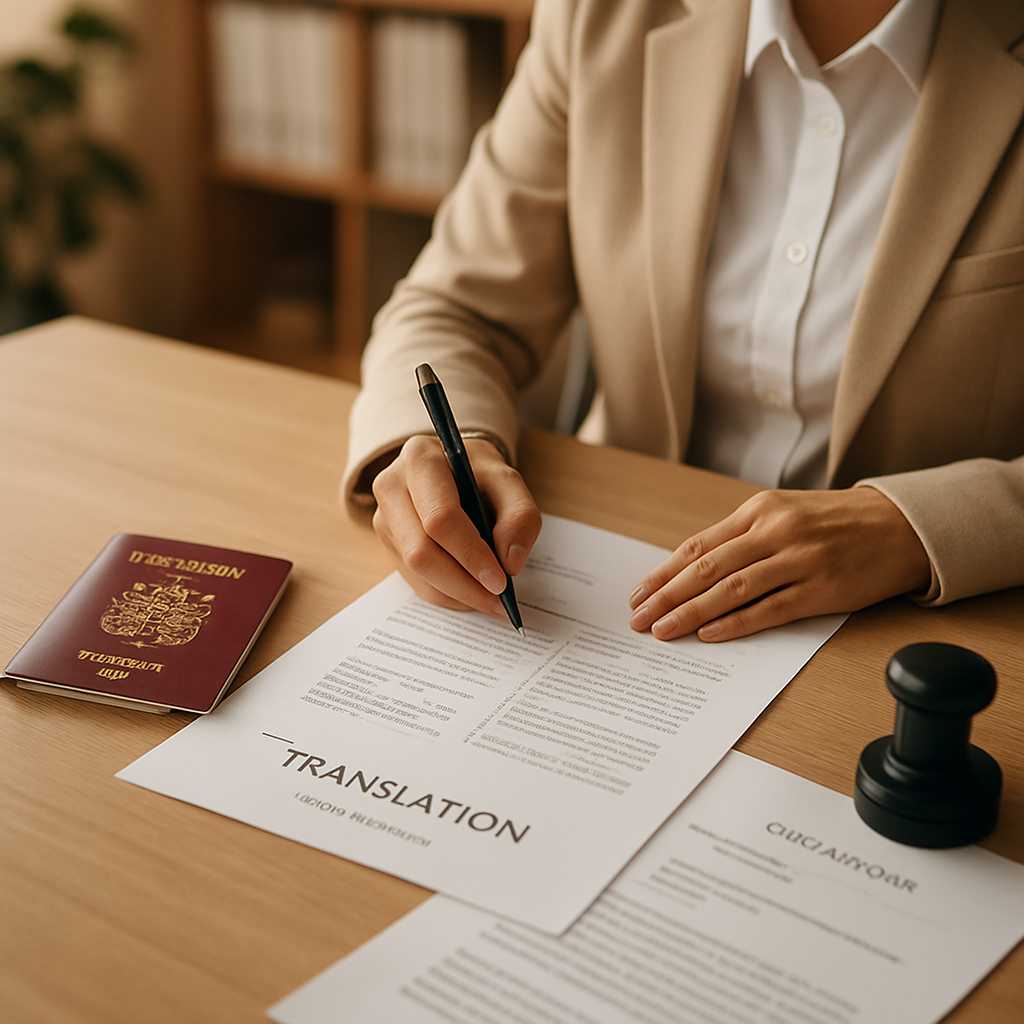
Understanding Notarized Translation of Passports
Notarized translation of a passport into Russian is a critical requirement for individuals seeking to use their passports in Russian-speaking countries. This process ensures that the translated document is legally recognized and accurately reflects the original content. Notarization adds a layer of authenticity, confirming that the translation has been performed by a qualified professional.
In many cases, authorities in Russia and other countries require notarized translations for various legal and administrative purposes. This includes visa applications, residency permits, and other official documentation. Understanding the rules surrounding notarized translations is essential for ensuring compliance and avoiding potential issues.
Why Notarization Matters
Notarization serves several important functions in the translation process:
- Authenticity: A notarized translation verifies that the translator is qualified and that the translation is accurate.
- Legal Acceptance: Many institutions, including government agencies, require notarized translations to accept documents as valid.
- Protection Against Fraud: Notarization helps prevent fraudulent activities by ensuring that the translation is linked to a verified translator.
Who Needs a Notarized Translation?
Individuals who may need a notarized translation of their passport into Russian include:
- Those applying for a visa to Russia or other Russian-speaking countries.
- Individuals seeking residency or citizenship in Russia.
- Students planning to study in Russia.
- Business professionals conducting transactions or establishing businesses in Russian-speaking regions.
Steps to Obtain a Notarized Translation
The process of obtaining a notarized translation of a passport into Russian involves several key steps:
1. Choose a Qualified Translator
It is crucial to select a translator who is not only fluent in both languages but also familiar with the specific requirements for notarization. Look for translators who are certified and have experience in legal translations.
2. Prepare Your Documents
Ensure that your original passport is ready for translation. This includes having all pages available, as some authorities may require translations of all information, including endorsements and visas.
3. Translation Process
The translator will convert the text of your passport into Russian, ensuring that all details are accurately represented. This includes personal information, passport numbers, and any other relevant data.
4. Notarization
After the translation is complete, the translator must sign the document in the presence of a notary public. The notary will then affix their seal, confirming the authenticity of the translation.
5. Delivery of Documents
Once notarized, the translated passport can be delivered to you. Ensure that you keep both the original and the translated documents safe, as you may need to present them during your application process.
Acceptance Criteria for Notarized Translations
Different authorities may have varying acceptance criteria for notarized translations. Here are some common requirements:
- Accuracy: The translation must be a true and complete representation of the original document.
- Format: The translated document should maintain the same format as the original, including layout and structure.
- Certification: The translator must provide a certification statement confirming their qualifications and the accuracy of the translation.
Common Pitfalls to Avoid
When obtaining a notarized translation of a passport into Russian, be aware of these common pitfalls:
- Using Unqualified Translators: Ensure that the translator is certified and experienced in legal translations.
- Incomplete Translations: Make sure all relevant pages of the passport are translated.
- Ignoring Notarization: Failing to notarize the translation can lead to rejection by authorities.
Frequently Asked Questions
1. What is a notarized translation of a passport?
A notarized translation of a passport is a certified translation that has been signed and sealed by a notary public, confirming its accuracy and authenticity.
2. Why do I need a notarized translation for my passport?
Many authorities require notarized translations to ensure that the documents are legally recognized and accurately reflect the original content.
3. How long does it take to get a notarized translation?
The time required for a notarized translation can vary depending on the translator’s workload, but it typically takes a few days to a week.
4. Can I translate my own passport?
Self-translations are generally not accepted for official purposes. It is advisable to use a certified translator for notarized translations.
5. What should I do if my translation is rejected?
If your notarized translation is rejected, contact the authority for clarification and consider obtaining a new translation from a qualified professional.
Conclusion
Obtaining a notarized translation of your passport into Russian is a crucial step for anyone looking to navigate legal and administrative processes in Russian-speaking countries. By understanding the rules and acceptance criteria, you can ensure that your documents are prepared correctly and avoid unnecessary delays. For further assistance, consider reaching out to certified translation services that specialize in notarized translations.