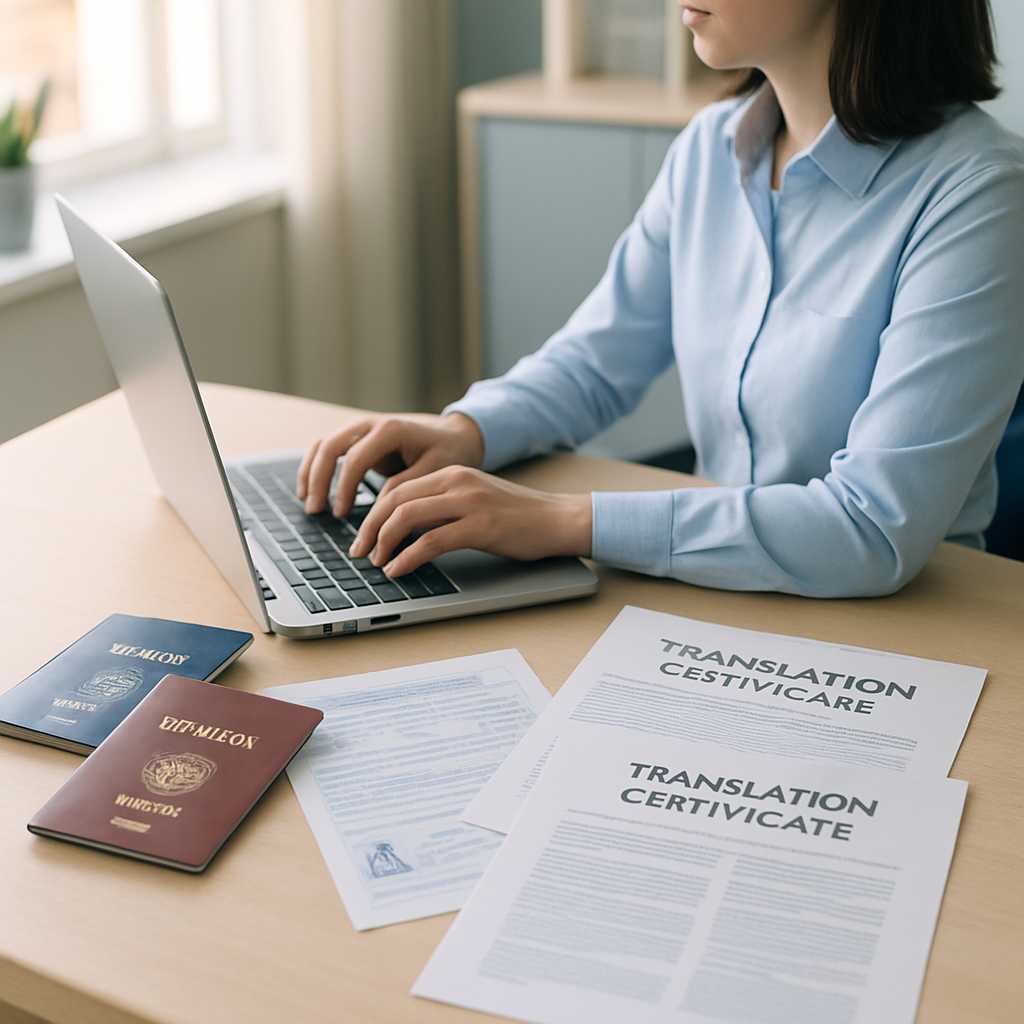


Understanding the Need to Translate a Passport
Translating a passport into Spanish is often a crucial step for individuals who are planning to travel, study, or work in Spanish-speaking countries. A passport is not just a travel document; it serves as a vital identification tool that may be required for various legal and administrative processes. Whether you are applying for a visa, enrolling in a school, or seeking employment, having an accurate translation of your passport can facilitate these processes significantly.
Moreover, many institutions and government bodies require certified translations to ensure that the documents are authentic and accurately reflect the original content. This is particularly important in legal contexts where misinterpretations can lead to complications.
What is Involved in Translating a Passport?
The translation of a passport involves converting the text from the original language into Spanish while maintaining the integrity and meaning of the document. This includes translating personal information such as:
- Name
- Date of birth
- Passport number
- Nationality
- Expiration date
Each of these elements must be translated accurately to avoid any discrepancies that could lead to issues during travel or legal proceedings.
Steps to Translate Your Passport into Spanish
1. Gather Necessary Documents
Before starting the translation process, ensure you have the original passport and any other relevant documents that might be needed for context. This may include previous translations or additional identification documents.
2. Choose a Qualified Translator
It is essential to select a translator who is not only fluent in Spanish but also familiar with the legal terminology used in passports. Look for certified translation services that specialize in legal documents. A professional translator will ensure that the translation meets the required standards for accuracy and authenticity.
3. Provide Context
When submitting your passport for translation, provide any necessary context that might help the translator understand the purpose of the translation. This could include information about where the translation will be used, such as for a visa application or legal proceedings.
4. Review the Translation
Once the translation is complete, review it carefully. Ensure that all personal information is accurate and that the translation reflects the original document’s intent. If possible, have a second set of eyes review the translation to catch any potential errors.
5. Obtain Certification
For many official purposes, a certified translation is required. This means that the translator must provide a signed statement attesting to the accuracy of the translation. Ensure that your translator can provide this certification.
Common Mistakes to Avoid When Translating a Passport
Translating a passport may seem straightforward, but there are common pitfalls that can lead to complications:
- Inaccurate Personal Information: Ensure that names, dates, and other personal details are translated correctly. Even a small error can lead to significant issues.
- Ignoring Certification Requirements: Many institutions require certified translations. Failing to obtain this can result in the rejection of your documents.
- Using Automated Translation Tools: While tools like Google Translate can be helpful for basic understanding, they are not suitable for official documents. Always use a professional translator.
Why Choose Professional Translation Services?
Professional translation services offer several advantages:
- Accuracy: Professionals are trained to ensure that translations are accurate and culturally appropriate.
- Certification: Many services provide certification, which is often required for legal documents.
- Experience: Experienced translators understand the nuances of legal language and can navigate complex terminology.
FAQs About Translating a Passport into Spanish
1. Do I need to translate my passport for a visa application?
Yes, many countries require a translated passport as part of the visa application process. Always check the specific requirements of the country you are applying to.
2. How long does it take to translate a passport?
The time required for translation can vary based on the service provider and their workload. Generally, it can take anywhere from a few hours to a couple of days.
3. Can I translate my passport myself?
While you can translate your passport, it is not recommended for official purposes. Certified translations are often required, which means a professional translator must perform the work.
4. What is the cost of translating a passport into Spanish?
The cost can vary based on the service provider, the complexity of the document, and the required turnaround time. It is best to request quotes from multiple services.
5. What should I do if I find an error in my translated passport?
If you find an error, contact your translator immediately to have it corrected. It is crucial to address any inaccuracies before submitting the document for official use.
Conclusion
Translating a passport into Spanish is a vital step for anyone needing to navigate legal or administrative processes in Spanish-speaking countries. By following the outlined steps and avoiding common mistakes, you can ensure that your translation is accurate and meets all necessary requirements. For professional translation services, consider reaching out to experts who specialize in certified translations to facilitate your needs.
Call to Action
If you need assistance translating your passport into Spanish, contact us today for professional and certified translation services. Our team is ready to help you with all your translation needs.