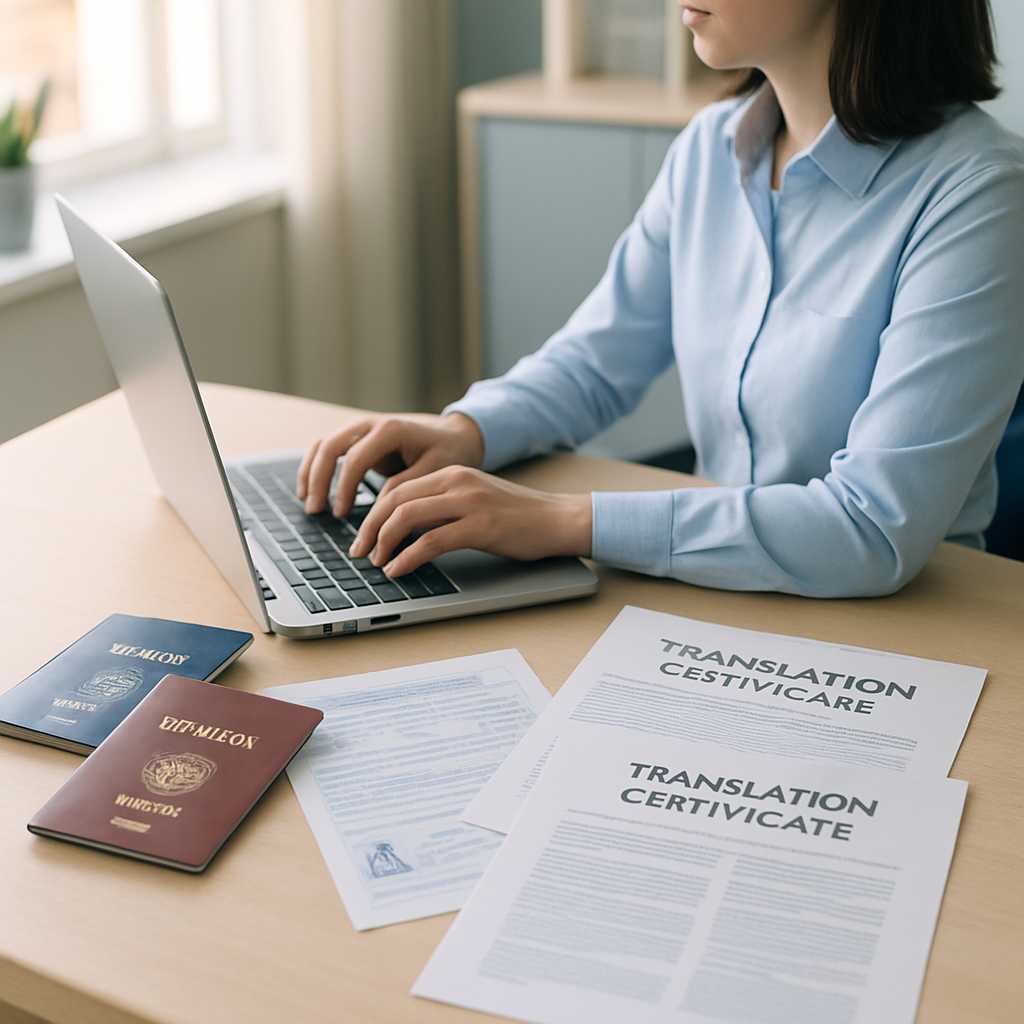



Understanding Home Office Translation Requirements
When applying for UK immigration, understanding the home office translation requirements is crucial. These requirements dictate how documents must be translated to ensure they are accepted by the Home Office. This guide will cover the necessary documents, the required format for translations, and the certification process.
Key Documents That Require Translation
Several documents may need translation when submitting an application to the Home Office. These typically include:
- Birth Certificates: Essential for proving identity and familial relationships.
- Marriage Certificates: Required for spousal visa applications.
- Academic Transcripts: Necessary for student visa applications.
- Employment Letters: Important for work visa applications.
- Passports: Must be translated if not in English.
Each document serves a specific purpose in the application process, and ensuring accurate translation is vital to avoid delays or rejections.
Format Requirements for Translations
The format of translated documents is just as important as the content. The Home Office has specific guidelines that must be followed:
Document Presentation
Translations should be presented in a clear and professional manner. This includes:
- Using a standard font and size for readability.
- Maintaining the original layout of the document.
- Including any official stamps or seals if applicable.
Language and Terminology
Translations must be done in formal English, avoiding colloquialisms or informal language. It’s essential to use the correct terminology, particularly for legal or technical documents.
Certification of Translations
Certification is a critical aspect of the translation process for Home Office submissions. A certified translation is one that is accompanied by a signed statement from the translator or translation company, affirming that the translation is accurate and complete.
Who Can Certify Translations?
Certifications can be provided by:
- Professional translators who are members of recognized bodies.
- Translation agencies that offer certified services.
- Notaries public in some cases.
What Should a Certification Statement Include?
A proper certification statement should include:
- The translator’s name and qualifications.
- A declaration of accuracy.
- The date of the translation.
- The contact information of the translator or agency.
Common Pitfalls to Avoid
When preparing translations for the Home Office, applicants often encounter several common pitfalls:
Using Unqualified Translators
One of the biggest mistakes is opting for unqualified translators or free services. This can lead to inaccuracies that may jeopardize the application.
Ignoring Formatting Guidelines
Failing to adhere to the Home Office’s formatting requirements can result in rejections. Always ensure that the translated document mirrors the original in layout and style.
Overlooking Certification
Submitting translations without proper certification is a frequent oversight. Always ensure that your translations are certified to avoid delays.
FAQs About Home Office Translation Requirements
What documents need to be translated for a UK visa?
Common documents include birth certificates, marriage certificates, academic transcripts, and passports.
Can I translate my own documents for the Home Office?
No, self-translations are not accepted. You must use a certified translator.
How do I find a certified translator?
Look for translators who are members of recognized professional bodies or agencies that specialize in certified translations.
What is the cost of certified translation services?
Costs can vary widely depending on the document type and language pair. It’s advisable to get quotes from multiple providers.
How long does it take to get documents translated?
Translation times can vary based on the document’s complexity and the translator’s workload. Typically, expect a turnaround of 3-5 business days for standard documents.
Conclusion
Understanding the home office translation requirements is essential for a successful immigration application. By ensuring that all necessary documents are accurately translated and certified, applicants can avoid common pitfalls and enhance their chances of approval. For professional assistance, consider reaching out to certified translation services that specialize in Home Office requirements.