

Understanding Home Office Translation Jobs
Home office translation jobs involve translating documents that are required for various official processes, particularly in immigration and legal contexts. These jobs are crucial for individuals seeking to navigate the complexities of immigration, visa applications, and other official matters that require precise and certified translations. As globalization continues to increase, the demand for skilled translators in this field is on the rise.
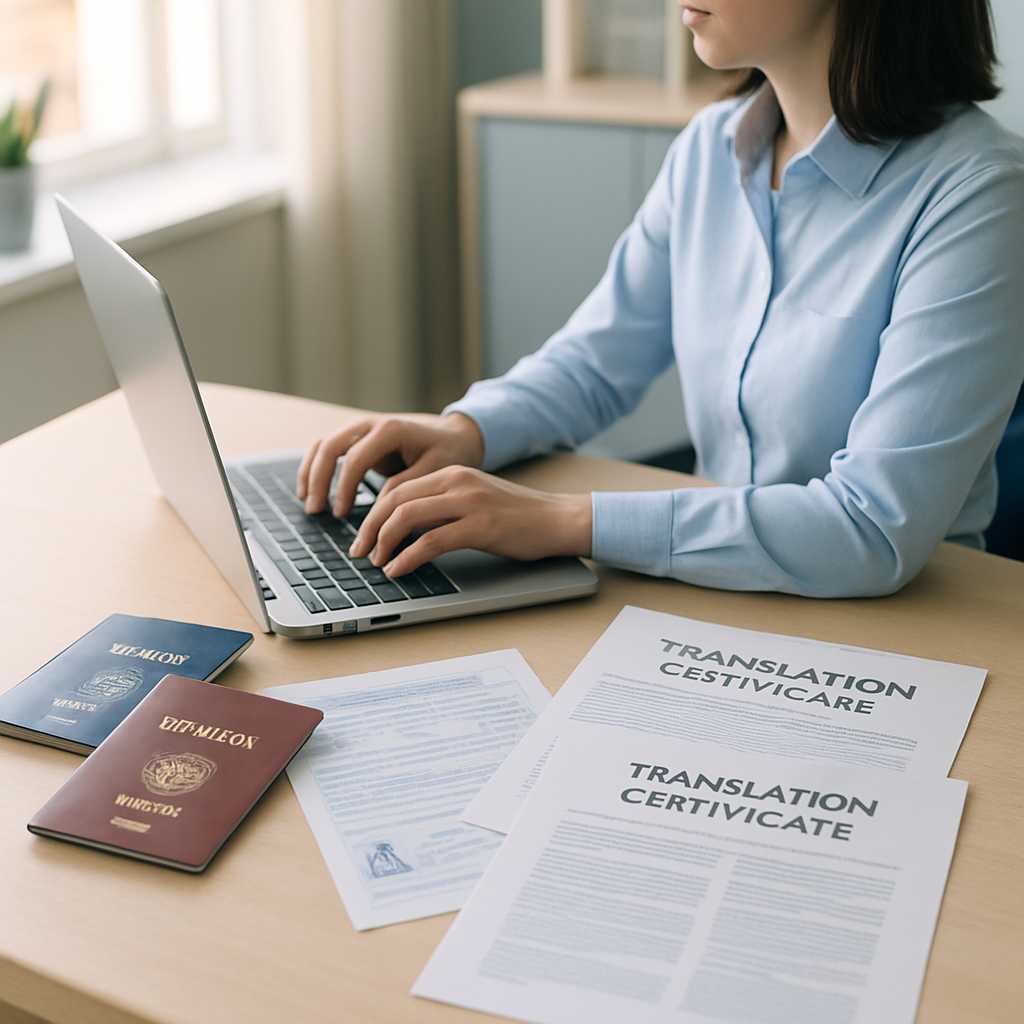
In the UK, home office translation jobs are often associated with translating documents such as birth certificates, marriage certificates, academic transcripts, and legal documents. These translations must be certified to ensure they meet the standards set by the Home Office and other governmental bodies.
The Importance of Certified Translations
Certified translations are essential for any document that will be submitted to government agencies. A certified translation provides assurance that the translation is accurate and complete, which is crucial for legal and immigration purposes. The Home Office requires that all translations submitted as part of a visa application or other official process be certified by a professional translator or translation service.
When applying for a visa, for example, applicants must submit certified translations of their documents if those documents are not in English. This requirement helps to prevent misunderstandings and ensures that all parties have a clear understanding of the content of the documents.
How to Work with Certified Documents
1. Know the Requirements
Before starting any translation job, it’s vital to understand the specific requirements set forth by the Home Office or other relevant authorities. This includes knowing which documents need to be translated, the format required, and any specific certifications that must accompany the translations.
2. Choose a Qualified Translator
Working with a qualified translator is crucial for ensuring that your documents are translated accurately. Look for translators who are certified and have experience in translating documents for immigration and legal purposes. They should be familiar with the terminology and requirements specific to the Home Office.
3. Prepare Your Documents
Ensure that the documents you need translated are complete and legible. If the documents are not in good condition, it may affect the quality of the translation. Additionally, provide any context that may help the translator understand the purpose of the documents.
4. Review the Translation
Once the translation is complete, review it carefully. Ensure that all information is accurate and that the translation reflects the original document’s content. If possible, have a second pair of eyes review the translation to catch any potential errors.
5. Obtain Certification
After reviewing the translation, the translator should provide a certification statement. This statement confirms that the translation is accurate and complete. It should be signed and dated by the translator, along with their contact information and credentials.
Common Documents for Home Office Translation Jobs
Several types of documents frequently require translation for home office jobs. Understanding these can help you prepare better:
- Birth Certificates: Often required for visa applications and citizenship processes.
- Marriage Certificates: Necessary for family reunification applications.
- Academic Transcripts: Required for educational purposes, especially for international students.
- Legal Documents: Such as contracts, court documents, and affidavits.
Career Opportunities in Home Office Translation
The field of home office translation offers various career opportunities for skilled translators. Here are some potential paths:
Freelance Translation
Many translators choose to work as freelancers, offering their services to individuals and businesses. This path allows for flexibility and the ability to work with a diverse range of clients.
In-House Translator
Some companies and organizations hire in-house translators to manage their translation needs. This role often involves working closely with legal and HR departments to ensure compliance with regulations.
Translation Agencies
Working for a translation agency can provide a steady stream of work and the opportunity to collaborate with other professionals in the field. Agencies often handle a variety of projects, providing exposure to different types of translation work.
Skills Required for Home Office Translation Jobs
To succeed in home office translation jobs, certain skills are essential:
- Language Proficiency: A deep understanding of both the source and target languages is crucial.
- Cultural Awareness: Understanding cultural nuances can significantly impact the accuracy of translations.
- Attention to Detail: Precision is key in legal and official documents.
- Research Skills: The ability to research terminology and context is vital for accurate translations.
FAQs about Home Office Translation Jobs
What are home office translation jobs?
Home office translation jobs involve translating documents required for immigration and legal processes, ensuring they are certified and meet official standards.
Why are certified translations necessary?
Certified translations are necessary to ensure that documents submitted to government agencies are accurate and complete, preventing misunderstandings.
What types of documents typically require translation?
Common documents include birth certificates, marriage certificates, academic transcripts, and legal documents.
How can I find a qualified translator?
Look for certified translators with experience in legal and immigration translations, and check their credentials and reviews.
What skills are needed for home office translation jobs?
Essential skills include language proficiency, cultural awareness, attention to detail, and strong research abilities.
Conclusion
Home office translation jobs play a vital role in facilitating communication and understanding in official matters. By working with certified documents and qualified translators, individuals can navigate the complexities of immigration and legal processes more effectively. Whether you are considering a career in translation or need translation services for your documents, understanding the requirements and best practices is essential for success.