

Understanding Home Office Translation
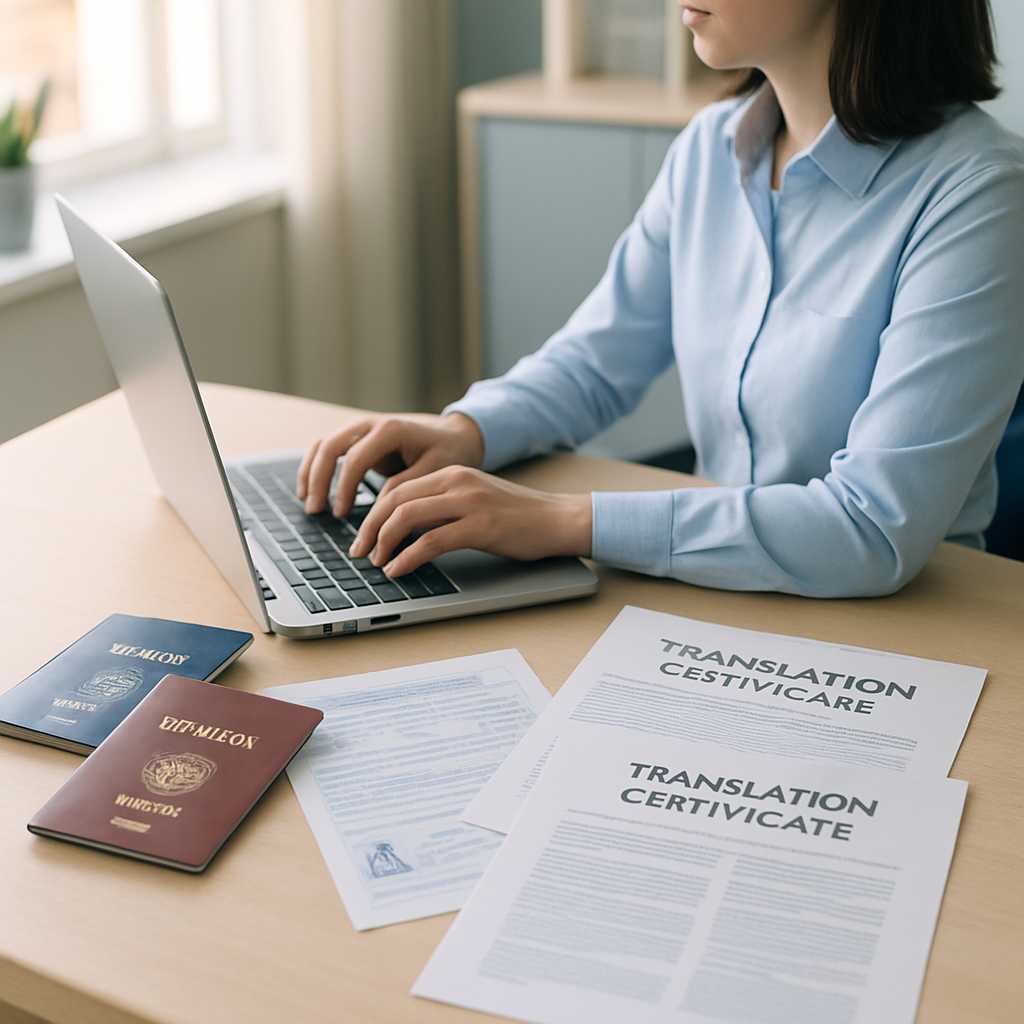
Home office translation refers to the process of translating documents that are required for various applications and processes related to the UK Home Office. This includes immigration applications, visa requests, and citizenship applications. Certified translations are essential in these cases to ensure that the translated documents are accepted by the Home Office and other authorities.
Certified translations are performed by professional translators who provide a signed statement confirming the accuracy of the translation. This certification is crucial as it assures the receiving authority that the translation is a true and accurate representation of the original document.
Why Certified Translation Matters
When dealing with immigration and legal matters, the accuracy of documents is paramount. The Home Office requires certified translations to prevent any misunderstandings or misinterpretations that could affect the outcome of an application. Submitting unverified translations can lead to delays, rejections, or even legal issues.
Furthermore, certified translations are often required for specific documents, and understanding which documents need this level of translation is essential for anyone navigating the immigration process.
Documents That Typically Require Certified Translation
Several types of documents may require certified translation for Home Office applications. Here’s a comprehensive list:
- Birth Certificates: Essential for proving identity and familial relationships.
- Marriage Certificates: Required for spousal visa applications and family reunification.
- Divorce Certificates: Necessary for individuals who have been previously married and are applying for a visa.
- Academic Transcripts: Important for students applying for study visas.
- Employment Letters: Required for work visa applications to verify employment status.
- Passports: Must be translated if they are not in English.
- Medical Records: Sometimes required for certain visa applications.
- Police Clearance Certificates: Necessary for proving good character.
Home Office Rules on Certified Translations
The Home Office has specific rules regarding certified translations. These include:
- Translations must be done by a qualified translator or translation service.
- The translator must provide a signed statement confirming the accuracy of the translation.
- Translations must be clear and legible, with no alterations to the original document’s content.
- Documents should be translated in full, including any stamps or seals.
Choosing a Certified Translation Service
When selecting a certified translation service, consider the following:
- Qualifications: Ensure the translators are certified and experienced in legal and immigration translations.
- Turnaround Time: Check if the service can meet your deadlines, especially if you have a tight application schedule.
- Reviews and Testimonials: Look for feedback from previous clients to gauge the quality of service.
- Cost: Compare prices but be wary of unusually low rates, which may indicate subpar quality.
Common Pitfalls to Avoid
When dealing with certified translations for Home Office applications, avoid these common pitfalls:
- Using Non-Certified Translators: Always opt for certified professionals to ensure acceptance.
- Incomplete Translations: Ensure all parts of the document are translated, including notes and annotations.
- Ignoring Formatting: Maintain the original document’s format to avoid confusion.
FAQs About Home Office Translation
1. What is a certified translation?
A certified translation is a translation that comes with a signed statement from the translator or translation service, affirming that the translation is accurate and complete.
2. Do all documents need certified translation for the Home Office?
No, not all documents require certified translation. However, key documents such as birth certificates, marriage certificates, and passports typically do.
3. How long does it take to get a certified translation?
The turnaround time for certified translations can vary depending on the service provider and the document’s complexity. It’s advisable to request this information upfront.
4. Can I translate my own documents for the Home Office?
No, the Home Office does not accept self-translations. Only certified translators can provide the necessary certification.
5. What happens if my documents are not properly translated?
If documents are not properly translated, it can lead to delays, rejections, or complications in your application process.
Conclusion
Understanding the requirements for home office translation is crucial for anyone navigating the UK immigration system. By ensuring that you have the correct documents translated by certified professionals, you can avoid unnecessary complications and streamline your application process. For more information on certified translation services, visit our Certified Translation Services page.