


Understanding Home Office Certified Translation Requirements
When applying for a UK visa or residency, one of the critical steps is ensuring that your documents are accurately translated and certified. The home office certified translation requirements are specific guidelines that must be adhered to in order to avoid delays or rejections in your application process. This guide will provide a comprehensive overview of these requirements, ensuring you are well-prepared.
What is Certified Translation?
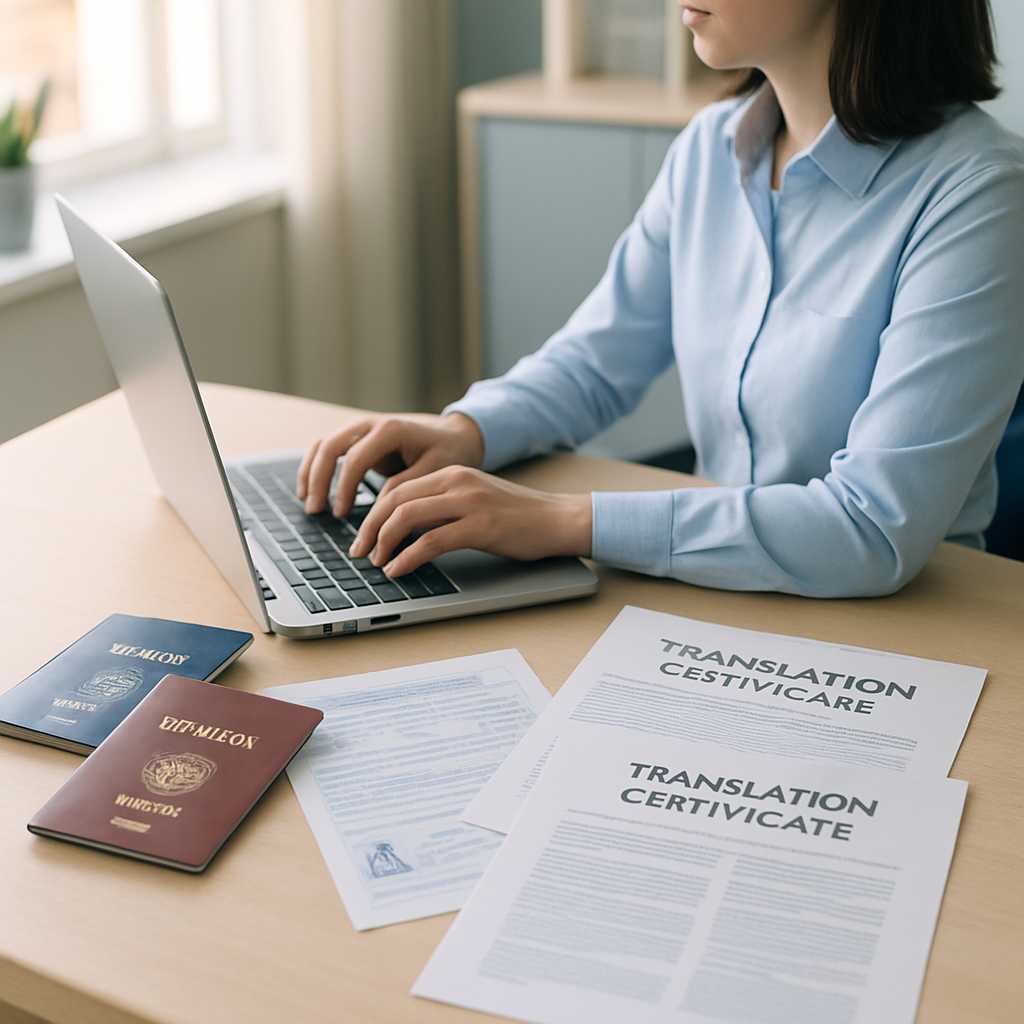
Certified translation refers to the process of translating documents by a qualified translator who provides a signed statement affirming the accuracy of the translation. This certification is crucial for legal and official documents, especially when dealing with immigration matters. The UK Home Office requires certified translations for various documents, including:
- Birth certificates
- Marriage certificates
- Academic transcripts
- Legal documents
Key Requirements for Home Office Certified Translations
To ensure your translations meet the home office certified translation requirements, consider the following:
1. Qualifications of the Translator
The translator must be a professional with recognized qualifications. They should ideally be a member of a professional body, such as the Institute of Translation and Interpreting (ITI) or the Chartered Institute of Linguists (CIOL). This ensures that the translator has the necessary skills and expertise to provide accurate translations.
2. Certification Statement
A certification statement is a crucial component of certified translations. This statement should include:
- The translator’s name and signature
- The date of the translation
- A declaration of the translator’s qualifications
- A statement affirming the accuracy of the translation
3. Document Formatting
Translations must be formatted to match the original document as closely as possible. This includes maintaining the layout, headings, and any official seals or stamps. The Home Office may reject translations that do not adhere to this requirement.
4. Language Proficiency
The translator must be fluent in both the source and target languages. This proficiency ensures that nuances and context are preserved in the translation, which is vital for legal and official documents.
Common Documents Requiring Certified Translation
When applying for a UK visa or residency, you may need to submit various documents that require certified translation. Some of the most common include:
Birth Certificates
Birth certificates are often required for visa applications, especially for dependents. Ensure that the translation includes all details, such as the full name, date of birth, and place of birth.
Marriage Certificates
For applicants who are married, a certified translation of the marriage certificate may be necessary. This document should clearly state the names of both parties and the date of marriage.
Academic Transcripts
Students applying for educational visas must provide certified translations of their academic transcripts. This includes details of courses taken, grades achieved, and the institution’s name.
Legal Documents
Any legal documents, such as divorce decrees or custody agreements, must also be translated and certified. These documents often require additional scrutiny, so accuracy is paramount.
How to Choose a Certified Translation Service
Selecting the right certified translation service is essential for ensuring compliance with home office requirements. Here are some tips:
1. Check Qualifications
Ensure that the translation service employs qualified translators who are members of recognized professional bodies. This can provide peace of mind regarding the quality of the translations.
2. Read Reviews
Look for reviews and testimonials from previous clients. This feedback can provide insights into the reliability and quality of the service.
3. Request Samples
Some translation services may provide sample translations. Reviewing these can help you gauge the quality and accuracy of their work.
4. Understand Pricing
Get a clear understanding of the pricing structure. Certified translations may vary in cost, so ensure you know what you are paying for and if there are any additional fees.
FAQs about Home Office Certified Translation Requirements
What is the difference between certified and standard translation?
Certified translation includes a signed statement from the translator affirming the accuracy of the translation, while standard translation does not carry this certification.
Do I need to translate all documents for my visa application?
Not all documents require translation. Only those that are not in English and are required by the Home Office need to be certified and translated.
How long does it take to get a certified translation?
The time required for certified translations can vary depending on the document’s length and the service provider. Generally, it can take anywhere from a few days to a week.
Can I translate my own documents?
No, the Home Office does not accept self-translations. All documents must be translated by a qualified professional.
What happens if my translation is rejected?
If your translation is rejected, you may need to provide a new translation that meets the Home Office’s requirements. This can delay your application process.
Conclusion
Understanding the home office certified translation requirements is essential for a smooth visa application process. By ensuring that your documents are accurately translated and certified, you can avoid unnecessary delays and complications. For professional certified translation services, consider reaching out to experts who can guide you through the process.