

Understanding Home Office Approved Arabic Translation
Home Office approved Arabic translation is essential for individuals applying for visas, residency, or citizenship in the UK. This type of translation ensures that all documents are accurately translated and meet the specific requirements set by the Home Office. It is crucial to understand what constitutes an approved translation to avoid common pitfalls that could delay or jeopardize your application.
What Is Home Office Approved Translation?
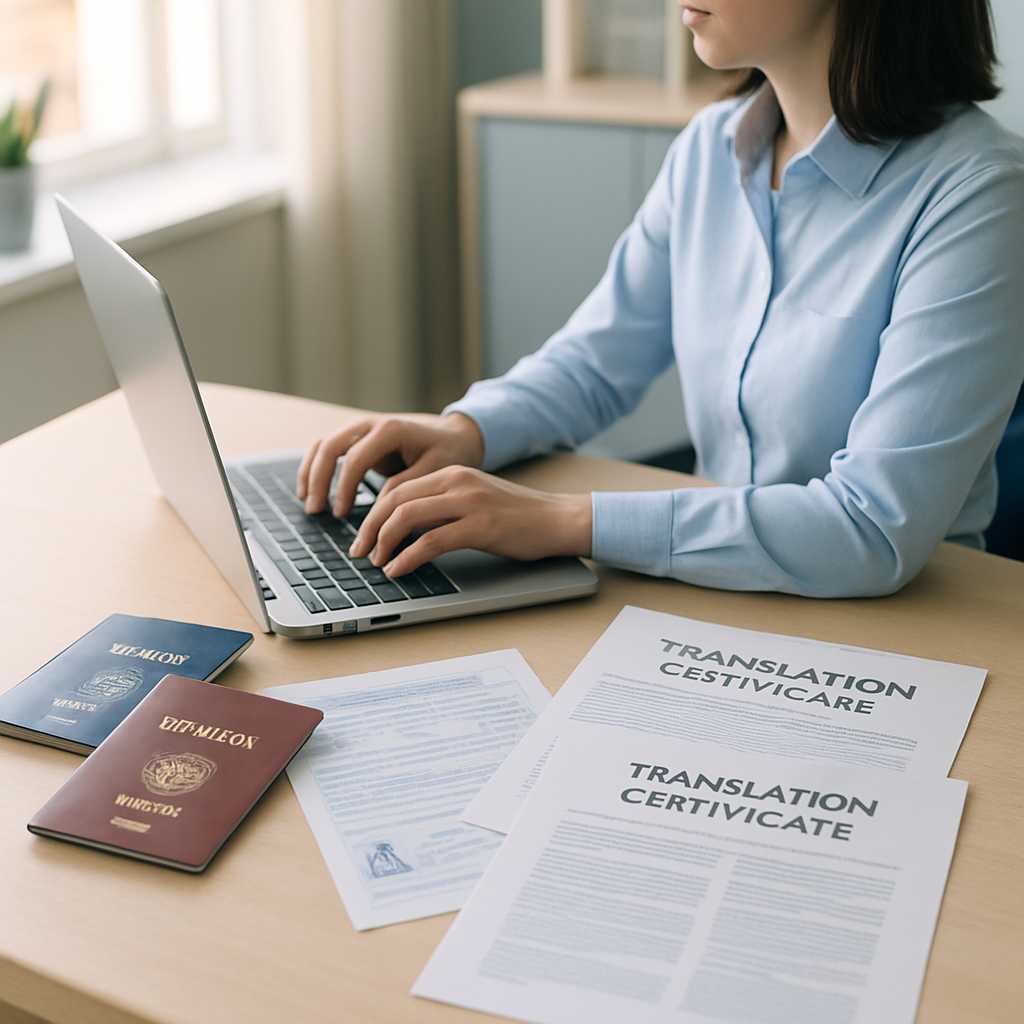
Home Office approved translation refers to translations that are certified and recognized by the UK Home Office. These translations must be completed by a qualified translator who is fluent in both Arabic and English and understands the legal terminology used in immigration documents. The translator must provide a signed statement confirming the accuracy of the translation, which is essential for the acceptance of documents such as birth certificates, marriage certificates, and academic transcripts.
Why Accurate Translation Matters
Accurate translation is vital for several reasons:
- Legal Compliance: The Home Office requires precise translations to ensure that all information is correctly interpreted. Any inaccuracies can lead to application rejections.
- Clarity: Clear translations help immigration officers understand the context and content of the documents, facilitating smoother processing.
- Trustworthiness: Submitting well-translated documents reflects professionalism and attention to detail, which can positively influence the outcome of your application.
Common Mistakes to Avoid in Home Office Approved Arabic Translation
When seeking home office approved Arabic translation, applicants often make several common mistakes. Understanding these pitfalls can help ensure that your documents are accepted without issues.
1. Choosing Unqualified Translators
One of the most significant mistakes is opting for unqualified translators. Many individuals may consider using friends or family members who speak Arabic, but this can lead to serious issues. Only certified translators with experience in legal and immigration documents should be engaged. They understand the nuances of both languages and the specific requirements of the Home Office.
2. Ignoring Document Formatting
Another common error is neglecting the formatting of the original documents. The Home Office requires that translations maintain the same format as the original documents. This includes headers, footers, and any official stamps or seals. Failure to replicate the format can lead to confusion and potential rejection of the application.
3. Failing to Include a Certification Statement
Every home office approved Arabic translation must include a certification statement from the translator. This statement should confirm that the translator is qualified and that the translation is accurate. Omitting this statement can result in the rejection of your documents.
4. Not Providing Context
Translations that lack context can lead to misunderstandings. For example, certain terms may have different meanings in legal contexts compared to everyday use. A qualified translator will provide context and explanations where necessary, ensuring that the translation is not only accurate but also comprehensible.
5. Overlooking Cultural Nuances
Cultural nuances play a significant role in translation. Certain phrases or terms may not have direct equivalents in English. A skilled translator will understand these nuances and provide appropriate translations that convey the intended meaning without losing the essence of the original text.
How to Ensure Quality in Your Arabic Translation
To avoid the common mistakes outlined above, consider the following tips when seeking home office approved Arabic translation:
1. Research Qualified Translators
Look for translators or translation services that specialize in legal and immigration documents. Check their credentials and reviews to ensure they have a proven track record of providing quality translations.
2. Request Samples
Before hiring a translator, request samples of their previous work. This will give you an idea of their translation style and accuracy. Ensure that they have experience with documents similar to yours.
3. Communicate Clearly
Provide clear instructions and context for your documents. The more information the translator has, the better they can tailor the translation to meet your needs.
4. Review the Translation
Once you receive the translation, review it carefully. Check for any discrepancies or errors. If possible, have a second qualified translator review the document to ensure accuracy.
5. Understand the Requirements
Familiarize yourself with the Home Office requirements for approved translations. This knowledge will help you ensure that your documents meet all necessary criteria.
FAQs About Home Office Approved Arabic Translation
What documents require home office approved Arabic translation?
Documents such as birth certificates, marriage certificates, academic transcripts, and any legal documents submitted for visa applications typically require home office approved Arabic translation.
How long does it take to get a home office approved Arabic translation?
The time required for translation can vary depending on the document’s complexity and the translator’s workload. Generally, it can take anywhere from a few days to a week.
Can I translate my own documents for the Home Office?
No, the Home Office does not accept self-translations. All documents must be translated by a qualified and certified translator.
What should I do if my translation is rejected?
If your translation is rejected, review the feedback provided by the Home Office. You may need to engage a different translator or ensure that the required certification statement is included.
Are there any costs associated with home office approved Arabic translation?
Yes, costs can vary based on the translator’s qualifications and the document’s complexity. It is advisable to obtain quotes from multiple translators to find a competitive rate.
Conclusion
Home office approved Arabic translation is a critical component of the immigration process. By avoiding common mistakes and ensuring that your documents are accurately translated, you can enhance your chances of a successful application. Always engage qualified translators, maintain document formatting, and include necessary certification statements to ensure compliance with Home Office requirements.