

Understanding Certified Translation
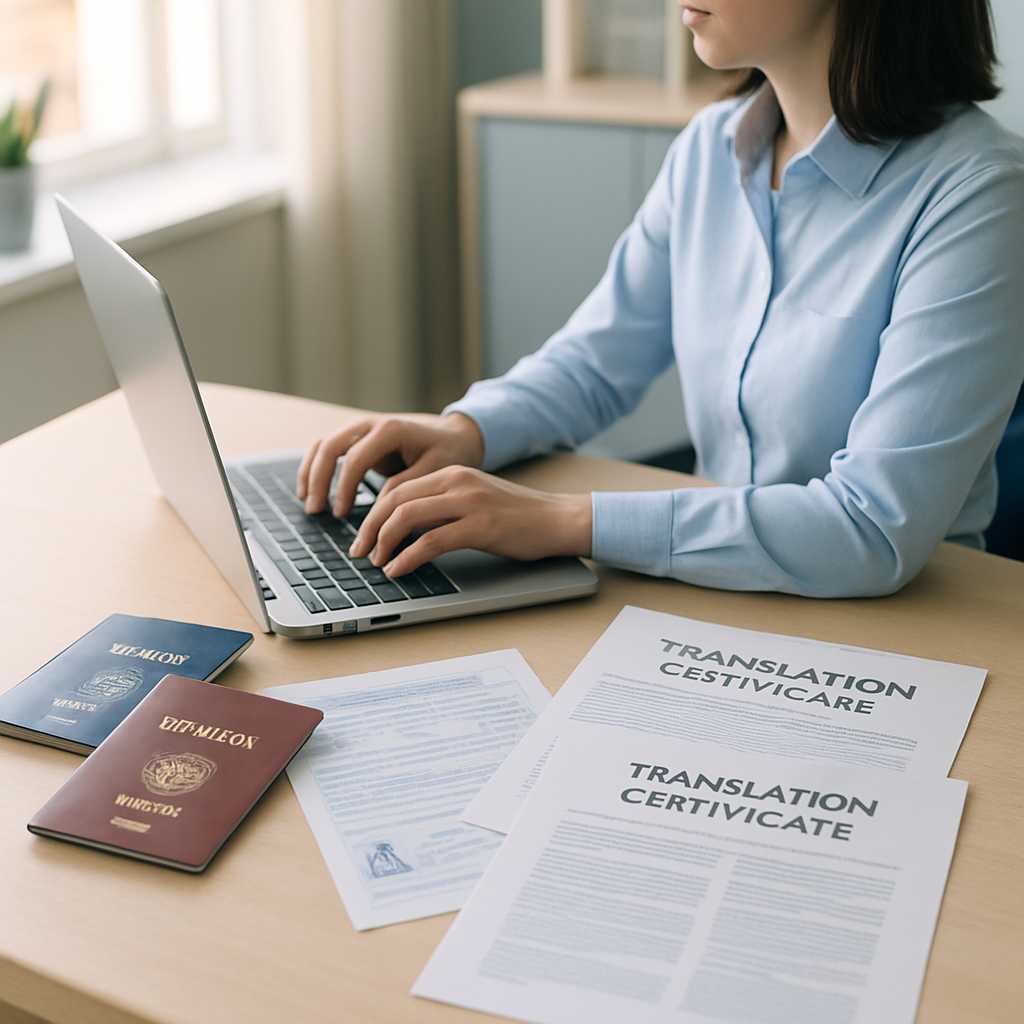
Certified translation is a crucial requirement for various official documents, particularly when applying for visas or residency in the UK. This type of translation ensures that the translated documents are accurate and meet the standards set by authorities such as the Home Office. A certified translation typically includes a signed statement from the translator or translation service, affirming the accuracy and completeness of the translation.
In the context of home office applications, certified translations are often required for documents like birth certificates, marriage certificates, academic transcripts, and other legal documents. The importance of certified translation cannot be overstated, as inaccuracies or omissions can lead to delays or rejections of applications.
Why You Need Certified Translation for Home Office Applications
The Home Office mandates certified translations to ensure that all submitted documents are comprehensible and legally valid. This requirement is particularly relevant for non-English documents, as the Home Office needs to verify the authenticity and content of these documents to process applications effectively.
Failure to provide certified translations can result in significant setbacks, including:
- Application delays
- Rejection of the application
- Additional costs for re-submission
Thus, understanding the necessity of certified translations is the first step in ensuring a smooth application process.
Step-by-Step Guide to Obtaining Certified Translation
Step 1: Identify Required Documents
The first step in the certified translation process is to identify which documents require translation. Common documents include:
- Birth certificates
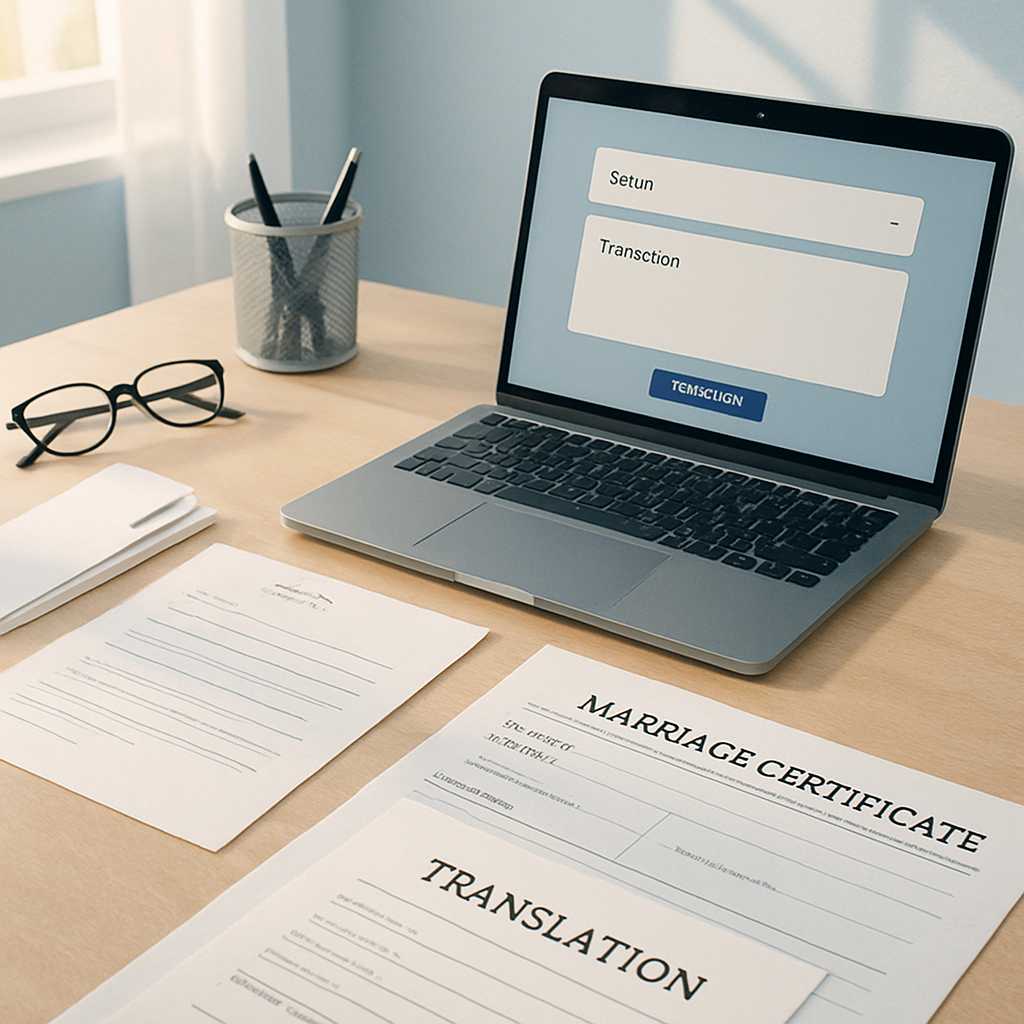
- Marriage certificates
- Academic transcripts
- Passports
- Legal documents
Make sure to check the specific requirements of the Home Office regarding which documents need to be translated and certified.
Step 2: Choose a Qualified Translation Service
Choosing the right translation service is critical. Look for a service that specializes in certified translations and has experience with home office applications. Key factors to consider include:
- Qualifications of translators
- Turnaround time
- Reviews and testimonials
- Cost of services
For instance, services like Best Certified Translation Services for Home Office in London can provide insights into reputable providers.
Step 3: Submit Your Documents
Once you have selected a translation service, submit your documents along with any specific instructions regarding the translation. Ensure that you provide clear guidelines on what needs to be translated and any formatting requirements.
Step 4: Review the Translated Documents
After the translation is completed, review the documents carefully. Check for accuracy, completeness, and adherence to any specific requirements set by the Home Office. If you notice any discrepancies, communicate with the translation service immediately for corrections.
Step 5: Obtain Certification
The final step is to ensure that the translation is certified. The translation service should provide a signed statement or certificate of accuracy, which is essential for submission to the Home Office. This certification confirms that the translation is a true and accurate representation of the original document.
Common Mistakes to Avoid
When obtaining certified translations for home office applications, avoiding common pitfalls is essential:
- Using Non-Certified Translators: Always use certified translators to ensure compliance with Home Office requirements.
- Ignoring Formatting Requirements: Pay attention to any specific formatting guidelines provided by the Home Office.
- Delaying Submission: Allow ample time for translation and certification to avoid last-minute issues.
FAQs About Certified Translation for Home Office Applications
1. What is a certified translation?
A certified translation is a translation that comes with a signed statement from the translator or translation service, affirming its accuracy and completeness.
2. Why do I need certified translation for home office applications?
The Home Office requires certified translations to ensure that all documents are accurate and legally valid for processing applications.
3. How long does it take to get a certified translation?
The turnaround time for certified translations can vary depending on the service provider and the number of documents. Generally, it can take anywhere from a few days to a couple of weeks.
4. Can I translate my own documents for home office applications?
No, the Home Office does not accept self-translations. You must use a certified translator or translation service.
5. What documents typically require certified translation?
Common documents include birth certificates, marriage certificates, academic transcripts, and legal documents.
Conclusion
Obtaining certified translation for home office applications is a critical step in ensuring that your application is processed smoothly and efficiently. By following the outlined steps and avoiding common mistakes, you can enhance your chances of a successful application. For more information on certified translation services, visit our page on Certified Translation for Home Office.