

Understanding the Need for Document Translation in UK Visa Applications
When applying for a UK visa, applicants often face the requirement to submit various documents, many of which may not be in English. This can include birth certificates, marriage certificates, academic transcripts, and more. The UK Home Office mandates that any document not in English must be accompanied by a certified translation. This requirement raises the question: can you translate your own documents for a UK visa?
In this article, we will explore the regulations surrounding self-translated documents, the potential risks involved, and the best practices to ensure your application is successful.
Can You Translate Your Own Documents for a UK Visa?
The short answer is: it depends. While you can technically translate your own documents, the UK Home Office has specific guidelines regarding who can provide a translation. According to their requirements, translations must be completed by a qualified translator or a translation service that is recognized by the Home Office.
Self-translations are generally not accepted unless you can prove your qualifications as a translator. This means that if you are not a professional translator, it is advisable to seek the services of a certified translation provider to avoid any complications with your visa application.
Why Professional Translation is Recommended
There are several reasons why opting for professional translation services is recommended when applying for a UK visa:
- Accuracy: Professional translators are trained to ensure that translations are accurate and convey the original meaning of the document. This is crucial for legal documents where even minor errors can lead to misunderstandings.
- Certification: Certified translations come with a declaration from the translator or translation service, confirming that the translation is accurate and complete. This certification is often required by the Home Office.
- Compliance: Professional translation services are familiar with the specific requirements set by the UK Home Office, ensuring that your documents meet all necessary criteria.
What Makes a Translation ‘Certified’?
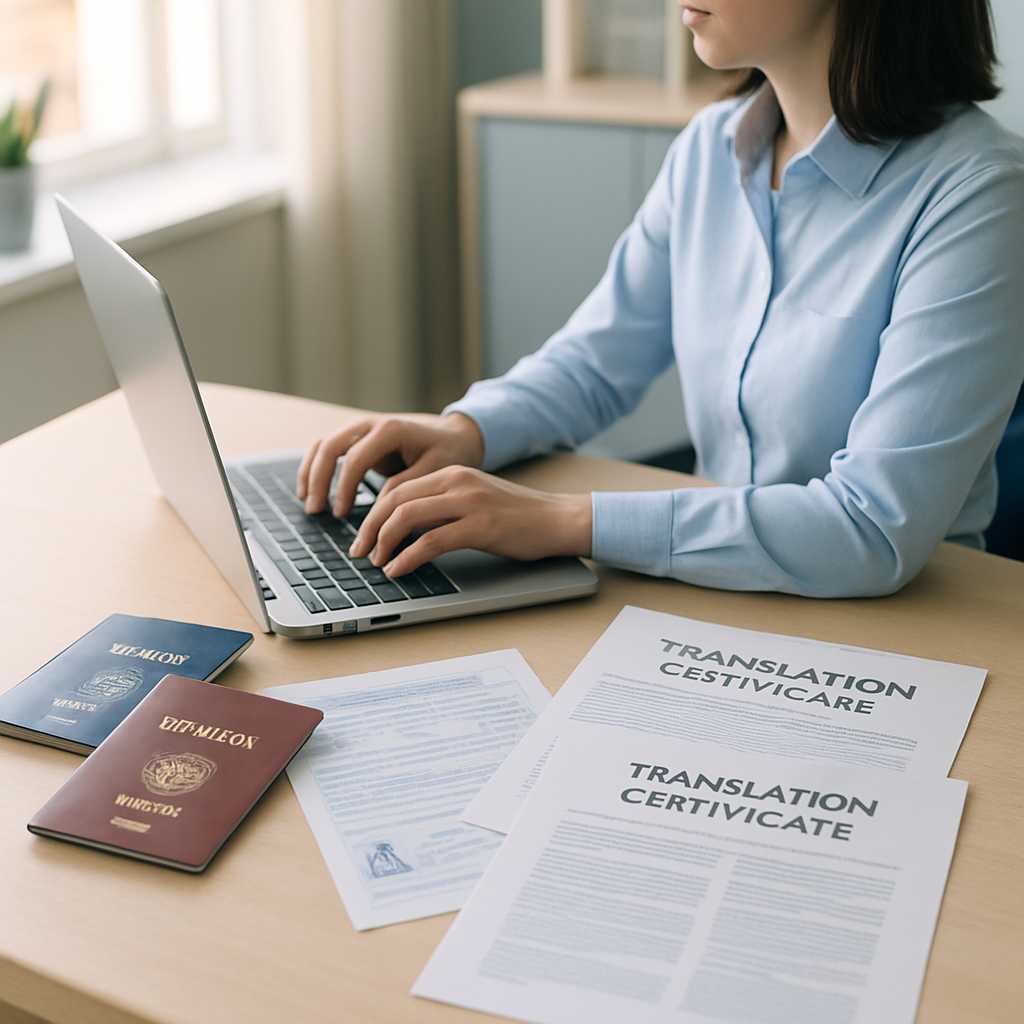
A certified translation is one that is accompanied by a signed statement from the translator or translation company, affirming that the translation is a true and accurate representation of the original document. This certification is essential for visa applications, as it provides the Home Office with assurance regarding the quality and reliability of the translation.
Typically, a certified translation includes:
- The translator’s qualifications and credentials
- A statement of accuracy
- The date of the translation
- The contact information of the translator or translation service
Common Documents That Require Translation for a UK Visa
When applying for a UK visa, you may need to translate various types of documents, including:
- Birth Certificates: Essential for proving identity and familial relationships.
- Marriage Certificates: Required for spousal visa applications.
- Academic Transcripts: Necessary for student visa applications.
- Employment Letters: Often needed for work visa applications.
Risks of Self-Translation
While self-translation may seem like a cost-effective solution, it carries significant risks:
- Rejection of Application: If the Home Office finds that your self-translated documents do not meet their standards, your visa application may be rejected.
- Delays: Any issues with your documents can lead to delays in processing your visa application, which can be particularly problematic if you have time-sensitive travel plans.
- Legal Implications: Inaccurate translations can lead to legal complications, especially if the documents are used in official capacities.
Best Practices for Document Translation
If you decide to proceed with professional translation services, consider the following best practices:
- Choose a Reputable Service: Look for translation services that are recognized by the UK Home Office and have positive reviews from previous clients.
- Request a Quote: Before committing, request a detailed quote that outlines the costs and turnaround times.
- Check Qualifications: Ensure that the translator has the necessary qualifications and experience in translating documents for immigration purposes.
FAQs
1. Can I translate my own documents for a UK visa?
While you can technically translate your own documents, it is not recommended unless you are a qualified translator. The Home Office prefers certified translations from professional services.
2. What is a certified translation?
A certified translation is a translation that includes a signed statement from the translator, affirming its accuracy and completeness, often required for official documents.
3. What documents typically require translation for a UK visa?
Common documents include birth certificates, marriage certificates, academic transcripts, and employment letters.
4. What are the risks of self-translating documents?
Risks include potential rejection of your visa application, delays in processing, and legal complications due to inaccuracies.
5. How can I find a reliable translation service?
Look for services that are recognized by the UK Home Office, have positive client reviews, and provide clear information about their qualifications.
Conclusion
In conclusion, while it may be tempting to translate your own documents for a UK visa application, the risks often outweigh the benefits. To ensure a smooth application process, it is advisable to seek the assistance of a certified translation service. This not only guarantees accuracy but also compliance with the Home Office’s requirements, ultimately increasing your chances of a successful visa application.