


Understanding Home Office Translation Services
Home Office translation services are essential for individuals and businesses needing to submit documents in a foreign language for immigration, legal, or official purposes in the UK. These services ensure that all documents are accurately translated and certified to meet the stringent requirements set by the Home Office.
In the UK, the Home Office requires that translations be carried out by certified translators who are qualified to provide translations that are accepted for official use. This means that the translator must have a deep understanding of both the source and target languages, as well as the cultural nuances that can affect the meaning of the text.
Why Choosing the Right Translation Service Matters
Choosing the right translation service can significantly impact the success of your application or submission. Poor quality translations can lead to delays, rejections, or even legal issues. Therefore, it is crucial to select a service that not only provides accurate translations but also understands the specific requirements of the Home Office.
Here are some reasons why the choice of translation service matters:
- Accuracy: Accurate translations ensure that your documents convey the intended meaning without errors that could lead to misunderstandings.
- Certification: Certified translations are often required for official documents, ensuring that they are recognized by authorities.
- Compliance: A reputable translation service will be familiar with the Home Office’s requirements, ensuring that your documents meet all necessary standards.
Key Features to Look For in a Translation Service
When searching for the best UK home office translation services, consider the following key features:
1. Certified Translators
Ensure that the translation service employs certified translators who are qualified to translate documents for official use. Look for translators with relevant qualifications and experience in the specific field of your documents, whether legal, medical, or technical.
2. Specialization in Home Office Requirements
The best translation services will have a strong understanding of the Home Office’s requirements. They should be able to provide guidance on what documents need translation and how to prepare them for submission.
3. Quality Assurance Processes
Look for services that have robust quality assurance processes in place. This may include multiple rounds of proofreading and editing to ensure the highest level of accuracy and quality.
4. Fast Turnaround Times
In many cases, time is of the essence. Choose a translation service that can provide quick turnaround times without compromising on quality. Some services offer same-day or next-day translations for urgent requests.
5. Transparent Pricing
Understanding the cost of translation services is crucial. Look for providers that offer transparent pricing structures, with no hidden fees. Some services may charge per word, while others may have flat rates for specific documents.
6. Customer Support
Reliable customer support is essential for addressing any questions or concerns you may have during the translation process. Choose a service that offers accessible support through various channels, such as phone, email, or live chat.
Comparing Translation Services: What to Consider
When comparing different translation services, consider the following factors:
1. Reviews and Testimonials
Look for reviews and testimonials from previous clients. This can provide insight into the quality of service and customer satisfaction. A reputable service will have positive feedback and a strong track record.
2. Sample Translations
Request sample translations to assess the quality of work. This can help you gauge the translator’s proficiency and attention to detail.
3. Industry Experience
Consider the experience of the translation service in your specific industry. Specialized knowledge can make a significant difference in the quality of the translation.
4. Accreditation and Memberships
Check if the translation service is accredited by professional bodies, such as the Association of Translation Companies (ATC) or the Institute of Translation and Interpreting (ITI). Membership in these organizations can be a sign of credibility and professionalism.
FAQs About Home Office Translation Services
1. What documents require translation for the Home Office?
Documents that typically require translation include birth certificates, marriage certificates, academic transcripts, and legal documents. Always check the specific requirements for your application.
2. How do I know if a translation is certified?
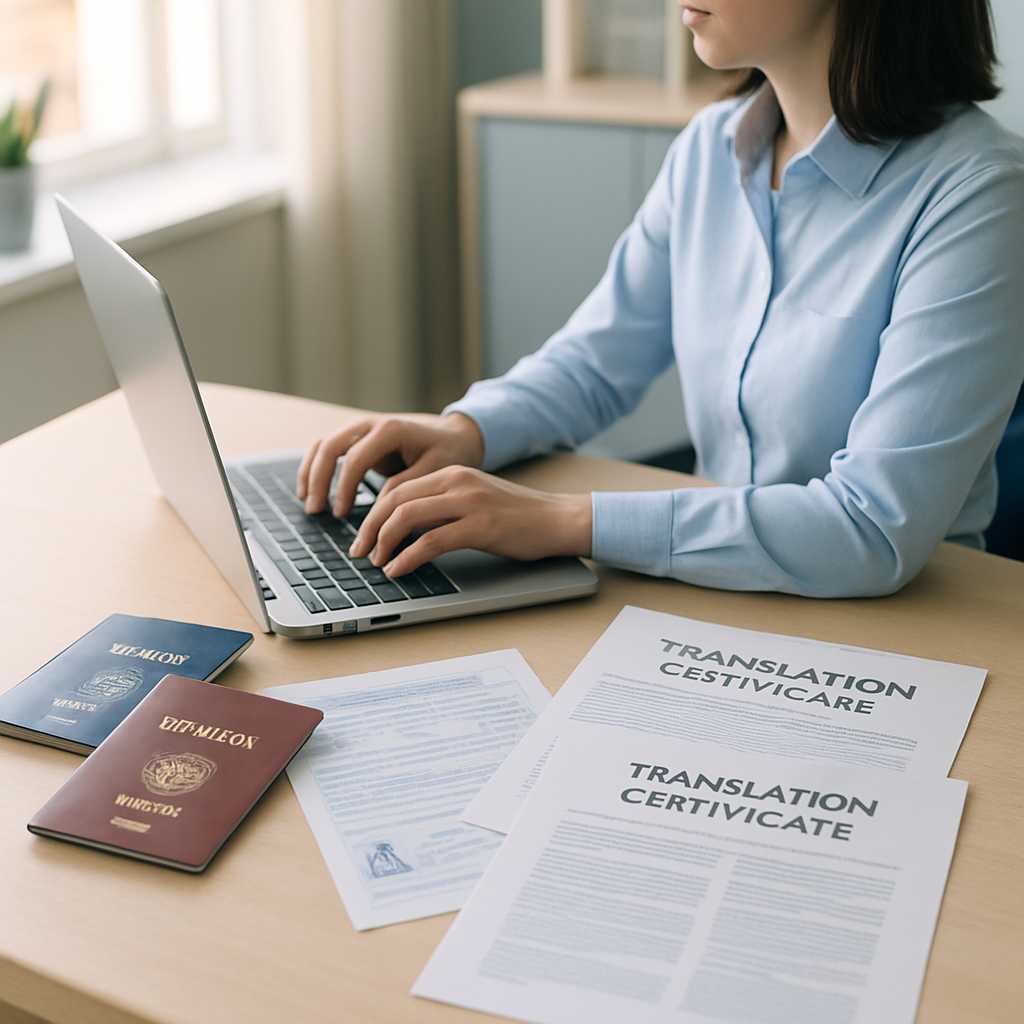
A certified translation will usually come with a signed statement from the translator attesting to the accuracy of the translation and their qualifications. This statement is often required for official submissions.
3. Can I use a free translation service for my Home Office documents?
Free translation services often lack the accuracy and certification needed for official documents. It is advisable to use a professional translation service that meets the Home Office’s requirements.
4. How long does it take to get a document translated?
Turnaround times vary by service and document length. Many services offer expedited options, with some providing same-day translations for urgent requests.
5. What should I do if my translation is rejected?
If your translation is rejected, contact the translation service for clarification. They may offer to revise the translation or provide additional documentation to support your submission.
Conclusion
Choosing the best UK home office translation service is crucial for ensuring that your documents are accurately translated and accepted by the Home Office. By considering the key features outlined in this article, you can make an informed decision that will help facilitate your application process. Don’t hesitate to reach out to trusted services for assistance, and ensure your documents meet all necessary requirements for a smooth submission.